




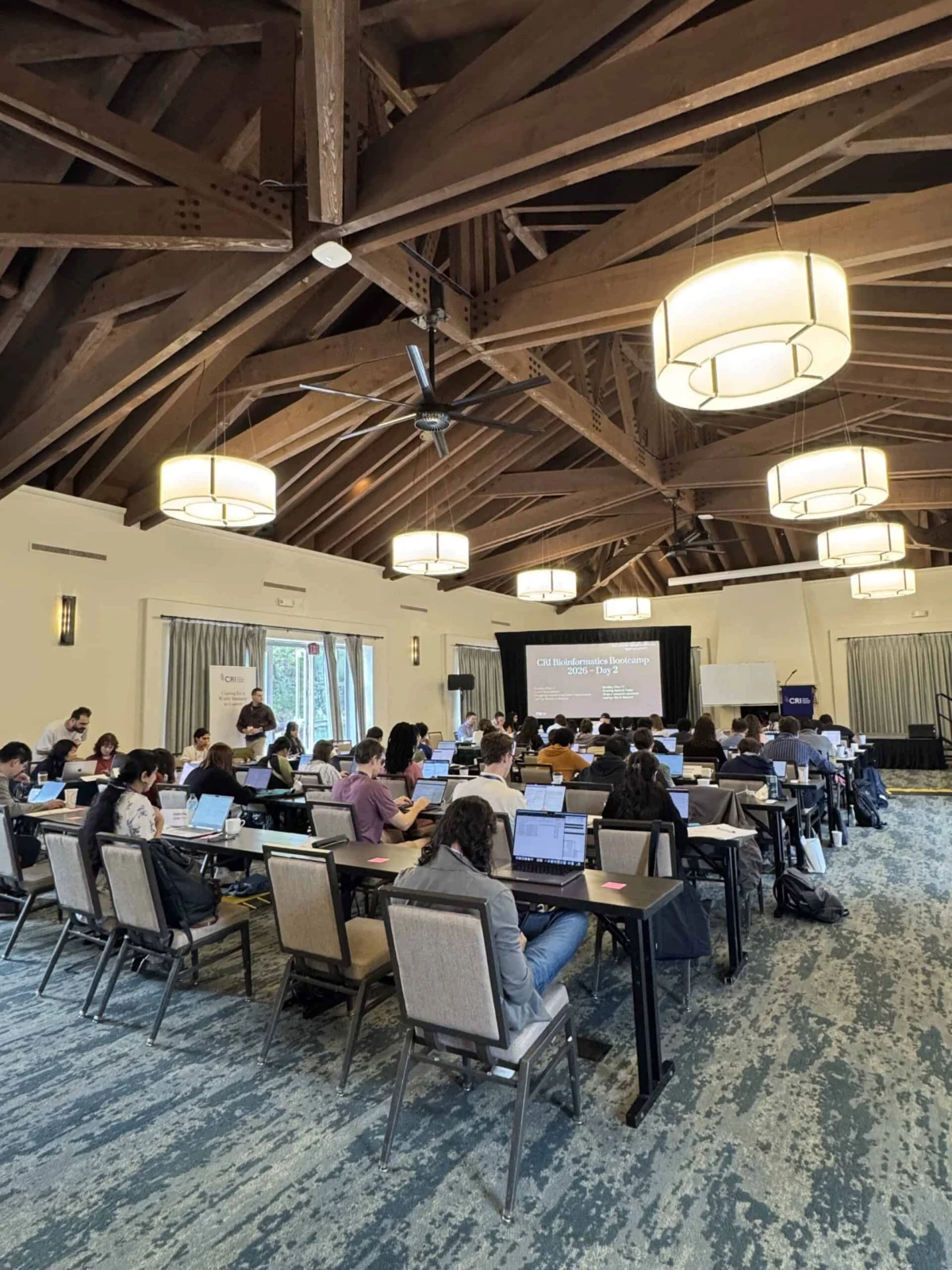
In the rapidly evolving theatre of modern oncology, the boundary between the "wet lab"—where petri dishes and pipettes reign supreme—and the "dry lab"—the domain of algorithms and high-performance computing—is dissolving. As the volume and complexity of biological data explode, the Cancer Research Institute (CRI) has emerged as a vanguard in this transformation. From May 16–22, 2026, the La Cantera Resort in San Antonio, Texas, served as the epicenter for this shift, hosting over 50 early-career scientists for the third annual CRI Bioinformatics Bootcamp, an intensive, immersive training program designed to equip the next generation of cancer immunologists with the computational fluency required to decode the complexities of the human immune system.
The Convergence of Biology and Data Science
The central mission of the CRI Bioinformatics Bootcamp is to bridge the gap between experimental biology and data science. Historically, medical research was largely siloed; a biologist would generate data, and a statistician would analyze it. However, the modern era of high-throughput technologies—such as single-cell RNA sequencing and multi-omic profiling—demands a hybrid researcher.
"The Bootcamp is important because it’s really bridging the gap across two fields of the wet lab and the dry lab," noted Christie Chang, a teaching assistant (TA) at this year’s event. "As technologies are evolving, we’re generating large data sets, and we need computational tools to be able to understand more complex pictures and make more complex discoveries."
This sentiment is echoed throughout the program’s design. By providing hands-on training in next-generation sequencing, data visualization, and computational workflows, the CRI is not merely teaching software; it is teaching a new way of thinking about disease.
A Week in San Antonio: A Chronology of Discovery
The 2026 Bootcamp was structured as a week-long "deep dive," moving participants from foundational programming concepts to advanced analytical techniques.
Days 1–2: Establishing the Computational Foundation
The opening days were dedicated to the fundamentals. Many participants arrived with limited formal computational training, creating an immediate need to demystify the coding environment. Under the guidance of seasoned faculty, attendees navigated the basics of command-line interfaces, R, and Python. The goal was to build a secure foundation, ensuring that participants were not just running "black box" analyses but understanding the underlying logic of their tools.
Days 3–4: Scaling to Complex Data
Mid-week, the curriculum pivoted toward the heart of modern immunotherapy: high-dimensional data. This included workshops on single-cell technologies—a transformative field that allows researchers to view the immune system one cell at a time. Participants worked in small groups to analyze real-world datasets, receiving one-on-one mentorship from five bioinformatics experts, four of whom have been with the program since its inception in 2024.
Days 5–7: Integration and Innovation
The final days were marked by the introduction of specialized "lunch-hour roundtables" and evening sessions. These sessions addressed the "soft skills" of the hard sciences: how to write reproducible code, how to plan bioinformatics-heavy grant applications, and how to navigate career pathways in academia versus industry. The program concluded with an emphasis on artificial intelligence and its responsible integration into scientific workflows.
Faculty Perspectives: Keeping Pace with Innovation
The faculty at the CRI Bioinformatics Bootcamp are not static lecturers; they are active researchers who understand the breakneck speed at which technology advances. Dr. Katie Campbell, a faculty member who has helped shape the curriculum since year one, emphasized that the biggest challenge is maintaining a balance between speed and rigor.
"When we started the bioinformatics bootcamp just three years ago, we really focused on the basics," Dr. Campbell noted. "With the rapid pace of technology, there’s a rapid pace of the tools available. We have to think about how we accelerate not just the discovery but the analysis, without taking away the necessary thought processes that have to be intrinsic to the fellows as they take on this research."
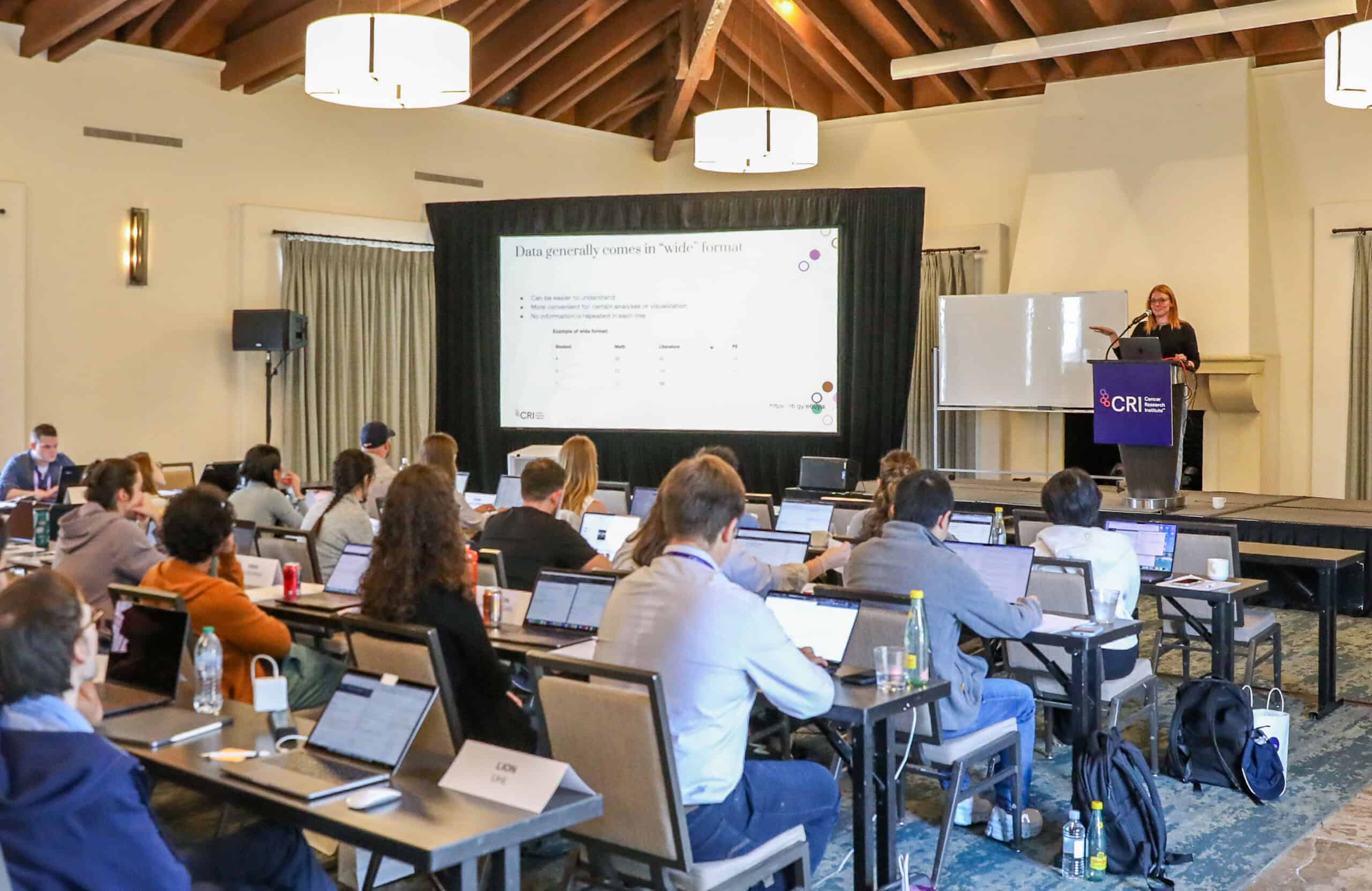
This pedagogical philosophy is supported by a robust ratio of instructors to students. With five expert faculty members and five TAs, the program ensures that every participant receives personalized feedback. Dr. Maryam Pourmaleki, one of the TAs, highlighted that this environment is essential for scientists trained in traditional experimental methods. "Scientists who have phenomenal training in wet lab now need to analyze bigger multimodal data they’re generating, and the Bootcamp is giving those scientists the necessary tools to work with big data," she said.
Supporting Data and Strategic Shifts
The 2026 session marked a significant evolution in the program’s structure. Recognizing that technical skills are only one piece of the puzzle, the CRI introduced new, topic-focused sessions designed to address the professional hurdles of a career in computational biology:
- Computational Career Pathways: Navigating the job market as a dual-trained scientist.
- Coding Reproducibility: A critical focus for modern science, ensuring that datasets can be validated and replicated by peers.
- AI in Research: Dedicated sessions on the ethical and practical applications of machine learning in immunotherapy.
- Grant Planning: Demystifying the financial and structural requirements of data-intensive research.
These additions reflect a broader trend in global medical research: the move toward "Big Data." As the volume of data generated by sequencing centers increases exponentially, the bottleneck in cancer research is no longer data acquisition—it is data interpretation. The Bootcamp’s curriculum is meticulously curated to turn that bottleneck into a gateway for discovery.
Implications for the Future of Immunotherapy
The impact of the CRI Bioinformatics Bootcamp extends far beyond the week in San Antonio. By creating a cohort of computationally literate immunologists, the CRI is effectively building a "human infrastructure" that will support the next decade of cancer breakthroughs.
A Community of Practice
Perhaps the most enduring outcome of the Bootcamp is the network it builds. Participants are not just learning from the faculty; they are learning from one another. This cross-pollination of ideas is vital in a field as diverse as cancer research. As Dr. Tara Muijlwijk, a CRI Dr. Keith Landesman Memorial Fellow, observed, "It’s super important to zoom out from your own research. The Bootcamp is a great way to think about why I am doing this and to connect with other people, which is super important in research."
Moving Beyond the "AI Assistant"
A common theme among the 2026 cohort was the desire for depth over convenience. As AI tools become more prevalent, the risk of "shallow" science increases. Jia Yu (Jennifer) Ye, a CRI Immunoinformatics Postdoctoral Fellow, highlighted the importance of this systemic training: "It’s just such an amazing opportunity offered by CRI to really help learn all of the informatics skills more systematically, rather than just chatting with an AI engine."
Advancing Patient Outcomes
Ultimately, the purpose of this rigorous training is the patient. By empowering researchers to analyze complex datasets, the CRI is accelerating the development of personalized immunotherapies. Whether it is identifying a new tumor-specific antigen or predicting a patient’s response to checkpoint inhibitors, the tools learned at the Bootcamp are directly tied to the ability to extend and save lives. As TA Christie Chang aptly put it: "We’re only learning about cancer because we were able to extend lifespans, and we want to keep extending them. Technology advances so that we can live longer."
Conclusion: An Investment in Scientific Literacy
The Cancer Research Institute’s Bioinformatics Bootcamp is more than a workshop; it is an investment in the future of medical science. By fostering a culture of curiosity, collaboration, and rigorous computational confidence, the CRI is equipping the next generation of scientists to push the boundaries of what is possible.
As we look toward the future, it is clear that the most impactful breakthroughs in oncology will not come from biology or computation alone, but from the intersection of the two. The fellows who gathered in San Antonio this past May represent the vanguard of this interdisciplinary revolution. They leave the program not just with new analytical capabilities, but with the confidence to tackle the most challenging problems in cancer immunotherapy—one line of code, and one breakthrough, at a time.