











For many, walking is an automatic, subconscious act—a simple means of getting from point A to point B. However, for those over the age of 60, the science of human movement tells a different story. Every step is, in fact, a complex, high-stakes single-leg strength test. When you take a stride, your body relies on one leg to bear your entire weight, stabilize your pelvis, roll through the foot, and propel you forward, all while maintaining a delicate equilibrium before the opposite leg takes over.
As we age, the integrity of these mechanics can begin to fray. Muscle mass—specifically in the quads, glutes, and calves—naturally declines, and balance receptors can become less sensitive. The result is often a shorter, more tentative stride and a gradual loss of confidence on uneven terrain. The good news? These physiological shifts are not inevitable, nor are they permanent. By dedicating just 15 minutes a day, three to four times a week, you can "reset" your walking mechanics, leading to a gait that feels smoother, stronger, and significantly more confident.
The Mechanics of a Confident Stride
Walking is fundamentally about force production and weight transfer. When you walk, you are performing a repetitive sequence of movements that require coordinated effort from your lower body. If one link in this chain—such as hip stability or calf power—is weak, your body compensates, often leading to fatigue, joint pain, or an increased risk of trips and falls.
Coaches who specialize in longevity and functional fitness emphasize that the secret to better walking doesn’t lie in logging more miles on the treadmill, but in training the specific positions that occur during every stride. Rising from a chair, navigating stairs, pushing off the ground, and shifting your center of gravity are the "building blocks" of a healthy gait. Strengthening these patterns allows you to walk further and faster without the lingering exhaustion that often plagues aging adults.
A Two-Week Strength Reset
To improve your walking efficiency, you must view your home as your primary training ground. This 15-minute routine is designed to be performed three to four times per week. For the next two weeks, commit to these movements with focus and intent. Keep a sturdy chair, wall, or countertop nearby for balance, and prioritize "clean reps"—movements performed with full range of motion and deliberate control rather than speed.
The Five Pillars of Walking Strength
1. Chair Sit-to-Stand
The sit-to-stand is the ultimate functional movement. It mirrors the mechanics of getting out of a car, rising from a couch, or pushing off the ground during the mid-stance phase of walking. By strengthening your quadriceps, glutes, and hamstrings, you provide your body with the "engine" it needs to power through every step.
- The Science: When you stand from a seated position, you are training your body to generate force through the floor. This exact force is what propels you forward during the push-off phase of a stride.
- The Protocol: Stand in front of a sturdy chair. Keep your feet hip-width apart. Hinge slightly at the hips, keeping your chest tall, and lower your hips until they lightly touch the chair before driving back up through your heels.
- Performance Tip: Ensure your knees track in line with your toes. Avoid "plopping" into the chair; the descent should be as controlled as the ascent.
2. Low Step-Up
Walking often involves navigating slight inclines or steps. The low step-up is unparalleled in building the unilateral (single-leg) strength required to hoist your body weight upward.
- The Science: This exercise specifically targets the quads and calves while forcing the hip stabilizers to engage to keep your pelvis level. By using a low surface (such as the bottom step of a staircase), you minimize strain while maximizing muscle recruitment.
- The Protocol: Place one foot firmly on a low, stable platform. Drive through the heel of the elevated leg to lift your body, bringing the trailing leg up to meet it. Slowly lower yourself back down, using the trailing leg only for light balance support.
- Performance Tip: Keep your torso upright. Do not lean forward excessively, as this shifts the load away from the glutes and onto the lower back.
3. Standing Calf Raise
The calves are often the most overlooked muscle group in walking. Yet, they are responsible for the "final push"—the explosive power that sends you into your next step.
- The Science: Weak calves lead to a "shuffling" gait. Strengthening the gastrocnemius and soleus muscles improves your endurance on hills and provides the ankle stability necessary for walking on uneven surfaces.
- The Protocol: Stand near a wall for support. Rise slowly onto the balls of your feet, pausing at the top for one second, then descend with control until your heels touch the floor.
- Performance Tip: Ensure your weight is distributed evenly across the ball of your foot. Avoid rolling your ankles outward or inward.
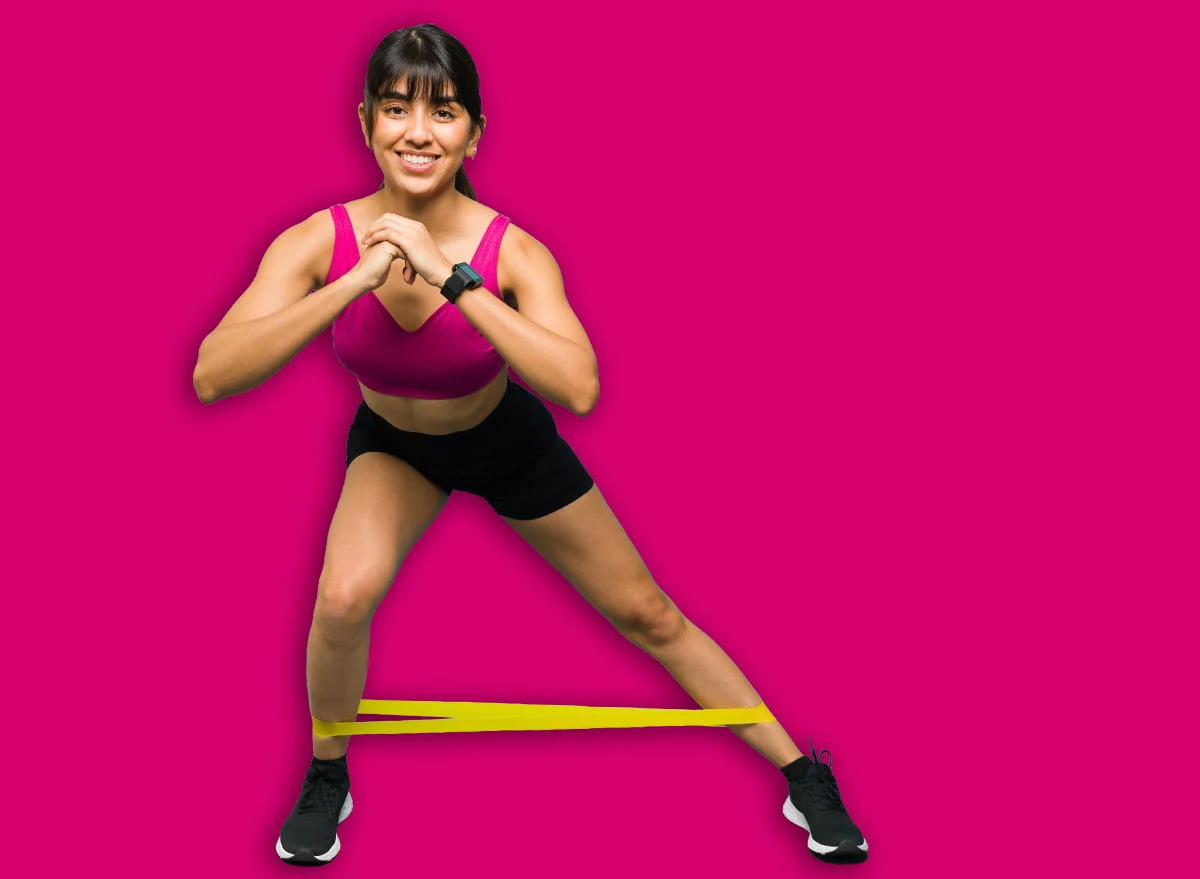
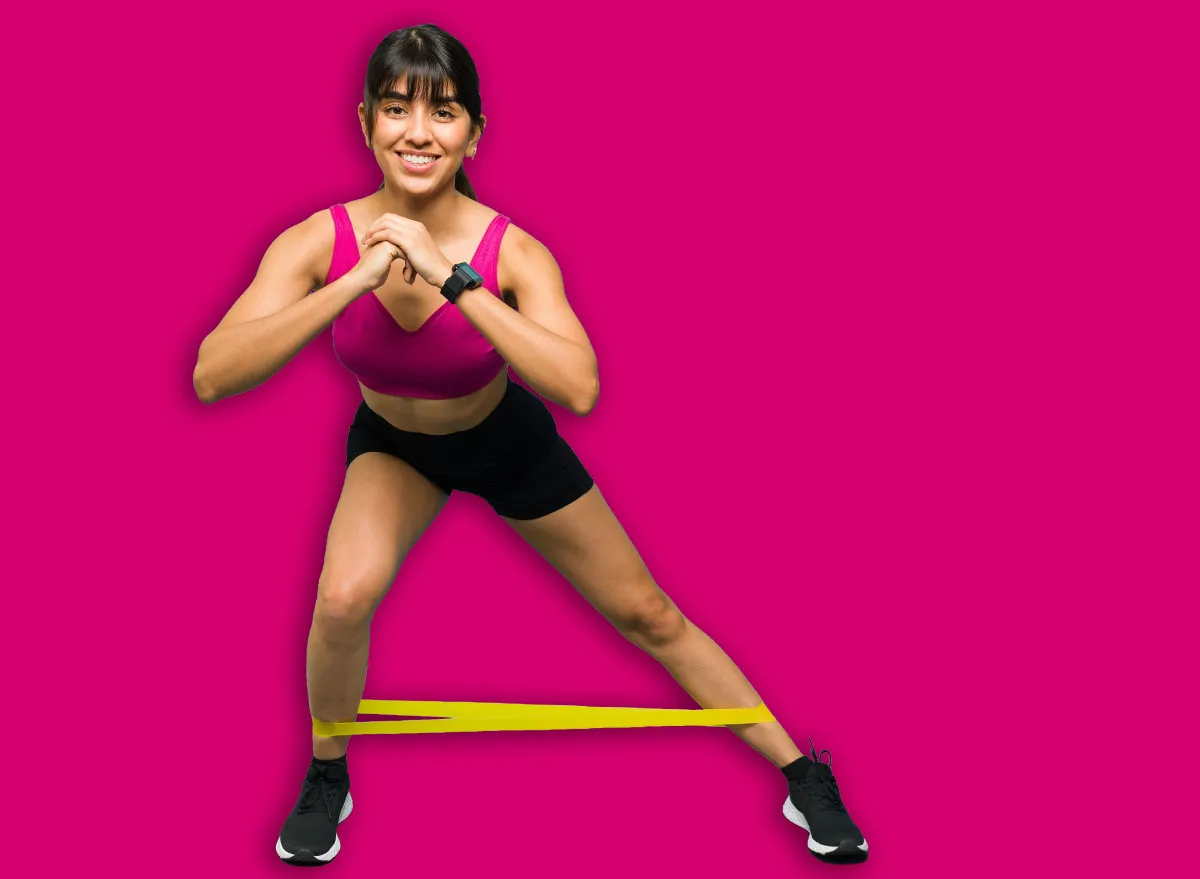
4. Lateral Band Walk
Walking is primarily a forward-moving activity, which can lead to muscle imbalances. The lateral band walk addresses the muscles that most people neglect: the outer hips and glutes.
- The Science: The gluteus medius is critical for pelvic stability. Every time you lift one leg to take a step, the gluteus medius on the standing leg must fire to prevent your hip from dropping. This exercise keeps your pelvis steady, which is the key to a graceful, pain-free stride.
- The Protocol: Place a mini-resistance band around your ankles. Sink into a shallow athletic stance and take small, controlled steps to the side, maintaining tension on the band throughout the movement.
- Performance Tip: Keep your toes pointed forward. If you turn your feet outward, you reduce the effectiveness of the exercise on the target hip muscles.
5. Wall-Supported March with Pause
This is a comprehensive movement that blends balance, hip flexor strength, and core stability.
- The Science: The "pause" is the most important part of this exercise. It forces you to stabilize your body on a single leg, which is the exact scenario you face for a fraction of a second with every single step you take while walking.
- The Protocol: Stand facing a wall with your hands lightly resting against it for balance. Slowly lift one knee toward your chest, pause for two seconds, and return it to the floor. Repeat on the other side.
- Performance Tip: Keep your standing leg straight and "rooted" into the ground. Do not allow your torso to sway; your core should be braced as if preparing for a nudge.
Implications for Long-Term Mobility
The implications of maintaining walking strength after 60 extend far beyond the ability to enjoy a walk in the park. Research consistently indicates that gait speed and balance are among the most reliable predictors of "healthy aging." By investing in these five exercises, you are not just building muscle; you are building an insurance policy against the frailty that often restricts independence in later years.
Data and Clinical Observations
According to longitudinal studies in gerontology, the loss of lower-body power is often the primary driver of the transition from active living to assisted living. The muscle groups targeted in this protocol—the quads, glutes, and calves—are the same muscles that atrophy most rapidly if left untrained. Data from clinical trials suggest that even low-impact, home-based resistance training can improve functional reach and gait velocity by up to 15% within eight weeks.
Professional Guidance and Safety
Before beginning any new exercise routine, it is essential to consult with a primary care physician or a physical therapist, particularly if you have a history of vertigo, joint replacements, or cardiovascular issues. While these exercises are designed to be safe and low-impact, the goal is to challenge your muscles, not your joints. If you feel sharp pain, stop immediately and adjust your form or range of motion.
The Path Forward
The journey to a more confident stride is not a sprint. It is a commitment to the "slow and steady" approach. By mastering the five movements outlined above, you are teaching your nervous system to communicate more effectively with your muscles. Over the course of the next two weeks, you will likely notice that the "effort" required to walk begins to diminish. Your steps will feel lighter, your balance will feel more intuitive, and the fear of a misstep will gradually fade.
Walking is your primary connection to the world around you. By dedicating 15 minutes to your physical foundation, you ensure that your world stays as big, as accessible, and as vibrant as possible, regardless of the number on your birthday cake. Keep your movements intentional, your posture tall, and your goals clear—the road ahead is yours to conquer.