





Introduction
As Mental Health Awareness Month arrives in May, the conversation surrounding brain health has never been more critical. While society has made strides in destigmatizing mental health issues, a profound gap remains in the infrastructure of care for those suffering from severe mental illness (SMI).
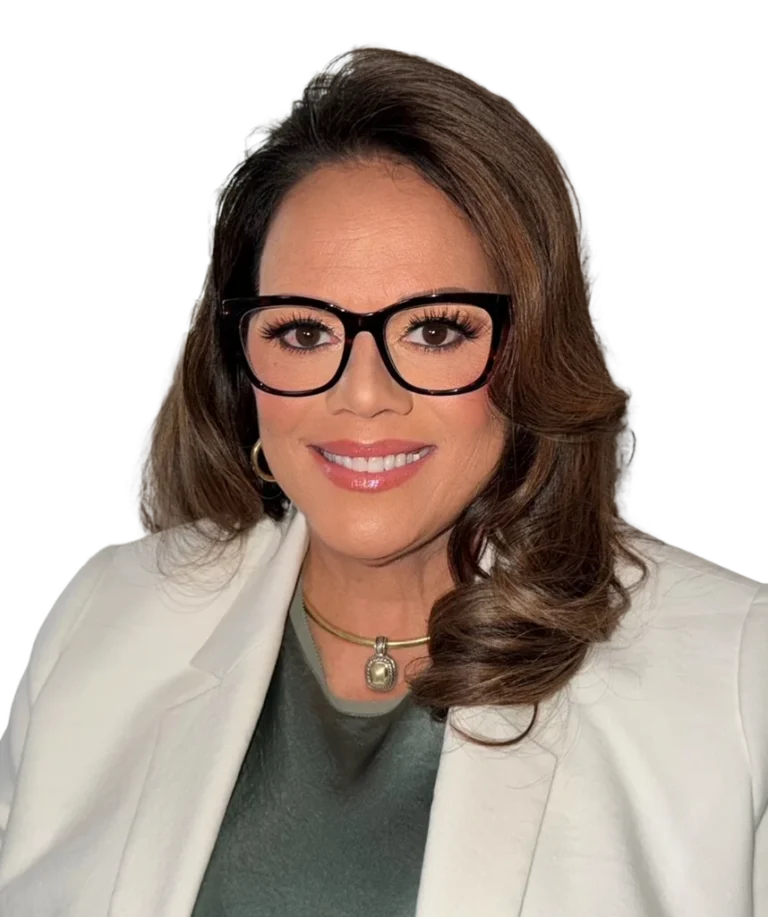
In the latest episode of the "Caregiving Club On Air" podcast (Season 6, Episode 70), host Sherri Snelling—a renowned corporate gerontologist, author, and CEO of the Caregiving Club—sits down with Jerri Clark, Resource and Advocacy Manager for the Treatment Advocacy Center (TAC). Together, they pull back the curtain on the harsh realities faced by families navigating the labyrinth of SMI, a category that includes schizophrenia spectrum disorders and bipolar disorder. Their discussion highlights a staggering reality: while 23.4% of U.S. adults now live with some form of mental illness—a significant rise from the 3–5% prevalence recorded in the 1960s—the systemic support structures for these individuals and their caregivers remain woefully inadequate.
The Escalating Crisis: Main Facts and Figures
The prevalence of mental illness in the United States has undergone a dramatic shift over the last six decades. In the 1960s, clinical diagnosis rates for serious mental health conditions were estimated between 3% and 5%. Today, that number has ballooned to nearly one-quarter of the adult population.
This rise is not merely a result of improved diagnostic tools or a willingness to seek help; it represents a fundamental change in the public health landscape. Despite the increased visibility of mental health in media and pop culture, the "heavy lifting" of caregiving—specifically for those with conditions like schizophrenia or severe bipolar disorder—often falls squarely on the shoulders of family members. These caregivers are frequently tasked with navigating a fragmented healthcare system that is ill-equipped to handle the chronic, complex needs of SMI patients.

Jerri Clark, who brings both professional expertise and personal experience to the table, notes that the current model of care is reactive rather than proactive. Families are often left to manage crises in isolation, leading to caregiver burnout, financial ruin, and the tragic "criminalization" of mental illness, where individuals end up in the judicial system rather than in treatment facilities.
Chronology of Care: From Deinstitutionalization to Modern Advocacy
To understand the current crisis, one must look at the timeline of mental health policy in America.
- The 1960s/70s (The Deinstitutionalization Era): The movement to close large state-run psychiatric hospitals was intended to replace institutional living with community-based care. However, the promised funding for community health centers never materialized to the extent required.
- The 1980s–2000s (The Gap Widens): As institutional beds vanished, the prevalence of homelessness and incarceration among those with untreated SMI skyrocketed. The "revolving door" phenomenon—where patients are stabilized in emergency rooms only to be released back into the same environment—became the standard.
- 2010–Present (The Advocacy Pivot): Organizations like the Treatment Advocacy Center (TAC) emerged to fight for legislative reform, including Assisted Outpatient Treatment (AOT) laws. These laws allow for court-ordered treatment for individuals who are unable to recognize their own need for help due to the nature of their illness (anosognosia).
- 2026 (The Current Landscape): As discussed by Snelling and Clark, the focus has shifted toward integrated care models and recognizing the essential role of the family caregiver. The rise of digital resources and podcasts like "Caregiving Club On Air" signals a new era of information accessibility, though legislative progress remains slow.
Supporting Data: Why the System Is Failing
The statistics presented in the "Caregiving Club On Air" interview underscore a systemic disconnect. When roughly 23% of the adult population is grappling with mental health issues, the burden on the social safety net is immense.
According to data cited by TAC and similar advocacy groups:

- Treatment Gaps: A significant percentage of individuals with SMI do not receive consistent care, leading to frequent emergency psychiatric hospitalizations.
- Economic Impact: The cost to the taxpayer for emergency services, law enforcement intervention, and long-term homelessness far exceeds the cost of proactive, community-based treatment.
- Caregiver Strain: Family caregivers of individuals with SMI report higher levels of physical illness, depression, and social isolation compared to caregivers of elderly relatives with physical ailments. The unpredictability of SMI symptoms creates a "chronic stress" loop that is rarely addressed by standard support programs.
Official Responses: The Role of the Treatment Advocacy Center (TAC)
Jerri Clark’s work at the Treatment Advocacy Center is focused on bridging the divide between clinical needs and legal rights. The TAC operates on the premise that "treatment before tragedy" should be the standard.
In the podcast, Clark explains that the advocacy role is two-fold:
- Legislative Advocacy: Pushing for state-level policies that make it easier for families to intervene before a crisis reaches the level of violence or arrest.
- Direct Support: Providing resources for families who are often told by healthcare providers that they cannot be involved in their loved one’s treatment due to outdated interpretations of privacy laws (such as misapplications of HIPAA).
Clark also highlights her book, "Gone Before Gone: When Mental Illness Steals Someone You Love," which serves as a roadmap for families navigating the grief of losing a loved one to a disease that changes their personality and cognitive function long before they are physically gone.
Implications: The Future of Caregiving
The dialogue between Snelling and Clark carries profound implications for the future of the American healthcare system. If we continue to treat mental health as a secondary issue, the social and economic costs will continue to compound.

1. Integration into General Healthcare
The separation of "mental health" from "physical health" is a false dichotomy. Future policy must prioritize a holistic approach where primary care physicians are trained to recognize and coordinate care for severe mental illnesses.
2. Empowering the Family
Family members are the primary, and often sole, support system for individuals with SMI. Policies must be rewritten to include families in the treatment loop. Without the family’s insight, clinicians are often flying blind, unaware of the patient’s baseline behavior or medication adherence at home.
3. The "Caregiving Club" Model: Education and Community
The success of the "Caregiving Club On Air" podcast, which recently reached #3 in the Feedspot ranking for caregiving podcasts, proves that there is a massive, underserved audience hungry for actionable advice. By moving news segments to a dedicated YouTube channel, the Caregiving Club is formalizing the education of the "Sandwich Generation"—those caring for both aging parents and children, while often navigating their own mental health challenges.
Conclusion: A Call to Action
The crisis of severe mental illness is not a problem that can be solved by clinical practitioners alone. It requires a societal shift that values the input of caregivers, supports legislative changes like AOT, and utilizes educational resources to navigate a complex system.

As Sherri Snelling notes, whether you are a caregiver for an aging parent or a family member supporting someone with a brain disease, the key to survival is information. By utilizing resources like the Treatment Advocacy Center and staying informed through platforms like the "Caregiving Club," caregivers can move from a state of reactive crisis management to a more sustainable, supported, and hopeful journey.
For those looking to deepen their understanding or find support, the following resources are essential:
- Treatment Advocacy Center (TAC): tac.org
- Elder Care Locator: eldercare.gov
- "Gone Before Gone": A critical read for those seeking to understand the emotional landscape of SMI.
- Caregiving Club YouTube Channel: A hub for ongoing education, wellness hacks, and updates on the latest in caregiving research.
By acknowledging the severity of the mental health landscape and leaning into the support of organizations and podcasts that prioritize real-world solutions, we can begin to build a society where no one has to face the "invisible wounds" of mental illness alone.