In an era where the complexities of long-term care, the demands of the "Sandwich Generation," and the logistical hurdles of aging are at the forefront of societal discourse, the concept of "joy" might seem like an elusive luxury. However, as the June episode of the Caregiving Club On Air podcast (Season 6, Episode 71) highlights, finding moments of connection and happiness is not just a nice-to-have—it is a medical and emotional necessity.
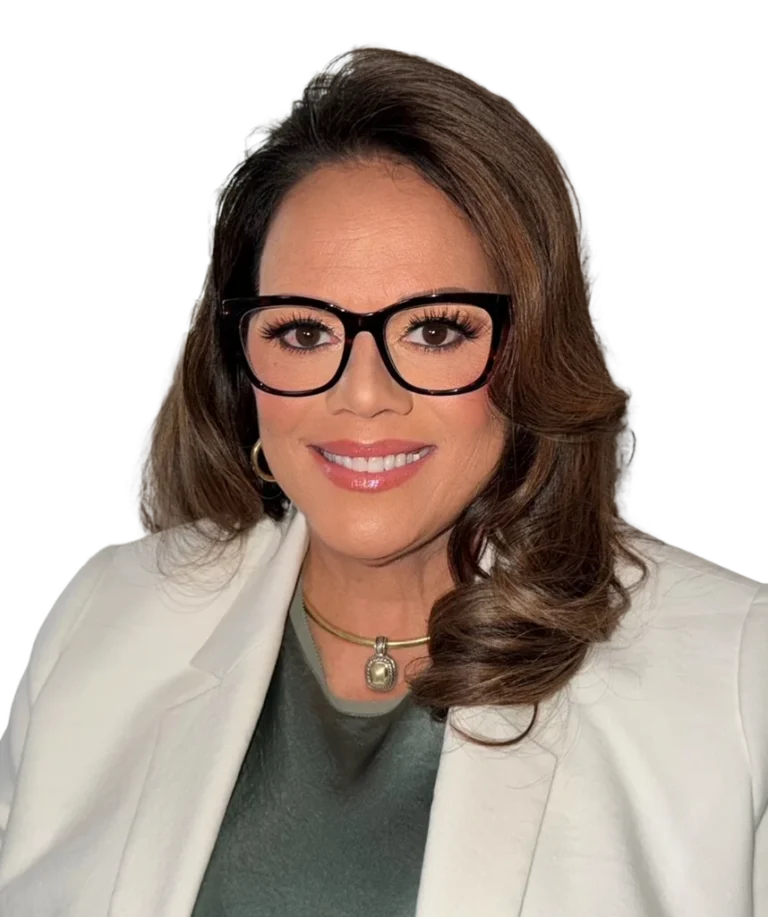
In this landmark episode, host Sherri Snelling sits down with Joni Magnus-Ramsey of Comfort Keepers to discuss the 8th Annual National Day of Joy, celebrated on June 24. This initiative, now a fixture in the home care industry, serves as a poignant reminder that even amidst the physical and emotional challenges of caregiving, the human spirit can thrive.
The Essence of the National Day of Joy
The National Day of Joy, championed by Comfort Keepers, was established to shift the narrative surrounding aging. Rather than focusing solely on the clinical aspects of care—medication management, physical therapy, or safety protocols—the movement emphasizes the importance of "lifting the human spirit."
On June 24, over 100 Comfort Keepers offices nationwide will participate in curated activities designed to foster happiness and meaningful connection between caregivers and their clients. For the elderly, especially those experiencing isolation, these moments of joy can act as a buffer against depression and cognitive decline. For the caregivers, it serves as a vital reset, reminding them that their role is not just about labor, but about human companionship.

The 2026 Survey: A Snapshot of the Aging Experience
The centerpiece of the discussion between Snelling and Magnus-Ramsey is the release of the 2026 National Day of Joy survey. By analyzing data from more than 2,000 family caregivers and older adults, the survey provides a contemporary look at the emotional landscape of modern caregiving.
The results underscore a significant gap between the desire for independence and the reality of aging. While the findings point toward a resilient demographic, they also highlight the increasing necessity for professional support systems that prioritize emotional health alongside physical safety. The data suggests that when caregivers and seniors proactively plan for "joy-centric" care, the quality of life for both parties improves significantly.
Chronology of the Modern Caregiving Crisis
To understand the significance of this year’s National Day of Joy, one must look at the shifting demographic and economic trends that have defined the last decade of caregiving in the United States.
- Early 2020s: The pandemic era brought the fragility of long-term care systems into the light, causing a massive shift in preference toward staying at home rather than entering institutional facilities.
- 2024: Industry experts noted a surge in "Solo Agers"—individuals without children or immediate family support—requiring a pivot in how society manages home care.
- 2025: The Caregiving Club On Air podcast saw a dramatic rise in listenership, reflecting the public’s desperate need for accessible information on home design, respite care, and emotional wellness.
- 2026: The current landscape, where the intersection of "Aging in Place" and "NeuroDesign" (creating home environments that support brain health) has become the gold standard for long-term care.
Supporting Data: The Reality of Aging in Place
The desire to "age in place"—to remain in one’s own home safely and independently—is the overwhelming preference of American seniors. According to AARP data, between 79% and 89% of older Americans want to avoid moving into assisted living facilities. However, the data also reveals a stark reality regarding the feasibility of these goals.
The Home-Care Gap
- The Physical Barrier: According to the Pew Research Center, there are 76 million Americans over the age of 65 living at home. Yet, a vast majority struggle with at least one critical living feature, such as stairs, bathroom accessibility, or lighting, which poses a significant risk to their continued independence.
- The Solo Ager Epidemic: The Mather Institute reports there are approximately 22 million "Solo Agers" in the U.S. These individuals lack the traditional "family caregiver" buffer, making them uniquely vulnerable to isolation and safety lapses.
- Gender and Loneliness: The U.S. Census Bureau highlights that 43% of women over age 75 live alone. This statistic is critical, as it suggests that home care agencies are not merely service providers; they are, in many cases, the primary lifeline for social interaction and safety monitoring.
Official Responses and Industry Shifts
During the interview, Joni Magnus-Ramsey emphasized that home care agencies are evolving. "We are moving away from a ‘task-oriented’ model," Magnus-Ramsey explained. "The modern client doesn’t just need a caregiver to cook or clean; they need a partner who understands how to foster engagement and emotional stability."
This sentiment is echoed across the industry. The shift toward "holistic care" includes the integration of technology, such as smart-home monitoring, and design-based interventions. By modifying homes to be "dementia-friendly" or "biophilic"—incorporating elements of nature—caregivers can reduce the "sundowning" effect in patients with dementia and lower the stress levels of the family caregivers managing the household.
Implications for the Future: A New Era of Support
The implications of these trends are profound. As the population continues to age, the burden on family members—many of whom are in the "Sandwich Generation" caring for both children and aging parents simultaneously—will increase.
1. The Necessity of Respite
The podcast highlights that caregivers often neglect their own health, leading to "caregiver burnout." The resources provided by the Caregiving Club, including the Me Time Monday initiative, are designed to combat this. The core message is that a caregiver cannot pour from an empty cup; respite is not a luxury, but a requirement for sustainable caregiving.

2. The Rise of Educational Content
With the Caregiving Club On Air podcast reaching the #3 spot among caregiving podcasts on Feedspot, it is clear that there is a massive appetite for professional, accessible, and empathetic guidance. The transition of news segments to a dedicated YouTube channel marks a change in how caregivers consume information. They are no longer looking for dry, academic reports; they are seeking dynamic, video-based resources that can be consumed in the "gaps" of their busy days.
3. Redefining the Home Environment
The link between the physical environment and mental health is no longer anecdotal. As discussed in Sherri Snelling’s work on NeuroDesign, the physical layout of a home impacts the cognitive health of an older adult. Simple changes—such as better lighting to reduce falls, or creating "reading nooks" to foster tranquility—are becoming essential tools in the caregiver’s arsenal.
Conclusion: How to Join the Movement
As we approach the 8th Annual National Day of Joy on June 24, the call to action is clear. Whether you are a professional caregiver, a family member, or an older adult, there is a role for you in this movement.
- For Caregivers: Take time to identify one thing that brings joy to your client—a favorite song, a walk in the garden, or an old photograph—and make it a priority on June 24.
- For Families: Utilize resources like the Elder Care Locator (1-800-677-1116) to find support services in your area. You do not have to carry the weight of caregiving alone.
- For the Public: Engage with the Caregiving Club on YouTube, Apple Podcasts, or Spotify. By subscribing, you gain access to a wealth of knowledge on wellness, home design, and the latest in aging-in-place research.
The journey of aging is inevitable, but the experience of that journey is malleable. Through the efforts of organizations like Comfort Keepers and the educational mission of the Caregiving Club, we are moving toward a future where "aging in place" is not just a safety goal, but an opportunity for continued growth, connection, and, most importantly, joy.
Resource Quick-List
- Comfort Keepers: www.comfortkeepers.com
- National Day of Joy Info: comfortkeepers.com/day-of-joy
- Elder Care Locator: eldercare.gov or 1-800-677-1116
- Educational Series: "Self-Care in 7 Minutes" Wellness Hacks Available on YouTube
- Literature: Me Time Monday by Sherri Snelling Available via Caregiving Club