










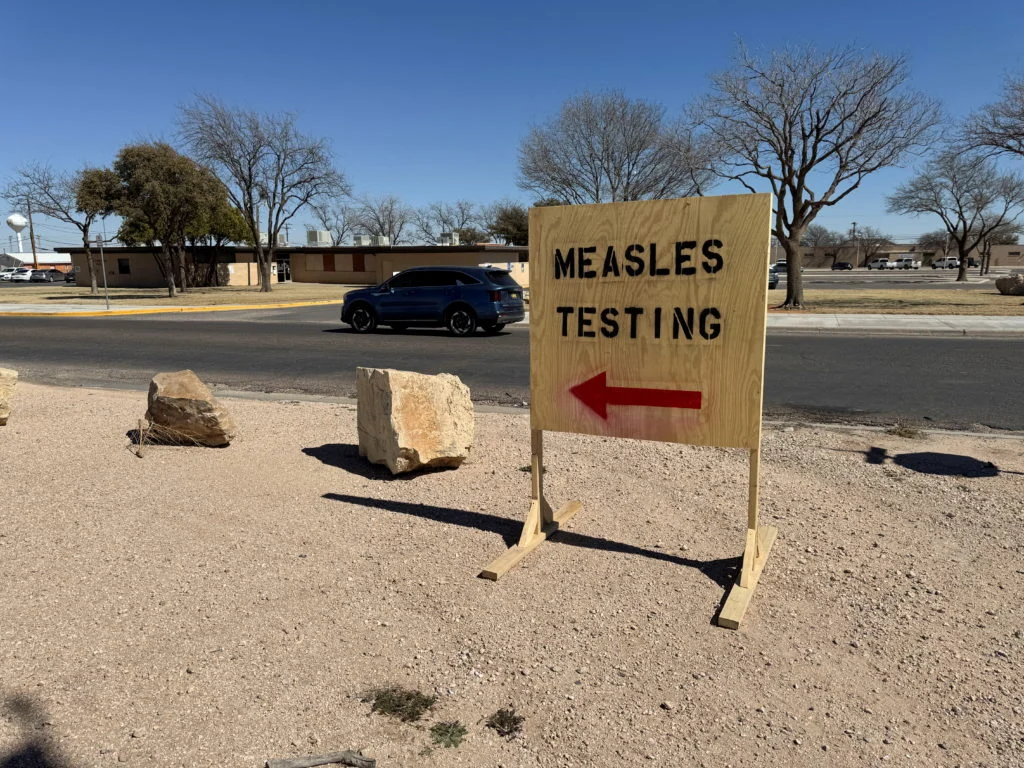
For more than a year, Utah has been locked in a grueling, state-wide struggle against one of the world’s most infectious diseases. Since the first case was identified on June 20, 2025, the state has recorded over 680 confirmed cases of measles, a viral resurgence that has not only strained local healthcare systems but has also placed the United States’ hard-won "measles-free" designation in severe jeopardy.
As public health officials brace for a potential autumn surge, the situation in Utah serves as a cautionary tale of what happens when community immunity slips below critical thresholds. With 22 of the state’s 29 counties reporting cases, the outbreak has proven uniquely difficult to contain, moving beyond isolated clusters to become a persistent, localized threat.
The Chronology of a Public Health Crisis
The timeline of Utah’s outbreak reflects the rapid, opportunistic nature of the measles virus. Following the initial detection in June 2025, the virus found fertile ground in undervaccinated pockets across the state.
By early 2026, the situation escalated significantly. In February, a state high school wrestling championship became a "super-spreader" event. The crowded venue, bringing together students and families from across the region, resulted in at least 46 confirmed infections among attendees. The aftermath of the tournament saw the virus leap from the gymnasiums into classrooms, and subsequently into the households of participants.
The spread has not been limited to schools. The virus has been documented in big-box retail stores, restaurants, and various healthcare settings, underscoring the extreme transmissibility of the pathogen. While transmission rates have shown modest signs of slowing in recent weeks, state epidemiologists warn that this is likely a temporary reprieve. With the academic year resuming and the onset of colder weather—which naturally drives populations indoors—the conditions for a secondary surge are highly favorable.
The Science of the Surge: Why Vaccination Rates Matter
At the heart of the crisis is a mathematical reality: measles requires a 95% vaccination rate to achieve herd immunity. Utah currently falls significantly short of this goal, with approximately 12.8% of kindergarteners across the state missing their measles, mumps, and rubella (MMR) vaccines.
The situation is particularly acute in the state’s rural northeast. The "tri-county" region—consisting of Daggett, Duchesne, and Uintah counties—has experienced one of the most dramatic declines in immunization coverage. Data from the last school year indicates that over 16% of kindergarteners in this region were unvaccinated.
Measles is notoriously relentless. It presents with high fevers, a distinct rash, cough, and in severe cases, complications such as pneumonia, blindness, and encephalitis (brain swelling). While the majority of patients recover, the disease remains lethal for those with compromised immune systems, pregnant individuals, and infants too young to receive the vaccine. Beyond the immediate crisis, medical literature reminds us that measles can leave a lasting, devastating legacy; a rare, fatal degenerative brain disease known as subacute sclerosing panencephalitis (SSPE) can emerge roughly a decade after the initial infection.
Navigating the Culture of Hesitancy
The public health response has been a delicate balancing act between enforcement and community engagement. In the tri-county region, health officials adopted a strategy of transparency and empathy, which they believe prevented an even larger catastrophe.
Cyndie Mattinson, an infectious disease specialist with the TriCounty Health Department, shared a poignant anecdote illustrating the barriers health officials face. A parent, fearful of judgment, initially avoided contact with the department because her children were unvaccinated. When a school nurse acted as a bridge, the mother eventually engaged in a productive, non-confrontational dialogue.
"The perceptions were changed that we weren’t out there to police, we were there to be a help and a resource to the community," Mattinson noted. This approach—focusing on isolation, exclusion of unvaccinated students from in-person learning, and compassionate outreach—is credited with encouraging more families to seek vaccinations, even amidst the peak of the outbreak.
Official Responses and Policy Frictions
The battle against measles has also entered the political arena. Pediatricians, such as Dr. Ellie Brownstein, president-elect of the Utah chapter of the American Academy of Pediatrics, have been at the forefront of the fight. During the height of the crisis, Dr. Brownstein lobbied against proposed legislation that would have simplified the process for obtaining school vaccine waivers. While the bill ultimately failed, the effort underscored the deep-seated cultural and political resistance to vaccination requirements.
State epidemiologist Leisha Nolen remains vigilant. She emphasizes that the current lull is not a sign that the virus has been eradicated. "It’s still here, it’s still transmitting," Nolen said. "We just need those few cases to hit the wrong community and it could flare up really big again."
The lack of a clear "cultural reckoning" regarding the resurgence of preventable diseases is a point of concern for many in the medical community. Dr. Brownstein admits a grim outlook: "I don’t know that we’re going to get this genie back in the box because there’s enough people out there to spread it."
National Implications: A Status at Risk
The situation in Utah is a significant factor in a broader national conversation. The United States is currently evaluating its status as a "measles-free" country—a designation defined by the absence of continuous, year-long spread of the virus within local communities.
As of mid-June 2026, the national case count reached 2,104, placing the country on a trajectory to break previous annual records. In November, an international panel of health experts will convene to determine if the United States and Mexico will lose their elimination status. The loss of this status would be a massive blow to public health, signifying that the virus has once again become endemic to the region. Canada, having already seen its status revoked last year due to ongoing outbreaks, serves as a stark reminder of how quickly these protections can vanish.
Looking Forward: The Path to Stability
As the nation waits for the November assessment, Utah’s experience provides a roadmap for the rest of the country. The outbreak has demonstrated that even in a modern, developed healthcare environment, the resurgence of an old foe is possible when vaccine uptake dips.
The strategy moving forward must involve a multifaceted approach:
- Strengthened Communication: Moving away from punitive measures toward trust-building initiatives that address the root causes of vaccine hesitancy.
- Increased Surveillance: Maintaining high-alert status in schools and community centers, particularly during the transition into winter months.
- Policy Integrity: Protecting current school vaccination requirements from legislative erosion to ensure that herd immunity thresholds are restored.
- Community Protection: Prioritizing the protection of vulnerable populations—specifically infants and the immunocompromised—who rely entirely on the community around them to remain safe.
The "measles-free" status is more than just a bureaucratic label; it is a testament to the success of decades of public health investment and community cooperation. As Utah enters the next phase of its containment efforts, the state and the nation stand at a crossroads. Whether this period is remembered as a temporary setback or the beginning of a new era of endemic disease depends largely on the willingness of the public to embrace the safety and efficacy of the measles vaccine.
For now, the epidemiologists remain in the field, the pediatricians remain in the clinics, and the public remains at risk. The message from the front lines is clear: the virus is waiting for the next opportunity, and the only way to close the door is through science-backed, community-wide immunization.