











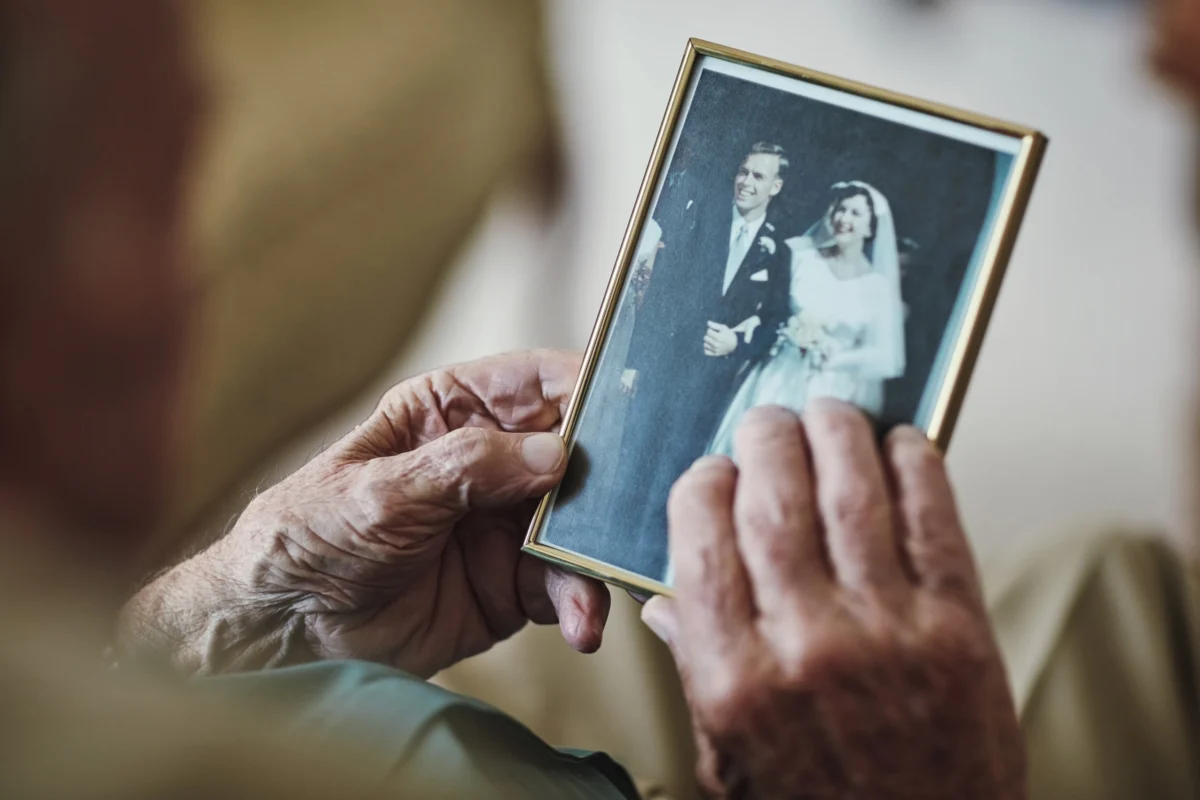
As the calendar turns to May, the public health community observes a poignant intersection of two significant annual observances: Older Americans Month and Mental Health Awareness Month. While these designations serve to celebrate the contributions of our seniors and raise awareness for psychological well-being, they also cast a necessary light on a pervasive, often invisible, public health crisis: chronic loneliness and social isolation among the elderly.
Loneliness is not merely an emotional state; it is a physiological signal. Much like hunger or thirst, it is an evolutionary warning that our fundamental need for human connection is not being met. However, for millions of Americans over the age of 65, this "hunger" for connection has become a permanent state of existence, with profound consequences for both physical and cognitive health.
The Magnitude of the Crisis: Main Facts
According to data synthesized by the National Institute on Aging (NIA), the scale of the issue is staggering. Approximately one in four adults aged 65 and older report experiencing social isolation on a daily basis. This figure is not merely a statistic; it represents a significant shift in the demographics of living and aging in the 21st century.
Loneliness is defined as the subjective feeling of being alone, regardless of the amount of social contact, while social isolation is the objective lack of social ties. Both conditions can coexist, but they are distinct in their impact. The current surge in these issues is driven by a complex web of factors, including the loss of spouses or peers, the geographical dispersion of families, and the digital divide that complicates modern communication.
A Chronology of Declining Connection
To understand how we reached this current crisis point, it is helpful to look at the evolution of the American social landscape over the past few decades.
The Mid-20th Century: Community Integration
For the generation currently entering their 80s and 90s, the "Golden Age" of aging was often characterized by multi-generational households, tight-knit neighborhood communities, and strong civic organizations. Retirement was frequently followed by sustained participation in local church groups, veterans’ associations, or neighborhood clubs.
The Turn of the Century: The Shift Toward Atomization
As we moved into the 2000s, demographic shifts began to take hold. Increased mobility for younger generations—driven by labor market demands—led to the "geographic uncoupling" of families. Children began moving hundreds or thousands of miles away for employment, leaving their parents to navigate the "empty nest" phase without the immediate support of nearby relatives.
2020 and Beyond: The Catalyst
The COVID-19 pandemic served as an accelerant for an existing fire. During the height of the pandemic, social distancing protocols became a matter of survival, but for the elderly, this meant a sudden, total severance of the social interactions that kept them cognitively and emotionally engaged. While the world has since returned to a "new normal," many older adults have struggled to reintegrate into pre-pandemic social circles, leading to a lingering sense of permanent isolation.
Supporting Data: The Biological and Psychological Toll
Loneliness is not a benign emotional state; it is a significant risk factor for morbidity. Research consistently demonstrates that the physiological impact of chronic loneliness is comparable to smoking 15 cigarettes a day.
Physical Health Implications
- Cardiovascular Disease: Studies suggest that socially isolated seniors have a 29% higher risk of heart disease and a 32% higher risk of stroke.
- Immune System Dysfunction: Chronic loneliness is linked to higher levels of systemic inflammation, which can weaken the body’s ability to fight off viral infections and chronic illnesses.
- Increased Mortality: Research published in the Journal of the American Geriatrics Society indicates that social isolation is a strong predictor of premature death, often surpassing the risks associated with obesity.
Cognitive and Mental Health Implications
- Dementia and Alzheimer’s: The relationship between isolation and cognitive decline is bidirectional. Loneliness is associated with a 50% increased risk of developing dementia.
- Depression and Anxiety: The absence of meaningful social feedback loops can trigger profound depressive episodes and heightened generalized anxiety, which are often left untreated in older populations due to barriers in access to mental health services.
The Drivers of Isolation: Why It Happens
The causes of isolation are rarely singular. They are often the result of an accumulation of life changes that diminish an individual’s "social capital."
The Erosion of Physical Mobility
Confidence in one’s ability to navigate the world is the foundation of social independence. When seniors lose the ability to drive or walk safely, their world shrinks to the perimeter of their home. This "mobility threshold" is a major contributor to isolation:
- Driving Cessation: The loss of a driver’s license is often the most significant "tipping point" for social withdrawal. It represents the loss of agency.
- Navigational Anxiety: Cognitive changes, even mild ones, can make navigating public transportation or busy urban environments feel overwhelming, leading seniors to avoid these activities entirely.
- The Built Environment: Poorly designed sidewalks, lack of accessible seating, and public transit systems that are difficult to navigate for those with physical limitations act as structural barriers to participation.
Sensory and Communication Barriers
Communication is the bedrock of connection. The gradual onset of hearing loss or vision impairment can lead seniors to withdraw from conversations because they find the effort of participation exhausting or embarrassing. When a person can no longer easily follow a group conversation, they stop attending the dinner or the meeting, and the cycle of isolation accelerates.
Official Responses and Strategic Interventions
The public health sector, led by organizations like the National Institute on Aging and the Administration for Community Living (ACL), has begun to treat loneliness as a priority policy issue rather than a private, individual struggle.
The National Institute on Aging (NIA) Toolkit
The NIA has developed a comprehensive suite of resources designed to bridge the gap. These tools focus on:
- Technology Adoption: Training older adults to use video-conferencing software, social media, and digital platforms to stay in touch with family members.
- Cognitive Reframing: Providing therapy-based techniques to help seniors identify and challenge the negative thought patterns associated with being alone.
- Community Engagement: Encouraging participation in volunteering and intergenerational programs, which have been shown to provide seniors with a renewed sense of purpose.
The Eldercare Locator
The Eldercare Locator, a public service of the U.S. Administration on Aging, stands as a vital resource for connecting seniors with local community-based services. Whether it is meal delivery programs (which provide a critical daily social touchpoint) or senior center transportation, the directory acts as a bridge to local infrastructure.
Implications: The Path Forward
The implications of ignoring the loneliness epidemic are dire, both for the individual and for the healthcare system at large. An aging population that is isolated is a population that requires more frequent and more expensive acute care interventions.
Moving Toward "Social Prescribing"
A growing movement in medical care is "social prescribing," where doctors go beyond prescribing medication and instead "prescribe" social activities. This might involve referring a patient to a community garden, a reading group, or a specialized exercise program. Integrating social health into standard clinical practice is a vital step toward long-term systemic change.
The Role of Technology
While technology is often cited as a cause of alienation, it is also a potential solution. Designing user-friendly interfaces that prioritize accessibility—larger text, voice-activated commands, and simplified navigation—is essential for ensuring that the elderly can utilize digital tools to maintain their personal networks.
Conclusion: A Call to Action
As we reflect during this month of awareness, we must recognize that the responsibility for addressing loneliness lies not just with the individual or their family, but with the community at large. We must build neighborhoods that are walkable, transit systems that are accessible, and social support systems that reach out to those who have stopped reaching out themselves.
Loneliness is not an inevitable byproduct of aging; it is a structural failure of our modern society to prioritize connection. By validating the experience of those who are lonely and providing the tangible resources to overcome the barriers to socialization, we can ensure that the later years of life are characterized not by isolation, but by continued growth, engagement, and meaningful human connection.
Katie Riley, Vice President of Communications at the Alliance for Aging Research, emphasizes that while the challenge is systemic, the solutions are often found in the small, daily acts of connection that remind our seniors that they are not only remembered but essential members of our collective community.