










In the evolving landscape of neuroscience and geriatric care, one of the most overlooked human senses—our sense of smell—is finally receiving the scientific attention it deserves. As we celebrate Brain Health Awareness Week this March, leading experts are shifting their focus toward "olfactory enrichment" as a powerful, non-invasive tool to combat cognitive decline and improve sleep quality. Among the pioneers in this field is Dr. Michael Leon, Professor Emeritus at the University of California at Irvine (UCI), whose groundbreaking research suggests that the air we breathe may hold the key to a sharper, healthier mind.

The Intersection of Neuroscience and Sensory Perception
For decades, the medical community has recognized that the loss of smell is often an early clinical marker for neurodegenerative diseases like Alzheimer’s and Parkinson’s. However, Dr. Michael Leon and his peers are flipping this narrative. Instead of viewing smell merely as a diagnostic tool, they are investigating how specific olfactory stimulation can act as a "brain gym," strengthening neural pathways and promoting cognitive resilience.

Dr. Leon, a renowned neuroscientist whose career has spanned decades of research into brain disorders—from autism to dementia—posits that our olfactory system is uniquely wired to the brain’s emotional and memory centers. The olfactory bulb has a direct, high-speed connection to the hippocampus and amygdala, regions that are hit hardest by Alzheimer’s disease. By stimulating these pathways with complex, non-toxic scents, researchers have observed a remarkable "neuro-rejuvenation."

Chronology of Discovery: From Lab Bench to Living Room
The journey toward modern olfactory therapy has been marked by significant milestones in sensory science:

- Early Findings: Decades of foundational research established the link between the olfactory bulb and the limbic system, proving that smell is the only sense that bypasses the thalamus to hit the brain’s processing centers directly.
- The 226% Breakthrough: In recent controlled studies, Dr. Leon’s team utilized scent-training protocols to assess cognitive impact. Participants exposed to a varied regimen of scents over several months showed a staggering 226% increase in memory and cognitive performance compared to control groups. This statistic has become a cornerstone for those advocating for sensory-based brain health.
- Commercial Innovation: Recognizing that clinical settings are not enough, Dr. Leon co-created Memory Air, a wellness home device. The objective was to bridge the gap between complex laboratory scent-training and the daily routine of the average person, effectively bringing "neuro-design" into the home environment.
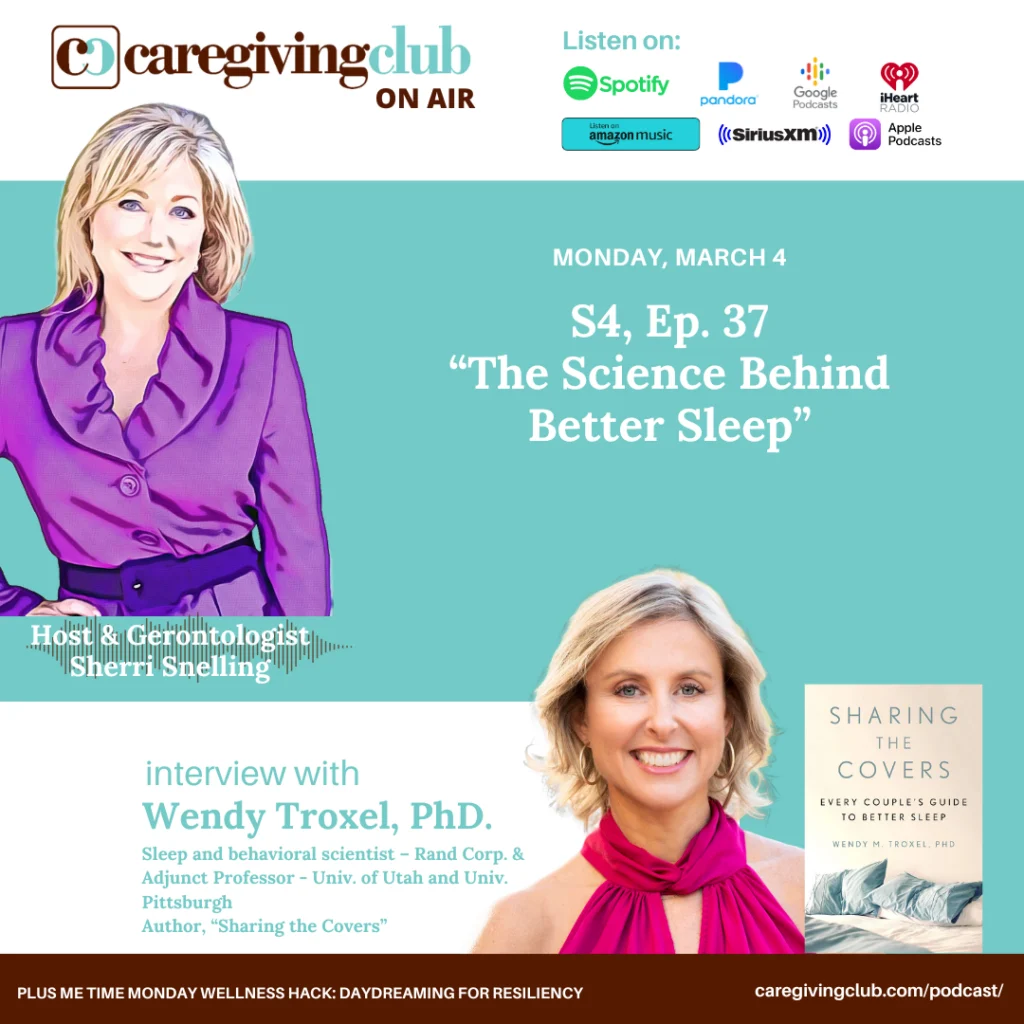
- Integration into Caregiving: As the "Caregiving Club On Air" podcast enters its 6th season, the focus has expanded to translate these findings into actionable advice for family caregivers, who are often on the front lines of managing cognitive decline for loved ones.
Supporting Data: Why Scent Matters
The science behind olfactory enrichment is rooted in the concept of neuroplasticity. As we age, our brains often become less efficient at processing sensory input, which can lead to a decline in neural connectivity. Chronic stress and high levels of oxidative inflammation further accelerate this process.

Research cited during this month’s Brain Health Awareness initiatives indicates that:

- Reduced Inflammation: Targeted aromatherapy can help lower the systemic inflammation associated with oxidative stress, a known catalyst for brain aging.
- The Sleep Connection: Sleep is the brain’s nightly "detox" period. Scents specifically chosen for their calming properties can improve sleep architecture, allowing for deeper restorative cycles. This is crucial for caregivers and patients alike, as sleep deprivation is a major risk factor for Alzheimer’s progression.
- NeuroDesign: The integration of "Well Home Design" (or NeuroDesign) is gaining traction. By modifying our home environments to be more sensory-rich—using scent, lighting, and sound—we create a "supportive scaffolding" for the brain, making it easier to maintain cognitive function in our later years.
Expert Perspective: Dr. Michael Leon on "Memory Air"
Dr. Leon’s work with Memory Air represents a shift in how we view household wellness products. Instead of passive devices, these tools are designed as active interventions.

"The goal is to provide the brain with a rich, complex sensory environment that encourages the strengthening of neural networks," Dr. Leon explains. By automating the release of specific scent profiles, the device allows individuals to experience cognitive stimulation without the need for intensive effort. This is particularly beneficial for those in early-stage cognitive decline who may struggle with complex memory games or intensive physical exercise.

Implications for Caregivers and the "Sandwich Generation"
The implications of this research are profound for the "Sandwich Generation"—those millions of adults simultaneously caring for aging parents and their own children. For these caregivers, time is the scarcest commodity. The move toward "7-minute self-care" solutions, as championed by the Caregiving Club, emphasizes that small, consistent actions are often more effective than infrequent, large-scale efforts.

The MIND Diet and Sensory Health
Concurrent with Brain Health Awareness Week is National Nutrition Month. Experts are increasingly recommending the MIND Diet—a hybrid of the Mediterranean and DASH diets. When paired with sensory enrichment, the results are amplified. The MIND diet, which emphasizes leafy greens, berries, and fish, works to reduce inflammation, while scent-training works to stimulate neural growth. Together, they create a comprehensive strategy for "brain longevity."

The Digital Shift in Caregiver Education
As traditional methods of caregiving education evolve, so too does the delivery of information. The Caregiving Club has successfully transitioned its news segments to YouTube, recognizing that caregivers need accessible, visual, and on-demand resources. By providing "Self-Care in 7 Minutes" videos, the organization is acknowledging the reality of the modern caregiver’s schedule: finding time for a 30-minute meditation or a gym workout is often impossible, but seven minutes of focused, sensory-led self-care is a realistic, achievable goal.

Future Outlook: A Holistic Approach to Cognitive Health
The path forward for brain health is not singular; it is a tapestry woven from diet, sleep, sensory stimulation, and community support. The success of the Caregiving Club On Air podcast, which recently hit the #3 spot on the global list of caregiving podcasts, suggests that there is a massive, underserved audience hungry for science-backed, practical advice.

As we look toward the future, the integration of olfactory technology into smart homes may become as standard as home security systems. Imagine a home that adjusts its scent profile to help you wake up with focus in the morning, stay productive during the day, and drift into a deep, memory-consolidating sleep at night.

For families dealing with Alzheimer’s, this technology offers a glimmer of hope—a way to potentially slow the progression of symptoms and maintain a higher quality of life for longer. While it is not a cure, it is a significant step toward a more compassionate and science-informed approach to aging.

Resources for the Journey
For those interested in exploring these brain health strategies, the following resources are recommended:

- Olfactory Enrichment: Explore the research and technology behind Memory Air for home-based sensory stimulation.
- The MIND Diet: Focus on increasing intake of berries and leafy greens to provide the nutritional foundation for neuroplasticity.
- Educational Platforms: The Caregiving Club YouTube channel offers a library of 52 self-care videos, providing practical "hacks" for everything from digital detoxing to music therapy.
- Professional Support: For those managing dementia, the Elder Care Locator (eldercare.gov) remains the gold standard for finding local resources, respite care, and community support groups.
Final Thoughts
As Dr. Michael Leon’s research continues to demonstrate, our senses are not just gateways to the world; they are the primary architects of our internal reality. By honoring our sense of smell and prioritizing our brain health through small, intentional daily habits, we can do more than just survive the aging process—we can actively shape our cognitive future. This March, let us take the "scent of memory" as a reminder that the brain is a resilient organ, waiting for the right signals to thrive.