WASHINGTON — In a move that signals a seismic shift in federal health policy, the U.S. Food and Drug Administration (FDA) has unveiled the roster for an upcoming advisory panel tasked with evaluating the safety and efficacy of controversial peptide injections. Departing from a long-standing tradition of populating such committees with independent academic researchers and clinicians from prestigious universities, the agency’s new group is heavily weighted with practitioners who hold significant financial interests in the booming, largely unregulated "wellness" market for these chemicals.
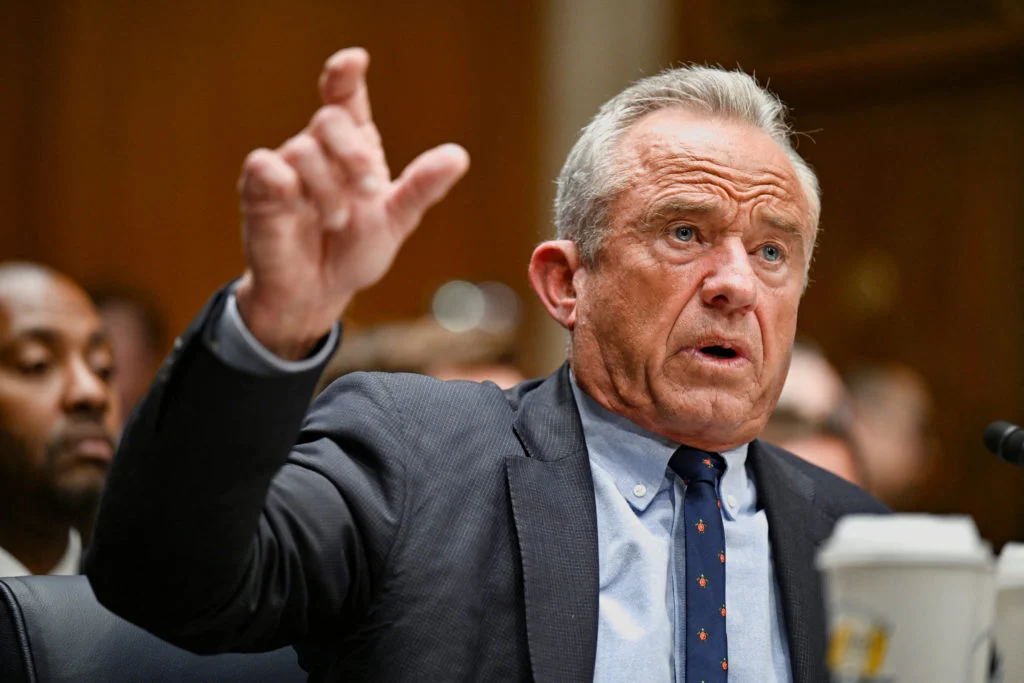
This strategic realignment, slated to take place during a two-day summit next month, is the latest manifestation of the "Make America Healthy Again" (MAHA) movement, championed by Health Secretary Robert F. Kennedy Jr. As the FDA prepares to review seven high-profile peptides—substances currently being sold via online clinics and social media influencers as panaceas for aging, athletic recovery, and muscle growth—critics are sounding the alarm over what they describe as a "regulatory capture" of federal science.
The Evolution of a Wellness Trend
Peptides—short chains of amino acids—have become the latest frontier in the multibillion-dollar wellness industry. Marketed by influencers and wellness clinics as "biohacking" tools, compounds such as BPC-157 and TB-500 are frequently sold under the legal loophole of "for research use only" to bypass federal oversight.
While proponents claim these injections can accelerate healing, boost vitality, and reverse biological aging, the scientific community remains deeply skeptical. There is a dearth of rigorous, peer-reviewed human clinical trials to support these claims. Furthermore, international anti-doping authorities have classified many of these substances as performance-enhancing drugs, noting that their long-term physiological impact remains dangerously opaque.
Historically, the FDA’s Pharmacy Compounding Advisory Committee has served as a firewall, protecting the public from untested substances. Previous iterations of this panel, comprised of experts from institutions such as Harvard, Duke, and Johns Hopkins, have consistently voted against the inclusion of various peptide ingredients in compounded medications, citing insufficient data and unacceptable risk profiles.
A New Guard: The Panelists with Skin in the Game
The upcoming July review marks a radical departure from this precedent. The FDA has appointed over a half-dozen individuals who are not merely experts in the field but are active participants in the commercial trade of these very compounds.
Dr. Haleem Mohammed and the Gameday Model
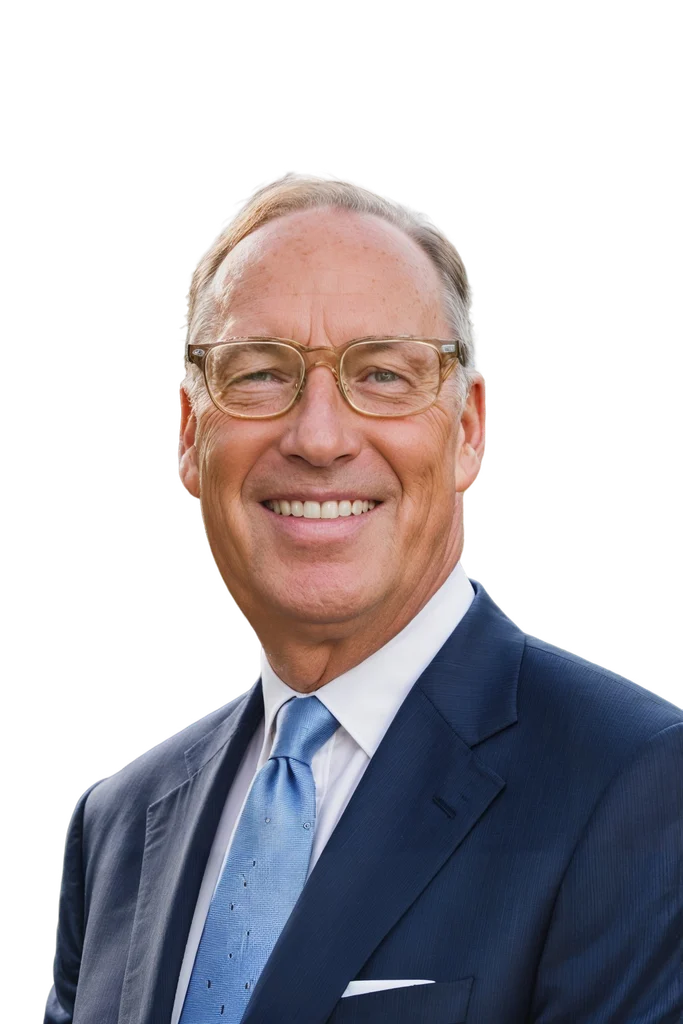
Among the appointees is Dr. Haleem Mohammed, whose Florida-based clinics operate under the banner of "Gameday Men’s Health." The franchise specializes in the administration of testosterone, vitamin infusions, and various peptide therapies. Notably, the company’s own internal disclaimers acknowledge that their offerings are not FDA-approved and that the agency has never verified their safety. Critics argue that having a business owner who profits directly from the sale of these compounds participate in a federal determination of their safety creates an inherent and insurmountable conflict of interest.
The Influence of Social Media
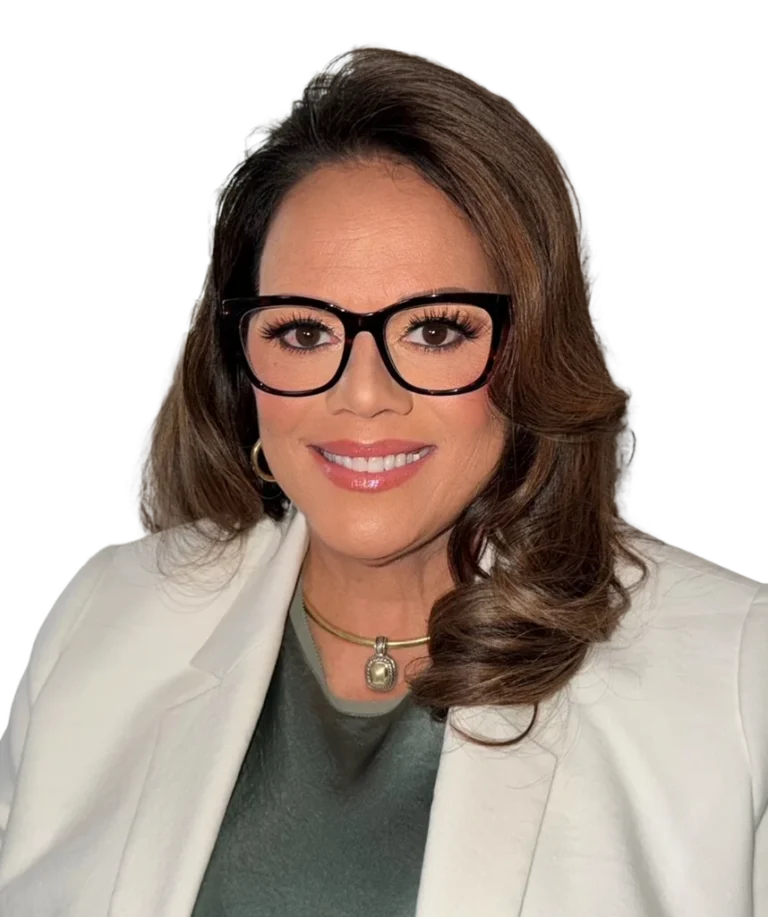
Also joining the panel is Dr. Gabriel Alizaidy, a practitioner who leverages massive followings on Instagram and TikTok to promote "peptide and hormone" consultations. Charging $500 for advice that includes "where to safely get each peptide," Alizaidy’s business model is intrinsically tied to the continued availability of these substances. While his website maintains a legal disclaimer stating his consultations are "educational," his role on an FDA panel effectively elevates a social media promoter to the status of a federal regulator.
The Legislative Connection: The Harshbarger Case
Perhaps the most politically charged appointment is that of Tennessee state senator Bobby Harshbarger. A pharmacist at his family-owned Premiere Pharmacy, Harshbarger represents a family deeply embedded in the intersection of politics and pharmacy. His mother, U.S. Representative Diana Harshbarger, has been a vocal advocate for the deregulation of the peptide industry, having petitioned Secretary Kennedy directly to relax FDA restrictions on these compounds.
The family’s history with the pharmaceutical industry is complex. Rep. Harshbarger’s husband, Robert Harshbarger Jr., was the subject of a high-profile criminal case involving the substitution of an unapproved, illicitly imported drug from China for medications prescribed to vulnerable dialysis patients. Despite his conviction, prison sentence, and the revocation of his pharmacy license, he was pardoned by President Donald Trump last year—a move that has become a flashpoint in the ongoing debate over the influence of the MAHA movement.
Chronology of the "Make America Healthy Again" Regulatory Shift
The inclusion of these panelists is not an isolated incident but part of a broader, year-long effort to dismantle the perceived "entrenched bureaucracy" within federal health agencies.
- Mid-2023: Secretary Kennedy begins to publicly advocate for "alternative" therapies, specifically praising the use of peptides for injury recovery, citing his own personal experience.
- Late 2023: Under the direction of then-Commissioner Marty Makary, the FDA significantly reduced the frequency of advisory committee meetings, citing concerns over "financial conflicts" among traditional academics—a move that critics suggest was designed to bypass expert scrutiny.
- May 2024: Commissioner Marty Makary resigns, having successfully shifted the agency toward more ad hoc, closed-door meetings with "hand-picked" experts who align with the MAHA agenda.
- June 2025: The FDA announces the roster for the upcoming July meeting on peptide compounding, confirming the inclusion of multiple commercial stakeholders.
Implications for Public Safety and Regulatory Integrity
The shift in panel composition raises profound questions regarding the future of drug safety in the United States. Federal transparency rules require that any financial interest held by a panelist must be disclosed. However, critics argue that disclosure is a poor substitute for objectivity.
"When you fill an advisory board with the very people who are selling the products being reviewed, you aren’t conducting a scientific assessment—you’re conducting a marketing meeting," says one public health advocate. "The danger is that these substances, which are currently operating in a legal gray area, will be granted a veneer of federal legitimacy, despite the lack of clinical evidence."
The Erosion of Expert Oversight
The trend of replacing academics with industry advocates is not limited to the peptide issue. Last year’s firing of the entire 17-member CDC vaccine advisory panel—a decision later flagged by a federal judge as potentially violative of established protocols—set a precedent for the current administration’s approach to science-based policy. By prioritizing "movement" loyalty over institutional expertise, the administration is effectively bypassing the peer-review process that has long served as the gold standard for public health decisions.
The Economic Motive
The commercial pressure behind this shift is significant. The wellness industry is currently experiencing a gold rush, with peptides representing a major revenue stream for anti-aging clinics, med-spas, and compounding pharmacies. By pressuring the FDA to "de-list" these substances from the "too risky" category, these clinics stand to see their liability decrease and their market access explode.
Official Responses and the Road Ahead
As of Monday afternoon, Dr. Mohammed and Dr. Alizaidy had not responded to requests for comment regarding their potential conflicts of interest. A spokesperson for the Harshbarger office declined to provide a statement on the senator’s participation in the upcoming panel.
The FDA, meanwhile, continues to maintain that its advisory committees are designed to provide a "broad spectrum of perspectives." Agency officials have previously argued that clinicians who work "on the ground" with patients bring valuable real-world data that academics in ivory towers often overlook. However, this argument does little to assuage the fears of consumer protection groups who point out that "real-world data" from a clinic selling these drugs is fundamentally different from a double-blind, placebo-controlled clinical trial.
As the July meeting approaches, the scientific community is preparing for a showdown. The outcome of this panel will likely set the tone for the FDA’s regulatory stance on all compounded drugs for years to come. If the panel votes to allow the distribution of these unproven peptides, it will signal the end of the agency’s strict gatekeeping role, effectively turning the FDA into an entity that facilitates, rather than regulates, the wellness industry’s most ambitious experiments.
For now, the public is left with a stark choice: trust the traditional, rigorous, and often slow-moving scientific process, or embrace the rapid, industry-led "biohacking" revolution that has found a home within the highest levels of the U.S. government. As the July meeting begins, all eyes will be on whether the panel prioritizes the precautionary principle of medicine—first, do no harm—or the commercial imperatives of the wellness marketplace.