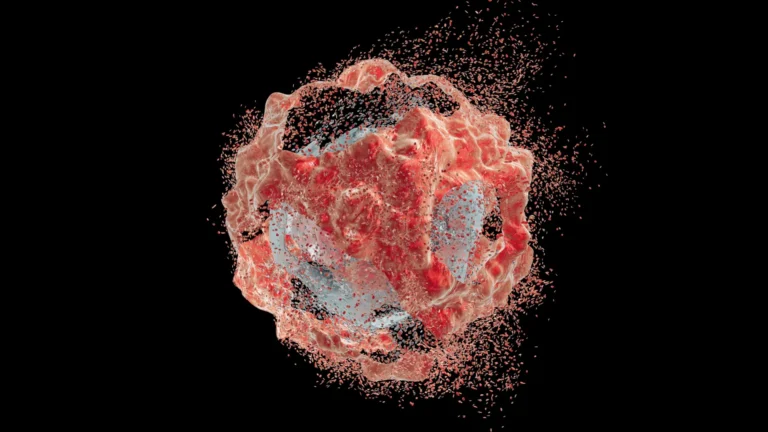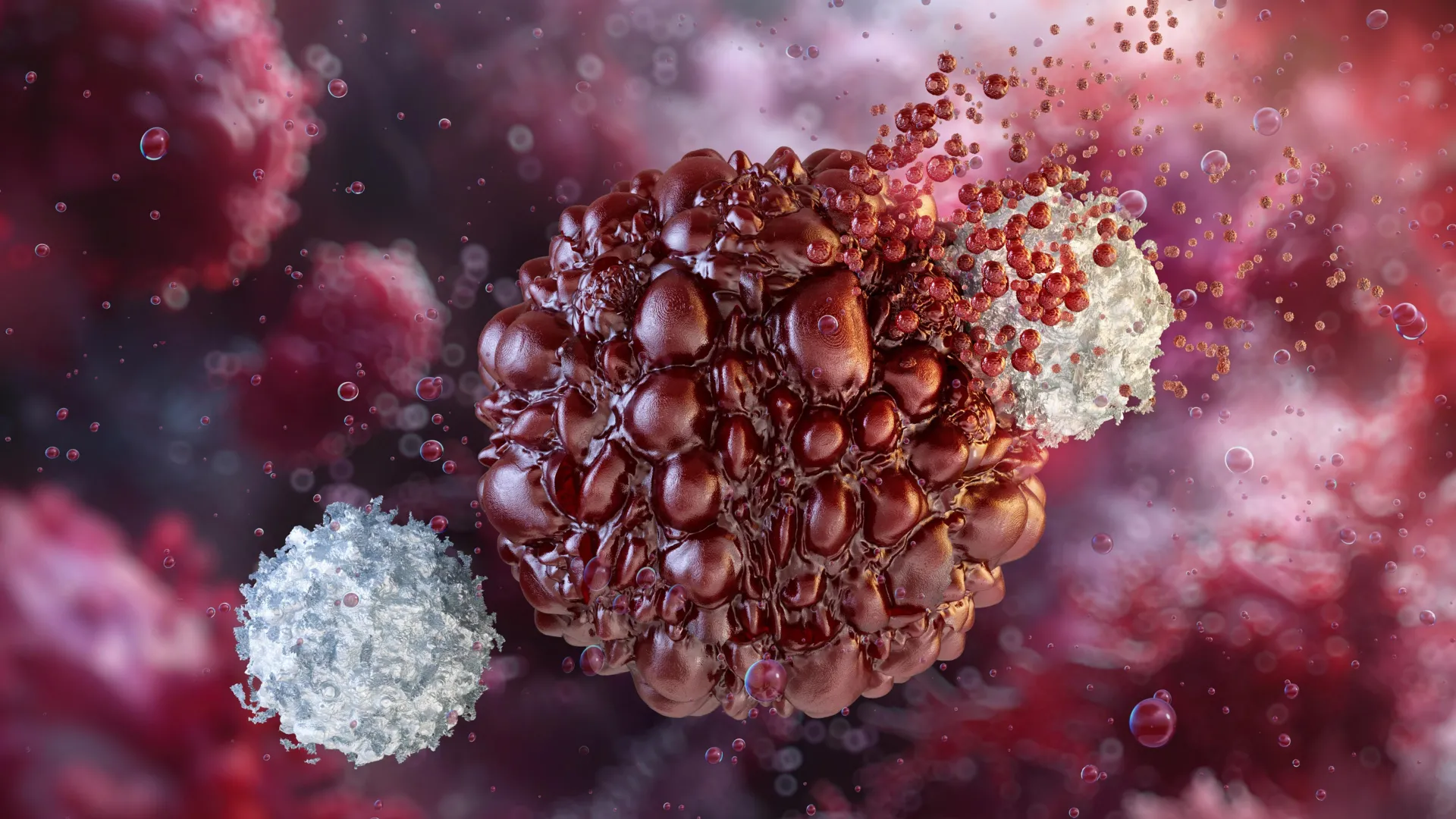
In a landmark study published in the journal Cell, a team of researchers at USC Stem Cell has unveiled a transformative method for generating an expandable, renewable supply of immune cell precursors. This development marks a significant departure from traditional limitations in regenerative medicine, potentially opening a new frontier in the treatment of cancer, infectious diseases, and hereditary immune disorders.
By successfully identifying conditions that allow granulocyte-monocyte progenitors (GMPs) to self-renew—a trait previously thought to be the exclusive domain of hematopoietic stem cells—the researchers have created a scalable platform for cellular immunotherapy. This innovation offers a promising solution to the persistent challenges of durability, scalability, and efficacy that have historically hampered macrophage-based cancer treatments.
The Scientific Context: Why Macrophage Precursors Matter
To understand the magnitude of this breakthrough, one must look at the current landscape of cancer immunotherapy. While T-cell therapies, such as CAR-T, have achieved remarkable success in treating liquid cancers, they have faced significant hurdles when confronted with solid tumors. Macrophages—the immune system’s "big eaters"—are naturally adept at infiltrating tumor microenvironments, consuming malignant cells, and orchestrating broader immune responses.
However, translating these natural abilities into clinical treatments has proven difficult. Mature macrophages are notoriously temperamental: they are challenging to expand in the laboratory, difficult to genetically modify, and prone to rapid degradation during storage or upon introduction into the human body. Furthermore, they often fail to disperse throughout the system, accumulating prematurely in organs like the liver and lungs rather than targeting the site of the disease.
The USC team, led by Dr. Qi-Long Ying, shifted their focus from these fragile mature cells to their developmental precursors: the GMPs. By capturing these cells at an earlier stage of development, the researchers aimed to bypass the limitations of mature cells while retaining the ability to produce functional immune effectors on demand.
A Chronology of Discovery: From Chemical Cocktail to Clinical Potential
The journey to this discovery was rooted in a fundamental question of stem cell biology: could progenitor cells be coaxed into long-term self-renewal?
Phase 1: Breaking the Developmental Barrier
The research began in the Ying Lab at the Keck School of Medicine of USC, where Dr. Shi Yue and colleagues developed a sophisticated, chemically defined medium. This "cocktail" was designed to inhibit the cells’ natural tendency to mature immediately, effectively "locking" them in a state of continuous proliferation. Over an extended period, the researchers observed that these GMPs could divide repeatedly while maintaining their identity and potency.
Phase 2: Independent Validation
Recognizing the necessity for rigorous verification, the team collaborated with the laboratory of Dr. Ravi Majeti at Stanford University. The Stanford team independently reproduced the protocol, confirming that GMPs could be maintained long-term and successfully engineered with chimeric antigen receptors (CARs). This external validation provided the scientific community with increased confidence in the reliability of the platform.
Phase 3: Genetic Engineering and In Vivo Testing
With a stable supply of GMPs secured, the researchers moved to demonstrate their therapeutic potential. They engineered the GMPs to express CARs, which act as "homing beacons" to identify and attack cancer cells. Furthermore, they introduced a second signal—an immune-activating trigger designed to stimulate nearby T cells and bolster the body’s endogenous defenses.
When tested in mouse models of blood and solid tumors, the engineered GMPs demonstrated superior performance. Unlike mature macrophages, these precursors settled into the bone marrow, creating a "factory" that continuously generated fresh, engineered immune cells. This continuous supply effectively circumvented the rapid cell loss that has limited previous clinical trials.
Supporting Data: Scalability and Efficacy
The study’s data highlights three critical advantages of the GMP platform:
- Sustainable Expansion: The ability to grow GMPs indefinitely allows for the production of massive quantities of therapeutic cells from a single donor source, a prerequisite for commercializing any cell-based therapy.
- Universal Applicability: Because the additional immune-activating signal remains effective even in immunologically mismatched scenarios, the platform supports the concept of "off-the-shelf" therapies. This would allow hospitals to stock standardized, pre-engineered treatments rather than requiring months of custom manufacturing for each patient.
- Broad Therapeutic Range: Beyond oncology, the team tested the cells in mice suffering from chronic granulomatous disease (CGD), an inherited condition that leaves patients vulnerable to life-threatening infections. The GMP treatment effectively restored the animals’ immune function, proving that the platform is not restricted to cancer and could treat a wide array of immune-deficiency disorders.
Official Responses and Expert Commentary
The implications of this research have been met with enthusiasm from the medical community, emphasizing the "engineerable" nature of the GMP platform.
Dr. Qi-Long Ying, corresponding author and professor at the Keck School of Medicine of USC:
"The study establishes a scalable and engineerable GMP platform for cellular immunotherapy and introduces concepts that we believe could have broad implications for both cancer immunotherapy and stem cell biology. The prevailing view has been that long-term self-renewal in the blood system is primarily a property of the hematopoietic stem cells. We found that, under the right conditions, GMPs can also self-renew, dividing extensively while keeping their identity and ability to produce functional immune cells."
Dr. Ravi Majeti, Director of the Institute for Stem Cell Biology and Regenerative Medicine at Stanford University:
"This method for the expansion and engineering of GMPs opens the door to numerous translational applications, much like T-cell expansion and engineering. We have already demonstrated engineering of these cells to drive multiple potent functions, and there is a lot more to be explored."
Implications for the Future of Medicine
The USC study represents a paradigm shift in how we approach cell-based therapies. By choosing the "right developmental stage" of the cell, researchers may be able to create treatments that are more durable, more versatile, and more accessible than ever before.
Advancing Solid Tumor Treatment
The most immediate impact may be in the oncology sector. Solid tumors have historically been "cold" to immunotherapy, meaning the immune system struggles to identify and penetrate them. By creating a continuous stream of engineered macrophages that can actively infiltrate these tumors and signal for backup from other immune cells, this technology may turn "cold" tumors "hot," making them susceptible to the patient’s own immune defenses.
Off-the-Shelf Accessibility
The current model for CAR-T therapy is patient-specific—a slow, expensive, and logistically complex process. The move toward "off-the-shelf" GMP products could drastically reduce the cost of treatment and the time between diagnosis and the start of therapy. If these cells can be banked and distributed, it would represent a democratization of advanced cancer care.
Beyond Oncology
The success of the GMP approach in treating chronic granulomatous disease hints at a future where genetic medicine can "reboot" parts of the immune system. Future research will likely explore the use of these cells in autoimmune diseases, chronic inflammatory conditions, and perhaps even in regenerative roles to aid in tissue repair following trauma.
A New Standard in Stem Cell Biology
Finally, the findings challenge the rigid hierarchy of hematopoietic development. By proving that progenitor cells possess latent self-renewal capabilities, the study encourages a re-evaluation of other progenitor populations in the body. This could lead to a wave of discovery focused on "reprogramming" other precursor cells to solve a variety of degenerative and immunological diseases.
Conclusion: A Collaborative Path Forward
The research, titled "Expansion and CAR engineering of granulocyte-monocyte progenitors for cellular immunotherapy," serves as a testament to the power of interdisciplinary collaboration. With contributions from a diverse team of experts from USC, Stanford, Creighton, Harvard, and the Dana-Farber Cancer Institute, the study provides a robust foundation for future clinical trials.
While the researchers note that extensive safety and efficacy trials in humans remain the necessary next steps, the initial data suggests that the "GMP platform" could become a cornerstone of the next generation of immunotherapy. As the field moves toward more sophisticated, synthetic biological solutions, the ability to control and expand the building blocks of the immune system will undoubtedly be viewed as a turning point in modern medicine.
Disclosures: Several authors, including Dr. Ying and Dr. Majeti, are co-founders and equity holders of Myelogene Inc., a company that has licensed the technology described in this study. The research was supported by a coalition of private foundations, including the Chen Yong Foundation, the L.K. Whittier Foundation, and the Eli and Edythe Broad Innovation Award.