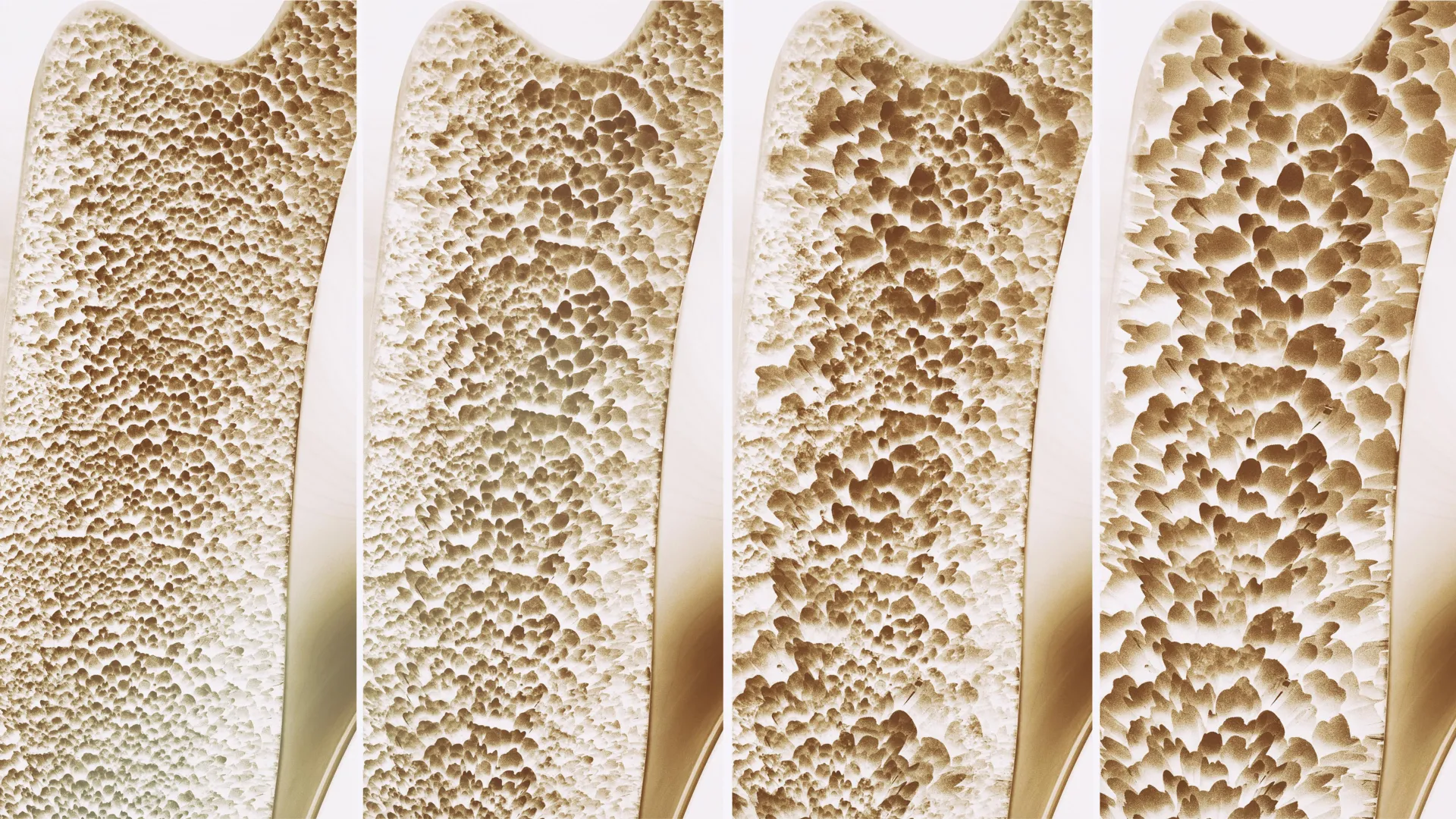
For decades, the standard medical advice for aging populations has been almost ritualistic: "Take your calcium and vitamin D." It is a prescription etched into the minds of seniors, recommended by family physicians, and underscored by decades of public health messaging aimed at curbing the rising tide of hip fractures and debilitating falls. However, a sweeping new meta-analysis published in The BMJ has cast a long, critical shadow over this conventional wisdom, suggesting that for the vast majority of older adults, these supplements offer little to no clinically meaningful protection.
The comprehensive review, which scrutinized data from 69 randomized controlled trials, suggests that the multi-billion-dollar supplement industry—and the clinical guidelines that support it—may be built on a foundation of shaky evidence. As global populations continue to age, the findings force a difficult conversation about how healthcare systems should prioritize preventative care.
The Magnitude of the Fall: A Growing Public Health Crisis
Falls represent one of the most significant, yet often overlooked, threats to the autonomy of the elderly. Statistically, the landscape is sobering: approximately one in three individuals aged 65 and older experiences at least one fall each year. For many, these incidents are not merely inconveniences; they are life-altering events.
The consequences of a fall extend far beyond the immediate trauma. Fractures—particularly of the hip, wrist, or spine—often trigger a cascade of negative health outcomes. These include chronic pain, a permanent loss of mobility, diminished independence, and a severely compromised quality of life. In many instances, a single fall acts as the gateway to long-term residential care, placing an immense emotional burden on families and a staggering financial load on healthcare systems. Given these stakes, the prevention of fractures and falls has long been a primary objective for geriatricians and public health authorities worldwide.
A History of Uncertainty: From Optimism to Skepticism
The skepticism surrounding calcium and vitamin D is not entirely new. While early observational studies once painted these supplements as "magic bullets" for bone density, later, more rigorous trials began to muddy the waters.
For years, clinical researchers have questioned the efficacy of calcium alone, with most studies showing negligible impact on fracture risk. Vitamin D’s role has been equally contentious; while its necessity for calcium absorption is biologically established, its clinical performance in preventing falls has been inconsistent at best. Despite this growing body of doubt, prescriptions for these supplements have continued to climb. Regulatory agencies and professional bodies have remained hesitant to strip these supplements from their recommended regimens, often defaulting to a "better safe than sorry" approach.
The Anatomy of the Study: 153,902 Participants Under the Microscope
To move beyond the noise of smaller, conflicting studies, a Canadian research team embarked on a massive meta-analysis. Their goal was to synthesize data from 69 randomized controlled trials, encompassing a total of 153,902 participants. The sheer scale of this analysis provides a level of statistical power rarely seen in nutritional research.
Methodology and Rigor
The researchers were careful to account for the quality of the underlying data. Each trial was scrutinized using standardized tools to assess potential bias and the strength of the evidence. By establishing clear, quantitative thresholds for what constitutes a "clinically meaningful benefit," the team aimed to strip away statistical significance—which can sometimes be misleading in large datasets—in favor of clinical relevance.
The Verdict: A Lack of Meaningful Benefit
The results were stark. The analysis found little to no reduction in the overall risk of fractures from calcium supplements (moderate certainty evidence), vitamin D supplements (high certainty evidence), or the combination of the two (high certainty evidence).
When the researchers drilled down into specific injury types, the results remained discouraging. Whether the focus was on hip fractures or the incidence of falls themselves, the findings were consistently underwhelming. Across 153,902 participants, the data simply did not support the hypothesis that routine supplementation acts as a protective shield against the injuries that plague the aging population.
Nuance and Limitations: Who Still Needs Supplements?
While the findings are sweeping, the researchers are quick to inject necessary nuance. They acknowledge that their analysis may not capture the needs of specific subpopulations. For instance, the data might not be representative of individuals suffering from severe bone disorders, such as rickets or osteomalacia, nor does it necessarily apply to those already undergoing aggressive pharmacological treatment for osteoporosis.
Furthermore, the researchers performed "subgroup analyses" to see if factors like age, sex, prior history of falls, or even baseline dietary calcium intake changed the outcome. In almost every scenario, the conclusions held firm. The consistency of these results across diverse demographics serves to strengthen the researchers’ confidence in their core finding: that for the average healthy older adult, supplementation provides no significant preventative edge.
Implications for Clinical Practice and Policy
The implications of this study are profound. The authors of the report were unequivocal in their recommendation: the medical community should discontinue the practice of routine supplementation for the sole purpose of preventing falls and fractures.
A Call for Policy Re-evaluation
The authors have issued a direct challenge to professional guidelines and regulatory bodies, urging them to re-evaluate their stance. If the evidence does not support the intervention, they argue, then public health resources currently spent on the widespread promotion and subsidization of these supplements should be redirected toward more effective, evidence-based strategies.
The Shift Toward Proven Interventions
In a linked editorial, independent experts reinforced the study’s conclusions, noting that the "supplementation-first" mentality may be creating a false sense of security. They argue that if we want to truly reduce the incidence of falls, we must move away from the passive act of swallowing a pill and toward the active practice of physical maintenance.
The editorial emphasizes that the most effective strategies are those that address the root causes of falls: muscle weakness, poor balance, and environmental hazards.
The Future of Fall Prevention: Moving Beyond the Pill
If calcium and vitamin D are not the answer, where should the medical community focus its efforts? The consensus is moving rapidly toward multifaceted, personalized intervention programs.
1. Resistance and Strength Training
The most potent defense against fractures is the maintenance of muscle mass and bone density through mechanical loading. Resistance exercise, even when initiated later in life, has been shown to improve bone mineral density and significantly enhance functional strength.
2. Balance and Gait Training
Many falls occur because of a decline in proprioception—the body’s ability to sense its position in space. Targeted balance training, such as Tai Chi or specific physical therapy protocols, has demonstrated clear, measurable benefits in reducing fall frequency.
3. Comprehensive Environmental Assessment
A significant portion of falls occur within the home. Programs that pair clinicians with patients to assess living environments—identifying trip hazards, improving lighting, and installing assistive devices—have shown higher efficacy in preventing injuries than any supplement regimen.
4. Medication Review
Many falls are triggered or exacerbated by "polypharmacy," where older adults are on multiple medications that interact to cause dizziness, hypotension, or sedation. A critical review of a patient’s current drug regimen is often more effective at preventing falls than adding another supplement to the mix.
Conclusion: A New Era for Geriatric Health
The BMJ study serves as a necessary wake-up call. For too long, the medical community has relied on the convenience of supplements to address the complex problem of aging and bone health. While vitamin D and calcium remain vital nutrients for human health, the assumption that they are a prophylactic solution for the structural failures of aging is no longer tenable.
Moving forward, the focus must shift from the supplement bottle to the gym floor, the clinician’s assessment, and the patient’s home environment. By embracing these more rigorous, evidence-based approaches, we can provide older adults with the tools they truly need to maintain their independence and quality of life in their later years. It is time for clinical practice to catch up to the science, ensuring that our recommendations are based on what truly works, rather than what we simply hope is true.