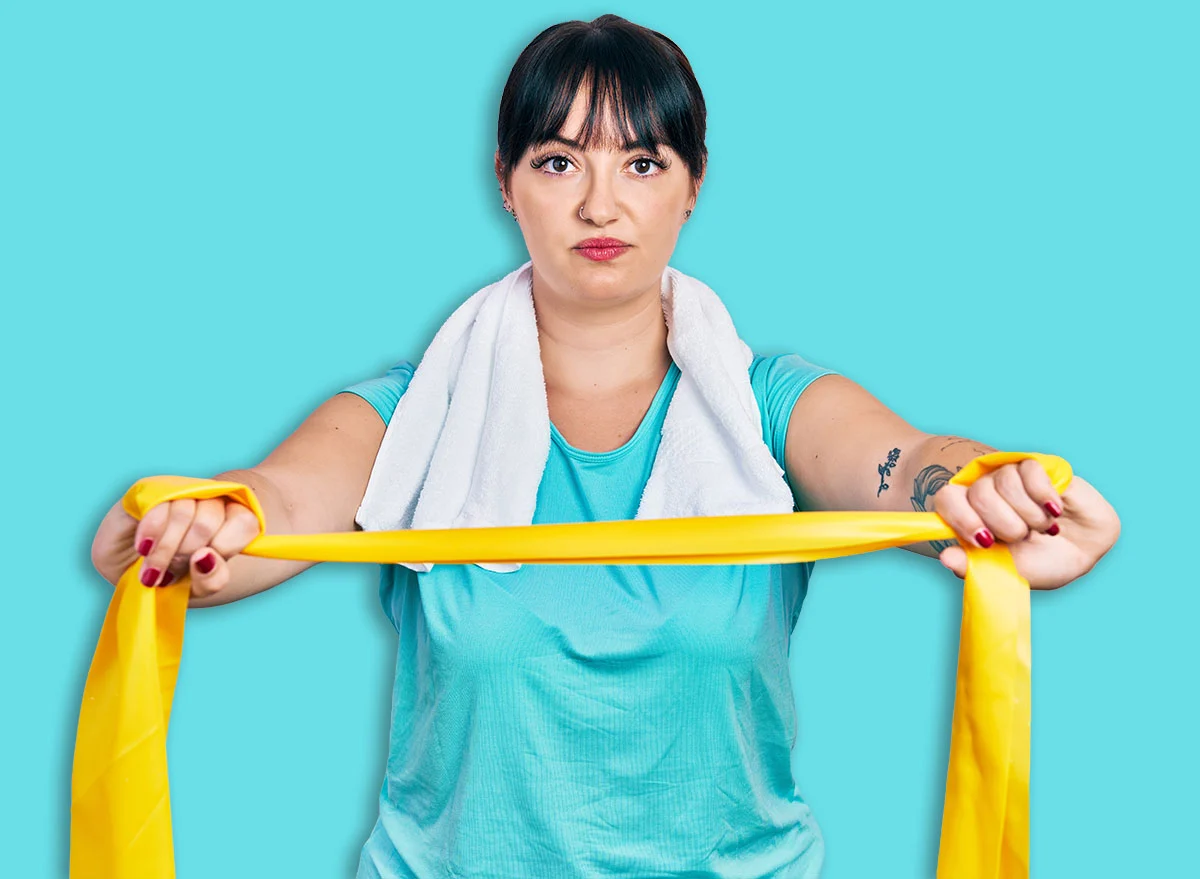
For many, the transition into the seventh decade of life brings a subtle but persistent physical shift: the gradual "drift" of the shoulders forward. What begins as a temporary slump after a long afternoon at a computer or a day of gardening can, over time, become a structural reality. If you find yourself over 60 and feeling that your chest is tight, your upper back is stiff, and your posture is trending toward a permanent hunch, you are not alone.
Modern life is designed to pull us forward. Between the ubiquitous glow of screens, the constant engagement of our hands in front of our bodies, and the sedentary nature of modern leisure, our muscles are being conditioned to remain in a "closed" position. However, this is not an inevitable decline. By integrating specific mobility and strength-based movements, you can reclaim your upright carriage, alleviate discomfort, and move with renewed vitality.
The Physiology of Postural Drift
The phenomenon of rounded shoulders—often referred to in medical literature as "kyphotic posture"—is rarely the result of a single event. Instead, it is the cumulative effect of daily habits. When we spend hours in a seated, forward-leaning position, the muscles of the anterior chain (the chest and front of the shoulders) tighten and shorten. Simultaneously, the muscles of the posterior chain (the upper back and rear shoulders) become chronically lengthened and weakened.
This muscle imbalance creates a "tug-of-war" where the chest is essentially winning, pulling the shoulders out of alignment. For adults over 60, this is compounded by natural changes in bone density and spinal flexibility. To counteract this, a simple "stretch and forget" approach is insufficient. True postural correction requires a dual-pronged strategy: mobility to release the tension and strength to hold the body in a more organized, upright position.
The Strategy: Mobility Meets Strength
When coaching adults over 60, the most successful outcomes arise from a synergy of functional movement. Mobility work provides the "room" for the chest and shoulders to open up, while strength training acts as the "anchor," keeping those muscles organized throughout the day. This combination is far more effective than passive stretching alone because it trains the body to inhabit a better position actively.
1. Wall Angels: Mastering Control
Wall Angels are the gold standard for teaching the body how to move through a full, healthy range of motion without compensating. By using the wall as a tactile guide, you receive immediate feedback on whether your ribs are flaring or your shoulders are shrugging.
- The Science: This movement activates the lower and middle trapezius, as well as the rotator cuff. It forces the muscles of the upper back to work against gravity without the need for heavy resistance.
- How to Perform: Stand with your back flat against a wall, feet a few inches out. Press your elbows and wrists against the wall. Slowly slide your arms upward while maintaining contact with the surface. If your arms leave the wall, stop at that point—that is your current range of motion. Gradually aim to increase this depth over time.
- Recommended Regimen: 3 sets of 8 to 10 reps, with 30–45 seconds of rest between sets. Focus on the quality of the squeeze between your shoulder blades rather than the speed of the movement.
2. Wall Pec Stretch with Reach: Expanding the Front Side
If the shoulders are the anchor, the chest is the chain holding them back. A rounded posture is almost always accompanied by a restricted chest wall.
- The Science: A simple static stretch can be boring and often ineffective. By adding a "reach," we introduce active rotation, which engages the obliques and encourages the thoracic spine—the mid-back—to rotate rather than staying locked in a slump.
- How to Perform: Place your forearm against a doorframe or wall at shoulder height. Step forward slightly with the inside leg, then gently rotate your torso away from the wall. Reach your free arm behind you to accentuate the stretch.
- Recommended Regimen: 2 to 3 sets of 6 to 8 reps per side. Move slowly, breathing deeply into the chest as you rotate.
3. Band Pull-Aparts: Building the Rear Chain
The "Band Pull-Apart" is arguably the most efficient exercise for correcting desk-induced posture. It targets the muscles that are most often neglected during our daily routine.
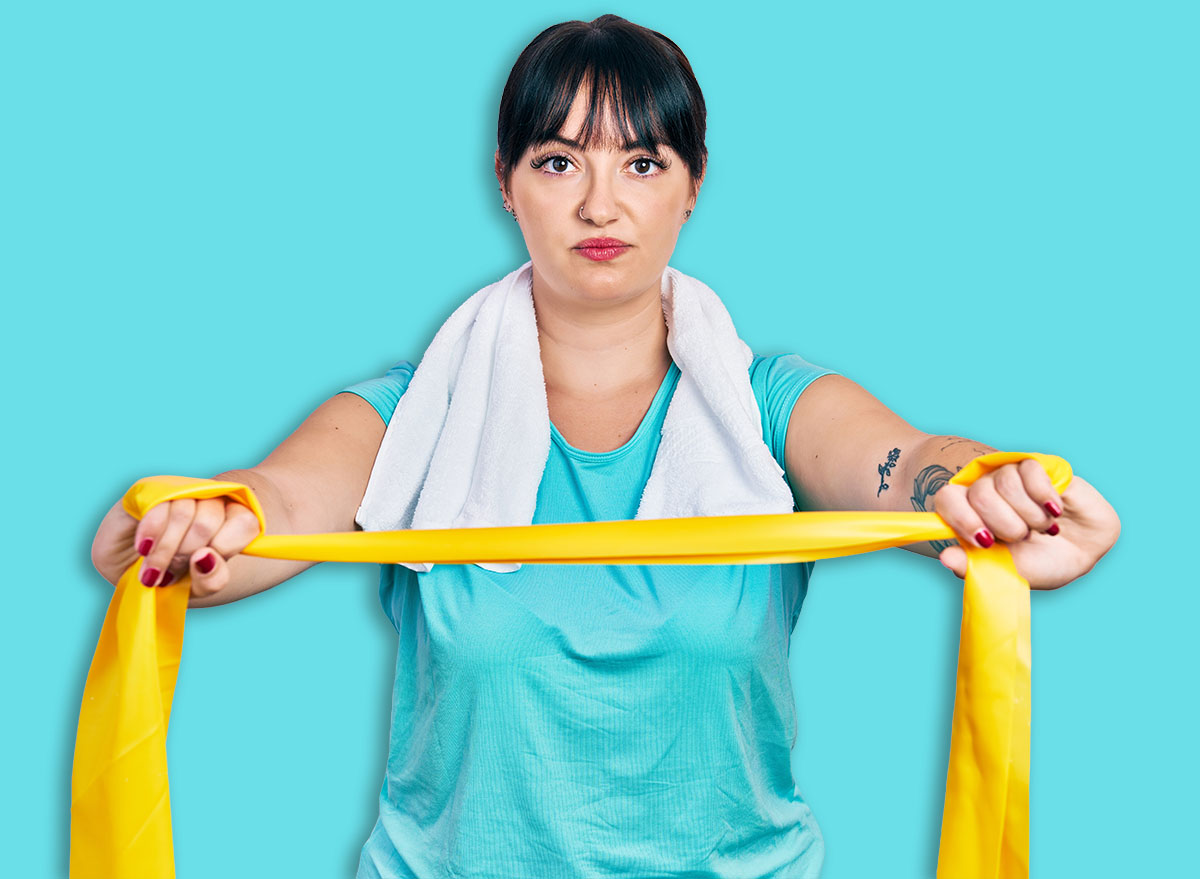
- The Science: This movement directly targets the rhomboids and rear deltoids—the very muscles responsible for retracting the shoulder blades. By strengthening these, you create a "natural corset" for your upper back.
- How to Perform: Hold a light resistance band with both hands, arms extended in front of you. Keeping your elbows slightly soft, pull the band apart until it touches your chest. Focus on squeezing your shoulder blades together like you are trying to crush a walnut between them.
- Recommended Regimen: 3 sets of 12 to 15 reps. Keep your ribs stacked—avoid the temptation to lean backward to complete the movement.
4. Standing Band Face Pulls: Stability in Action
The face pull is a complex, multi-joint movement that trains the rotator cuff to stabilize the shoulder joint while the upper back handles the pulling force.
- The Science: Many injuries in the shoulder occur because the rear muscles are too weak to support the arm’s movement. The Face Pull creates a "pull tall" cue, which is essential for correcting the forward-head posture that often accompanies rounded shoulders.
- How to Perform: Attach a band to a sturdy anchor at chest height. Grasp the band and pull your hands toward your forehead, keeping your elbows high and wide. Imagine pulling your shoulder blades into your back pockets.
- Recommended Regimen: 3 sets of 10 to 12 reps. Use a light band; the goal is control, not heavy load.
5. The Farmer Carry: The Ultimate Posture Finisher
The Farmer Carry is a "foundational" movement that requires your entire body to organize itself under load. It is the ultimate test of functional posture.
- The Science: When you carry weights in your hands, your body is forced to maintain a neutral spine. The core, hips, and upper back must coordinate to prevent you from slouching. It turns a workout into a "walking tall" practice.
- How to Perform: Hold two weights (dumbbells or kettlebells) by your sides. Stand as tall as possible, imagine a string pulling the crown of your head to the ceiling, and walk with purposeful, steady strides. Do not look at your feet.
- Recommended Regimen: 3 sets of 20 to 40 seconds. Focus on keeping your shoulders down and away from your ears throughout the duration of the walk.
Implications for Longevity and Quality of Life
Why does posture matter so much after 60? Beyond the aesthetic desire to stand taller, improved posture is intrinsically linked to respiratory health, balance, and fall prevention.
When the shoulders roll forward and the thoracic spine becomes rigid, the rib cage is compressed. This restricts the diaphragm’s ability to fully expand, which can lead to shallower breathing and reduced oxygen intake. Conversely, opening the chest and strengthening the upper back improves lung capacity and energy levels.
Furthermore, poor posture alters the body’s center of gravity. As we age, maintaining balance becomes critical for independent living. By organizing the shoulders and spine, we align our center of gravity, making us more stable when walking on uneven surfaces and less prone to the "stumble" that often results from a forward-leaning center of mass.
Implementing the Daily "Reset"
Consistency is the secret ingredient. The exercises outlined above are most effective when they are treated as "snacks" rather than a grueling, singular event.
- Morning Wake-Up: Perform one set of Wall Angels before your morning coffee to signal to your body that it is time to be upright.
- Mid-Day Reset: Keep a light resistance band near your desk or favorite chair. Every few hours, perform 10–15 Band Pull-Aparts to "undo" the time spent looking down at a phone or book.
- Evening Wind-Down: Use the Wall Pec Stretch to release the tension of the day before bed. This can actually aid in sleep quality by reducing the tension held in the neck and shoulders.
Conclusion: It is Never Too Late
The narrative that "getting older means getting hunched" is a false one. While our bodies do change, the degree of that change is often dictated by our daily movement patterns. By committing to these five simple, standing exercises, you are not just working out—you are retraining your nervous system to prioritize an upright, open, and confident posture.
Start slow, listen to your body, and remember: progress in posture is measured in millimeters, not miles. Every rep is a step toward a version of yourself that stands a little taller, breathes a little deeper, and moves through the world with the strength and freedom you deserve.