









If you have spent any significant amount of time in the respiratory care field, you understand a fundamental truth: the only constant is change. The landscape of modern medicine is a whirlwind of technological breakthroughs, shifting regulatory frameworks, re-engineered hospital workflows, and an increasingly sophisticated patient population. For the respiratory therapist (RT), the days of relying on a static skill set are long gone. In today’s high-acuity healthcare environment, the mandate is clear: evolve or be left behind.
The modern career path is no longer a linear climb; it is a dynamic process of continuous "upskilling." As healthcare systems move toward more integrated, evidence-based models, the role of the RT is expanding into specialized diagnostics, management, and patient education. Staying relevant in this era requires more than just meeting the minimum requirements for licensure—it demands a proactive, lifelong commitment to professional development.
The Paradigm Shift: Beyond Continuing Education
For many, the term "continuing education" conjures images of annual seminars or online modules strictly designed to satisfy state board requirements. However, health care recruiters and hospital administrators are now looking for something far more substantial. They are scouting for "agile clinicians"—professionals who actively seek out the complex, high-demand skills that solve modern clinical challenges.
Upskilling, in this context, is the intentional acquisition of new competencies that increase your value to your employer and, more importantly, to your patients. It is the transition from a practitioner who simply executes orders to a specialist who functions as a vital, informed member of a multidisciplinary care team.
The Shift Toward Baccalaureate Education
The respiratory therapy profession is currently undergoing a structural evolution. There is a distinct, measurable trend toward a workforce where the bachelor’s degree is becoming the new standard. For therapists eyeing leadership, management, or academic roles, the associate degree—while sufficient for entry-level practice—is increasingly viewed as a starting point rather than a destination.
The academic community has responded to this shift with unprecedented vigor. Across the United States, a plethora of RRT-to-BS programs have been established, many of which are specifically designed for the working professional. These programs often leverage asynchronous, online formats, allowing therapists to balance clinical rotations and shift work with their educational ambitions. For those looking to verify the quality and legitimacy of these pathways, the Commission on Accreditation for Respiratory Care (CoARC) serves as the primary resource for locating accredited, high-quality programs.
Chronology: From Bedside Technician to Clinical Specialist
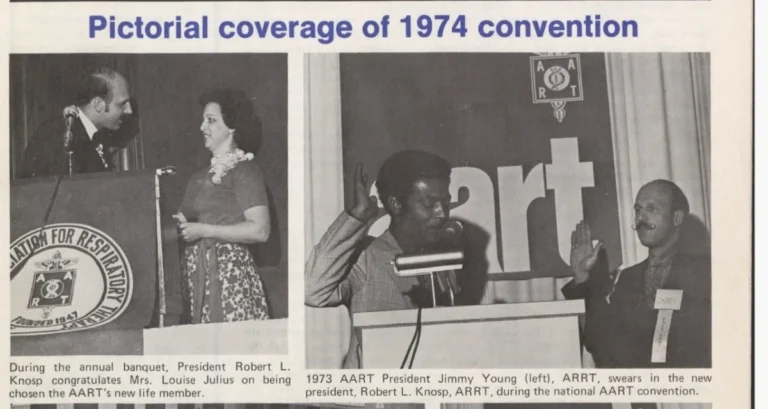
To understand the urgency of upskilling, one must look at the historical trajectory of the profession. Decades ago, the scope of practice for an RT was largely centered on routine oxygen therapy and basic airway management. Training was often centralized, with hospitals acting as the primary educators for new equipment or protocols.
- The 1980s and 90s: The "Departmental Training" Era. RTs primarily learned new skills through on-the-job training provided by the facility. If a new ventilator was purchased, the manufacturer provided a one-day in-service.
- The 2000s: The Rise of Advanced Certifications. The NBRC began to place more emphasis on specialty credentials (PFT, NPS, ACCS). This marked the shift toward validating clinical expertise through formal testing.
- The 2010s to Present: The Digital Transformation. The rise of telehealth, electronic health records (EHR), and sophisticated point-of-care diagnostics has necessitated a higher level of technical literacy. Today’s RT must be as comfortable with data analytics as they are with an endotracheal tube.
This chronology illustrates a move from "reactive training" (learning what you are told to learn) to "proactive upskilling" (pursuing competencies that define your niche).
Supporting Data: The ROI of Upskilling
Why should an RT invest time and money into additional certifications or degrees? The data supports the professional and financial benefits of doing so.
According to various healthcare workforce studies, RTs who hold specialty credentials (such as the ACCS for adult critical care or the NPS for neonatal/pediatric specialists) consistently report higher job satisfaction and lower rates of burnout. This is attributed to a greater sense of agency and specialized knowledge, which allows these clinicians to influence patient outcomes more directly.
Furthermore, salary surveys from major industry associations indicate that hospitals with higher percentages of bachelor-prepared staff and certified specialists often negotiate higher base salaries and offer more opportunities for "clinical ladder" promotions. In a competitive job market, the resume with the specialized credential or the advanced degree is the one that reaches the top of the pile.
Official Perspectives: Industry Leaders Weigh In
Leadership across the American Association for Respiratory Care (AARC) and other national bodies have consistently advocated for "professional agility." The consensus is that the future of respiratory care depends on the ability of the therapist to adapt to the "hospital of the future."
"We are seeing a convergence of technology and patient complexity," notes one industry advocate. "An RT who understands the intricacies of lung-protective ventilation in a clinical research setting is invaluable. That is not something you learn in a standard two-year program. It is something you earn through dedicated upskilling."
Educational leaders emphasize that the barrier to entry for advanced education has never been lower. With the advent of online, distance-learning platforms, the "classroom" is now wherever the therapist has a laptop and a stable internet connection. The focus has moved away from the prestige of the institution to the accreditation of the program and the relevance of the curriculum.
The Practical Roadmap: How to Begin
For the individual RT, the prospect of upskilling can feel overwhelming. The key is to avoid "analysis paralysis" and start with a structured approach.
1. Identify Your Niche
Don’t try to learn everything at once. Are you passionate about neonatology? Pursue the NPS. Do you find yourself gravitating toward the ICU and complex ventilator management? The ACCS is your target. Align your upskilling with your professional passion.
2. Leverage Membership Benefits
As an AARC member, you have access to a repository of resources that are specifically curated for career advancement. This includes webinars, clinical practice guidelines, and networking groups that provide mentorship. These resources are not just "extras"—they are essential tools for navigating the complexities of modern respiratory care.
3. Utilize the "Your RT Career" Portal
The AARC’s Your RT Career web page is a critical starting point. It provides a roadmap for those looking to pivot their career, whether it is moving from the bedside to management, entering the field of education, or exploring the burgeoning world of home care and telehealth.
Implications for the Future of Respiratory Care
What are the long-term implications of this shift? If the profession fails to upskill collectively, there is a risk that the scope of practice will be encroached upon by other disciplines. Conversely, if RTs continue to push the boundaries of their knowledge—by earning bachelor’s degrees, pursuing specialty credentials, and mastering new digital technologies—they solidify their position as indispensable leaders in the respiratory health of the nation.
Upskilling is no longer an optional "extra" to be addressed when time permits. It is the mechanism by which the profession secures its future. It is a commitment to the patient, to the hospital, and to the self.
In conclusion, the path forward is one of deliberate growth. Whether it is through formal degree programs, specialty certifications, or the consistent consumption of professional literature, your commitment to learning will determine your trajectory. The profession will continue to change, and the technology will continue to advance. The question is not whether the field will evolve, but whether you will be the one driving that evolution. Take the initiative today, explore the resources available to you, and build the future you deserve in the vital, life-saving field of respiratory care.