A groundbreaking study conducted by researchers at the Penn State College of Medicine has unveiled a critical intersection between sleep architecture and cardiovascular health. According to findings presented at the SLEEP 2026 conference, the combination of excessive daytime sleepiness and a prolonged time to fall asleep—clinically known as prolonged sleep-onset latency—serves as a potent marker for significantly elevated risks of hypertension.
For millions of adults who struggle to drift off at night only to face exhaustion the following day, these findings offer more than just an explanation for their fatigue; they provide a potential roadmap for early clinical intervention to prevent the development of high blood pressure, a leading precursor to heart disease and stroke.
Main Facts: The Intersection of Fatigue and Hyperarousal
The study, which analyzed data from the Penn State Adult Cohort, highlights that sleep quality is not a singular metric. While researchers have long understood that conditions like obstructive sleep apnea (OSA) contribute to cardiovascular strain, this study isolates a specific "phenotype" of sleep disturbance that appears particularly hazardous.
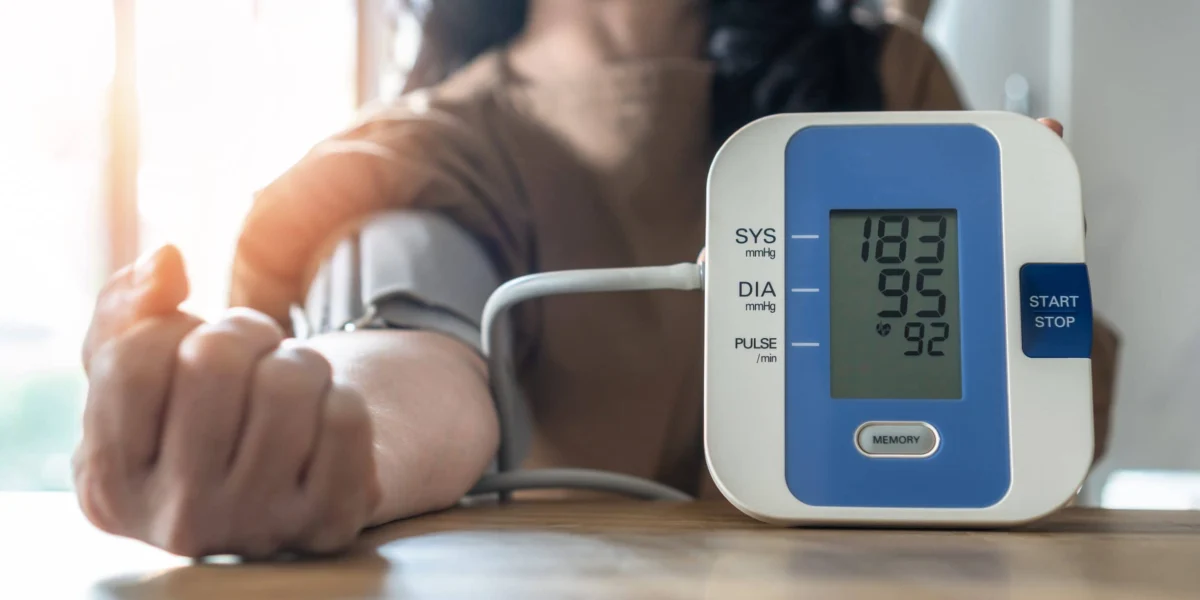
The research established that individuals suffering from excessive daytime sleepiness—defined as moderate-to-severe fatigue or uncontrollable sleep attacks—showed a 52% higher risk of prevalent hypertension and a 74% higher risk of developing incident (new) hypertension compared to their well-rested peers.
However, the risk profile shifts dramatically when sleep-onset latency is factored in. When participants exhibited both daytime sleepiness and took 30 minutes or longer to fall asleep, the odds of prevalent hypertension more than doubled, and the risk of incident hypertension more than tripled. This suggests that the combination of "tiredness" and "hyperarousal" creates a biological environment that is uniquely damaging to cardiovascular health.
Chronology of the Research: From Data Collection to Clinical Insight
The investigation was rooted in a comprehensive longitudinal study involving 1,741 adults. The research team utilized a rigorous, multi-year approach to ensure the data was not merely correlational but reflective of long-term health trends.
The Baseline Phase
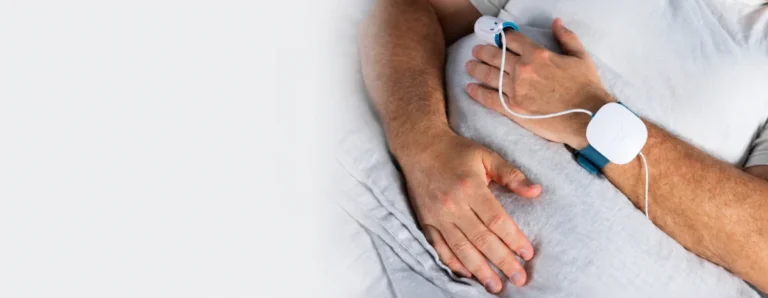
At the outset of the study, researchers performed thorough clinical evaluations on 1,741 participants. Each individual underwent an eight-hour, objective sleep assessment using polysomnography—the gold standard in sleep medicine, which monitors brain waves, oxygen levels, and heart rate throughout the night. By utilizing objective measures rather than relying solely on subjective diaries, the team ensured that the "30-minute threshold" for falling asleep was scientifically validated.
The Longitudinal Follow-up
For the analysis of incident hypertension, the team narrowed their focus to 786 participants who were normotensive (had normal blood pressure) at the start of the study. These individuals were monitored over an average period of 7.5 years. By tracking these participants over nearly a decade, the researchers were able to observe the transition from healthy blood pressure levels to hypertension, effectively isolating sleep patterns as a primary variable in the development of the condition.
The Analytical Framework
The researchers adjusted their findings to account for a wide range of confounding variables, including:
- Demographic factors: Age, sex, and race/ethnicity.
- Lifestyle markers: Smoking habits, caffeine intake, and alcohol consumption.
- Comorbidities: Body mass index (BMI), presence of diabetes, depression, and the severity of sleep apnea.
- Sleep architecture: Total sleep time and wake time after sleep onset.
By controlling for these factors, the team ensured that the increased risk of hypertension was specifically linked to the identified sleep phenotype rather than general lifestyle choices or preexisting conditions like obesity.
Supporting Data: Understanding the "Hyperarousal" Link
The core of the study’s impact lies in the distinction between daytime sleepiness and the inability to fall asleep at night. Traditionally, clinicians have often viewed insomnia and daytime sleepiness as separate issues. This research suggests that when they occur in tandem, they signify a state of "hyperarousal"—a physiological state where the body remains in a high-alert condition even when the person is attempting to rest.
Prolonged sleep-onset latency is often an objective index of this hyperarousal. When an individual takes more than 30 minutes to fall asleep, it suggests that the autonomic nervous system is not properly shifting into the "rest and digest" mode necessary for restorative sleep. This lack of recovery, combined with the stress of daytime sleepiness, creates a sustained elevation in blood pressure that, over years, hardens arteries and forces the heart to work harder.
The study’s data is particularly striking because it demonstrates that these risks are not merely additive; they are multiplicative. Neither symptom, when present in isolation, generated the same alarming statistics as the combined phenotype. This finding suggests that the "combined phenotype" acts as a unique physiological stressor that warrants its own category in cardiovascular risk assessments.
Official Responses and Expert Perspectives
Dr. Alexandros Vgontzas, MD, lead author of the study and professor of psychiatry and director of the Sleep Research and Treatment Center at Penn State College of Medicine, has been vocal about the implications of these findings.
"Adults with excessive daytime sleepiness and prolonged sleep-onset latency appeared to represent a distinct subgroup with significantly greater cardiovascular risk," Dr. Vgontzas noted in a press release. He emphasized that the medical community has historically focused heavily on sleep apnea as the primary sleep-related driver of hypertension. While OSA remains a critical issue, Dr. Vgontzas argues that clinicians must broaden their diagnostic lens.
"These findings suggest that evaluating excessive daytime sleepiness should extend beyond screening for sleep apnea alone," Vgontzas stated. "Assessing nighttime sleep difficulties and objective sleep measures such as prolonged sleep-onset latency may help identify patients with elevated cardiovascular risk and support more targeted treatment approaches."
The consensus among the research team is that sleep medicine is entering a new era of precision. By identifying specific clusters of symptoms, doctors can move away from "one-size-fits-all" sleep hygiene advice and toward clinical interventions that target the specific neurological or systemic causes of hyperarousal.
Implications for Clinical Diagnosis and Public Health
The implications of this research are profound for both patients and healthcare providers. If a simple inquiry about how long it takes to fall asleep can help predict a patient’s risk of developing hypertension, it could revolutionize the way primary care physicians perform wellness checkups.
1. Reimagining the Patient Intake Form
Currently, many medical intake forms ask about "sleep quality" in vague terms. Based on this research, it would be more effective to ask, "Do you experience persistent daytime fatigue?" and "How long does it typically take you to fall asleep at night?" If both answers point toward the high-risk phenotype, providers could initiate proactive blood pressure monitoring and cardiovascular screenings years before the patient becomes hypertensive.
2. A Shift in Treatment Strategy
For patients currently exhibiting this phenotype, the treatment path may need to shift. Traditional sedatives or sleep aids, which may mask the underlying hyperarousal, might not be the answer. Instead, the focus may need to shift toward Cognitive Behavioral Therapy for Insomnia (CBT-I), stress-reduction techniques, and addressing the underlying neurological state of the patient. By calming the nervous system, clinicians may be able to lower the patient’s long-term cardiovascular risk.
3. Broadening Public Health Awareness
Public health initiatives have successfully educated the public on the risks of snoring and sleep apnea. However, the "tired-but-wired" individual—the person who struggles to sleep but remains functional enough to avoid seeking medical help—is often ignored. Raising awareness that this specific pattern is a red flag for heart health is a crucial step in preventing chronic disease.
4. Future Research Directions
The Penn State study opens the door for further exploration into why this specific phenotype leads to hypertension. Does the hyperarousal increase cortisol levels? Is there a neuro-inflammatory component? Future studies will likely look at the hormonal profiles of these patients to determine if specific medications could intervene in the pathway between sleep disturbance and blood pressure elevation.
Conclusion
The Penn State College of Medicine study serves as a stark reminder that our sleep habits are not just lifestyle choices—they are vital indicators of our long-term health. By identifying that the combination of daytime sleepiness and prolonged sleep-onset latency is a significant, independent risk factor for hypertension, the research provides a critical tool for early intervention.
As medical professionals begin to integrate these findings into routine clinical practice, the hope is that we can transition from treating the symptoms of hypertension to addressing the root causes of cardiovascular strain. For the millions of adults currently lying awake in the dark, wondering why they feel so exhausted by day, this study offers a clear message: your sleep patterns are telling a story about your heart, and it is time to start listening.