




The Evolution of Obstructive Sleep Apnea Management
Obstructive Sleep Apnea (OSA) remains one of the most pervasive sleep disorders in modern clinical practice. Characterized by the intermittent collapse of the upper airway during sleep, OSA disrupts the breathing cycle, leading to fragmented sleep, excessive daytime fatigue, and significant long-term cardiovascular and metabolic comorbidities. While Continuous Positive Airway Pressure (CPAP) remains the gold standard for treatment, clinical data consistently shows that patient adherence is a persistent hurdle. Many patients find the noise, physical bulk, and sensation of pressurized air delivery to be intolerable.
In response to these challenges, Bryggs Medical has officially expanded its portfolio of Expiratory Positive Airway Pressure (EPAP) solutions with the launch of the ULTepap 2. This new, prescription-only device represents a significant iterative advancement in portable sleep apnea technology, offering clinicians and patients a more customizable approach to non-invasive airway management.
Main Facts: What is the ULTepap 2?
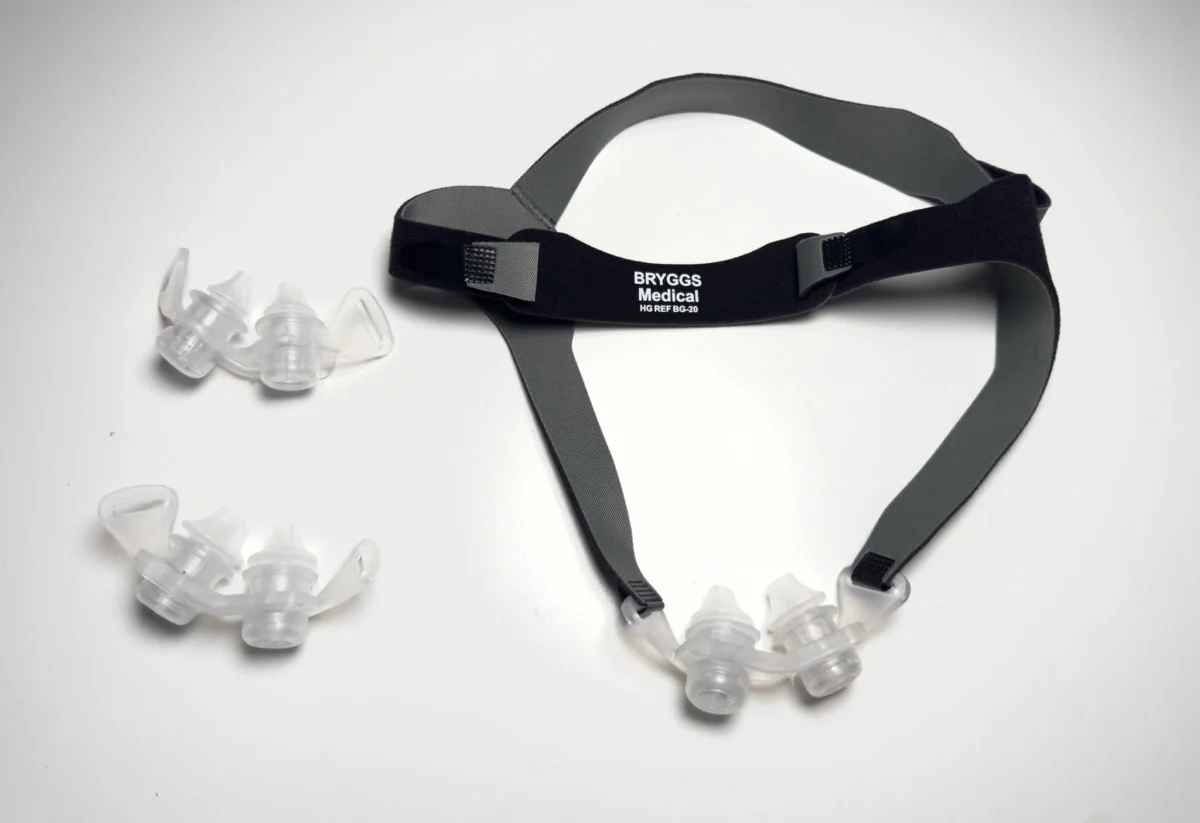
The ULTepap 2 is a compact, reusable, prescription-only EPAP device engineered to stabilize the airway during sleep. Unlike traditional mechanical ventilators, the ULTepap 2 operates entirely without external power sources, tubing, or masks.
Key Technical Specifications:
- Dual-Pressure Modality: The hallmark of the new device is its adjustable resistance. By utilizing modular valve caps, the device can switch between a high-resistance setting (mimicking the original ULTepap’s fixed pressure) and a lower-resistance setting.
- Mechanism of Action: The device leverages the patient’s own respiratory effort. During expiration, the valve system creates backpressure, which acts as a "pneumatic splint" to keep the pharyngeal airway patent. During inhalation, the valve remains open, allowing for unobstructed airflow.
- Material Composition: Constructed with high-grade, biocompatible silicone nasal pillows and durable polycarbonate valves, the device is designed for long-term daily use.
- Durability and Sustainability: Bryggs Medical has backed the device with a three-year warranty on the valve assembly, emphasizing its role as a reusable, cost-effective alternative to disposable sleep therapy products.
Chronology: From Concept to Clinical Application
The development of the ULTepap 2 follows years of clinical feedback regarding the original ULTepap.
- Initial Market Entry: Bryggs Medical initially introduced the ULTepap to provide a discreet alternative for patients with positional or mild OSA. The original model focused on a fixed pressure system, which proved effective for a broad segment of the population but left little room for adjustment in patients who found the initial resistance overwhelming.
- R&D Phase: During the product development cycle, engineers identified that the "one-size-fits-all" pressure approach was a limiting factor for patient comfort. The transition to the ULTepap 2 involved redesigning the valve housing to accommodate removable caps, allowing for dynamic pressure management.
- Regulatory and Clinical Validation: Following rigorous bench testing to ensure the pressure settings remained within therapeutic ranges, the device moved through the necessary regulatory channels to secure its status as a prescription-only medical device.
- Current Release: The launch of the ULTepap 2 signifies a shift in the company’s strategy toward "user-centered" therapy, prioritizing patient compliance through increased comfort without sacrificing clinical efficacy.
Supporting Data: Why EPAP Matters
The clinical utility of EPAP devices is well-documented in sleep medicine literature, though it occupies a distinct niche compared to CPAP.
The Mechanism of Backpressure
EPAP devices function through the creation of a "resistance-based" pneumatic effect. As the patient exhales, the device creates a subtle increase in pressure within the airway. This prevents the tissue collapse that causes the "snoring" and "apnea" events characteristic of OSA. Because the device is passive—meaning it does not "pump" air—it is entirely silent and requires no electricity.
Clinical Efficacy and Patient Tolerance
Studies on EPAP devices indicate that while their primary efficacy may be lower than high-pressure CPAP in cases of severe OSA, they excel in specific populations:
- Mild to Moderate OSA: For patients who do not reach the threshold for intensive CPAP, EPAP provides a meaningful reduction in the Apnea-Hypopnea Index (AHI).
- CPAP Intolerant Patients: A significant percentage of OSA patients abandon CPAP within the first year. EPAP serves as a viable "bridge" or alternative therapy, ensuring these patients are not left untreated.
- Positional OSA: Patients who primarily suffer from apnea while supine (on their back) often find that the low-profile design of an EPAP device is more comfortable for side-sleeping than a bulky mask.
Official Perspectives: The Clinical Implications
The release of the ULTepap 2 has drawn attention from sleep specialists who advocate for a tiered approach to treatment.
"The ability to adjust resistance is a game-changer for the patient experience," noted a representative involved in the device’s development. "Often, a patient is prescribed a device, finds the pressure too high, and stops using it altogether. By allowing the patient to modulate the pressure, we are empowering them to find their own ‘therapeutic sweet spot’—the point where the airway stays open, but the sensation of breathing is comfortable enough to allow for sleep onset."
From a clinical management perspective, the ULTepap 2 allows for a more nuanced prescription. Physicians can now prescribe the device with the knowledge that if the initial pressure is too high, the patient can simply remove the valve caps to reduce resistance, potentially increasing the likelihood of long-term adherence.
Implications: The Future of Portable Sleep Therapy
The introduction of the ULTepap 2 aligns with a broader trend in medical technology: the move toward portability and patient-directed comfort.
Improving Adherence through Design
Adherence is the "Achilles’ heel" of sleep medicine. By removing the need for a hose, a bedside compressor, and a heavy head-strap, the ULTepap 2 eliminates many of the barriers to compliance. This is particularly relevant for travelers or those who find the visual and physical footprint of a CPAP machine stigmatizing.
Limitations and Clinical Oversight
It is critical to note that the ULTepap 2 remains a prescription-only device. This ensures that patients receive a proper sleep study diagnosis before attempting to treat their OSA. Clinicians must determine if a patient’s condition is appropriate for EPAP therapy, as severe OSA often requires the consistent, forced-air support that only a CPAP machine can provide. The ULTepap 2 is not intended to replace CPAP for all patients, but rather to expand the therapeutic toolkit available to sleep specialists.
A Sustainable Model
The decision to provide a three-year warranty on the valves is a strategic move that addresses the high turnover of sleep therapy equipment. In an industry dominated by disposable filters, masks, and tubing, the reusable nature of the ULTepap 2 offers a more sustainable, and potentially more cost-effective, long-term solution for patients managing chronic OSA.
Conclusion
The ULTepap 2 represents a thoughtful evolution in the treatment of obstructive sleep apnea. By combining the proven mechanics of expiratory positive airway pressure with a customizable, user-friendly design, Bryggs Medical has provided a meaningful advancement for those who have previously struggled with standard sleep therapy. As the medical community continues to emphasize the importance of personalized care, devices that prioritize patient comfort and ease of use will undoubtedly play a larger role in the future of sleep medicine. For those living with mild to moderate OSA, the prospect of a portable, quiet, and adjustable treatment option offers a promising path toward better sleep hygiene and overall health.