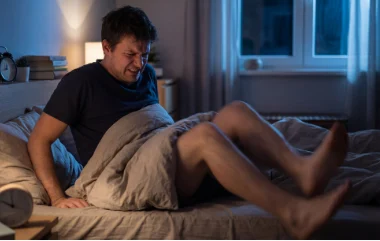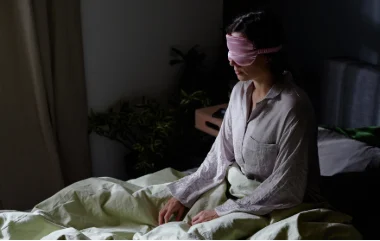











For millions of people worldwide, the transition from day to night is not a time of peaceful restoration, but a period of profound anxiety and frustration. Chronic insomnia—a condition characterized by the inability to fall or stay asleep—affects nearly one-third of the adult population at some point in their lives. To combat the pervasive myths and misinformation surrounding this disorder, the American Academy of Sleep Medicine (AASM) and the Society of Behavioral Sleep Medicine (SBSM) recently hosted their annual "Insomnia Awareness Night."
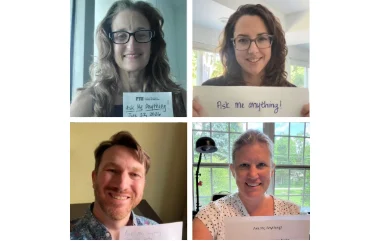
This year, the initiative moved beyond traditional educational pamphlets, taking the conversation directly to the digital frontlines. On the social platform Reddit, a panel of preeminent sleep scientists—Spencer Dawson, PhD; Sarah Honaker, PhD; Monica Kelly, PhD; and Jennifer Martin, PhD—participated in a live "Ask Me Anything" (AMA) session. Their goal: to provide evidence-based guidance to a public desperate for a reprieve from the exhaustion of sleeplessness.
The Reality of the Sleep Crisis: A Chronology of Concern
The prevalence of insomnia has surged in the 21st century, exacerbated by the "always-on" culture of smartphones, high-stress professional environments, and an increasingly sedentary lifestyle. According to the AASM, insomnia is not merely a "bad night’s sleep"; it is defined clinically as difficulty falling or staying asleep that occurs at least three times per week and persists for longer than three months, significantly impacting daytime functioning.
During the AMA session, the experts highlighted that public understanding of sleep hygiene remains largely rooted in anecdotes rather than clinical science. The session served as a pivot point, moving the discourse away from "quick fixes"—like over-the-counter supplements and unverified tracking gadgets—and toward Cognitive Behavioral Therapy for Insomnia (CBT-I), which is the gold-standard treatment for the condition.
Supporting Data: Why "Catching Up" Is a Myth
One of the most common inquiries during the Reddit session concerned the phenomenon of "weekend recovery sleep." Many individuals attempt to compensate for five days of sleep deprivation by oversleeping on Saturday and Sunday.
Dr. Jennifer Martin addressed this head-on, noting that while there is some evidence that weekend recovery can provide a temporary buffer against the acute effects of sleep loss, it is a poor substitute for consistent rest. "Yes and no," Dr. Martin replied when asked if weekend sleep mitigates long-term damage. "Some studies show that catching up on sleep on weekends is better than not catching up at all. However, getting seven or more hours of sleep on a regular basis is best for long-term health and well-being."
The implications here are significant. Chronic sleep deprivation is linked to a host of health issues, including cardiovascular disease, metabolic dysfunction, and cognitive decline. By relying on weekend "crashes," individuals fail to address the underlying physiological need for a stable circadian rhythm.
The Digital Paradox: Sleep Tracking and Anxiety
In the modern era, the "quantified self" movement has brought sleep-tracking technology to the wrists of millions. Devices like the Apple Watch, Oura Ring, and various fitness bands promise to unlock the secrets of our sleep architecture. However, the experts cautioned against the potential for these devices to become a source of "orthosomnia"—a preoccupation with achieving "perfect" sleep data that ultimately leads to more stress.
Dr. Sarah Honaker provided a nuanced perspective: "Tracking sleep over time… can be helpful, particularly if it motivates you to change a sleep-related behavior, such as going to bed at the same time each night." However, she warned that the data can be misleading. "These devices may not be fully accurate. In some cases, sleep tracking can make sleep worse by causing stress or anxiety about sleep. The most important indicator is how you feel the next day."
This distinction is crucial for the millions who feel a sense of failure when their device reports a "low sleep score," even if they feel adequately rested.
Expert Consensus on Supplements and Binaural Beats
The market for sleep aids is currently flooded with melatonin, herbal blends, and unregulated supplements. Dr. Jennifer Martin was blunt regarding the lack of scientific rigor in this industry: "The number of sleep supplements on the market is growing faster than the scientific evidence supporting them. It’s almost impossible to know what works and what may be a placebo effect."
Regarding the popular use of THC microdoses and melatonin, Dr. Martin noted that there are no high-quality, large-scale clinical studies confirming their long-term efficacy or safety for chronic insomnia. Melatonin, in particular, is often misunderstood; it is a hormone that regulates the timing of sleep rather than a sedative that induces it. It is most effective for jet lag or delayed sleep phase syndrome, not the hyperarousal associated with chronic insomnia.
Similarly, the trend of listening to "binaural beats"—auditory illusions created by playing two slightly different frequencies in each ear—was addressed by Dr. Spencer Dawson. While he acknowledged that they have not been proven to induce sleep through neurological entrainment, he suggested they serve as a helpful, calming distraction, much like a podcast or an audiobook. If they aid in relaxation, they are a harmless tool, provided they do not become a "crutch" that prevents the sleeper from developing internal self-soothing techniques.
Addressing the "Hyperarousal" Phenomenon
For many, the most harrowing aspect of insomnia is the sensation of "hyperarousal"—the feeling of being "tired but wired." One Reddit user described waking every two minutes, a symptom that points toward more complex issues like sleep apnea or periodic limb movement disorder.
Dr. Martin’s advice was immediate and clear: "Frequent arousals during sleep can be a sign of a sleep disorder. Talk to the healthcare professional who conducted your sleep study and discuss possible causes." The takeaway is that insomnia is often a symptom of an underlying medical condition, not just a psychological state. Seeking a referral to a sleep medicine specialist is the necessary next step for anyone whose sleep fragmentation is interfering with their daily life.
Navigating Early Morning Awakenings
The "4:00 a.m. wake-up" is a common source of despair. Dr. Spencer Dawson explained that this can be caused by various factors, including age-related circadian shifts (where the internal clock naturally advances) or psychological stressors like anxiety.
Dr. Dawson’s strategy for those struggling to stay asleep is counterintuitive but effective: "In general, if you want to be able to sleep later, we recommend that you don’t start your day until the time you want to be awake. Giving yourself an opportunity to fall back asleep can help, as long as you don’t force it."
Forcing sleep, as the experts emphasized throughout the session, is the primary enemy of recovery. The more one "tries" to sleep, the more the brain remains in an alert, active state. Acceptance and allowing the body to drift off naturally is a core tenet of CBT-I.
Implications for Public Health
The success of the Insomnia Awareness Night Reddit AMA highlights a growing public hunger for accurate, non-commercialized health information. The experts successfully shifted the narrative from "buying a cure" to "understanding the biology of rest."
The implications for the medical community are clear: there is an urgent need for broader access to Cognitive Behavioral Therapy for Insomnia (CBT-I). As the panel noted, while sleep hygiene and lifestyle adjustments are important, CBT-I remains the most effective, evidence-based treatment for those who have suffered for more than three months.
In conclusion, the wisdom shared by Dr. Dawson, Dr. Honaker, Dr. Kelly, and Dr. Martin serves as a reminder that sleep is not a commodity to be optimized, but a biological function that thrives on consistency, patience, and the removal of performance anxiety. For the millions struggling tonight, the message is one of hope: through professional intervention and a shift in perspective, the cycle of insomnia can be broken.
For those seeking further information on sleep health, the American Academy of Sleep Medicine provides a wealth of resources at sleepeducation.org.