









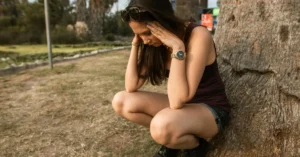


As global temperatures climb and climate change intensifies the frequency and severity of heat waves, the phenomenon of extreme heat has shifted from a seasonal inconvenience to a significant public health crisis. While scorching temperatures—often exacerbated by high humidity—pose a lethal threat to the elderly, young children, and those with underlying health conditions, experts warn that no one is truly immune to the physiological toll of prolonged exposure to heat.
Understanding how to manage these risks is no longer just about common sense; it is a vital survival skill in an era of unprecedented environmental volatility.
The Science of Swelter: Why Temperature Isn’t the Whole Story
When weather reports warn of a heat wave, the mercury reading on a standard thermometer is only part of the narrative. Public health officials emphasize that the danger of a heat event is determined by a complex interplay of environmental variables.
Understanding WBGT vs. Heat Index
The gold standard for assessing risk is the Wet Bulb Globe Temperature (WBGT). Unlike the standard ambient temperature, the WBGT accounts for four critical factors: air temperature, humidity, wind speed, and solar radiation (cloud cover). This metric provides a far more accurate representation of how the human body experiences heat stress.
Conversely, the Heat Index—frequently cited on smartphone weather apps—measures only temperature and humidity. While it is a useful, accessible tool for the general public, it can be deceiving. For example, a 90°F (32°C) day in the arid desert of Phoenix, Arizona, may feel less physically taxing than an 80°F (27°C) day in the "soupy," high-humidity environment of Little Rock, Arkansas. Humidity acts as a thermal barrier, preventing sweat from evaporating and cooling the skin, which forces the body to work significantly harder to maintain a stable internal temperature.
The NOAA Thresholds
According to the National Oceanic and Atmospheric Administration (NOAA), prolonged exposure to specific combinations of heat and humidity can push the human body into the "danger" zone. For instance, when temperatures reach 96°F (36°C) with 45% humidity, the risk of heat-related illness during strenuous activity or extended time outdoors increases exponentially. Recent climate research suggests that even young, healthy individuals may face physiological collapse after only a few hours of sustained exposure to high heat and humidity levels.
The Nighttime Deficit: The Hidden Danger of Warm Nights
A critical, yet often overlooked, aspect of heat waves is the lack of nighttime cooling. Ashley Ward, director of the Heat Policy Innovation Hub at Duke University, highlights that the body relies on the evening hours to recover from the thermal stress accumulated during the day.
"Your body needs a reprieve," Ward explains. "If the temperature doesn’t drop, you don’t get that recovery, and we start the next day at a deficit."
When overnight lows fail to dip below 75°F (24°C), the medical implications are severe. Data shows a direct correlation between these "tropical nights" and spikes in emergency room visits, labor productivity losses, and, most tragically, mortality rates. Without the nighttime cool-down, the cumulative stress on the cardiovascular and nervous systems can lead to heat exhaustion and heat stroke even in individuals who appear physically robust.
Strategies for Thermal Management
For those without access to central air conditioning, surviving a heat wave requires ingenuity and preparation.
Creating a "Cool Corner"
If air conditioning is unavailable or unaffordable, experts recommend creating a "cool corner"—a designated area of the home, preferably on the lowest floor or in a room with minimal sun exposure, where you can spend the majority of your time and sleep.
Appliance Advice
- Fans: In humid environments, fans are effective for circulating air and cooling the skin.
- Evaporative Coolers: While effective in dry climates, "swamp" coolers can be counterproductive in humid areas. By adding moisture to the air, they increase the local humidity, which can make it harder for the body to cool itself through evaporation.
- Public Resources: When home cooling fails, citizens should identify local "cooling centers"—public spaces like libraries, malls, and movie theaters—that offer a climate-controlled environment.
For low-income households, resources like the Low-Income Home Energy Assistance Program (LIHEAP) may provide financial support for the purchase of window air conditioning units. Local civic organizations and nonprofits are also increasingly stepping in to provide fans and cooling assistance to the elderly and vulnerable.
The Workforce Dilemma: Navigating Heat on the Job
For those whose livelihoods require outdoor labor, extreme heat is an occupational hazard that often lacks consistent regulatory oversight. According to the Natural Resources Defense Council (NRDC), only a handful of states—including Washington, Oregon, California, Nevada, Colorado, Minnesota, and Maryland—have specific workplace heat protections in place.
Bharat Venkat, director of the UCLA Heat Lab, points out that even where regulations exist, enforcement is fraught with systemic challenges. "Most workers don’t actually have control over their time or control over where they work," Venkat notes. Often, shaded areas are too far from the worksite, or management practices prioritize output over safety, effectively discouraging workers from taking necessary breaks.
Essential Workplace Precautions:
- Hydration: Do not wait until you are thirsty to drink fluids.
- Active Cooling: Wetting clothing or applying cold water to pulse points—specifically the neck, armpits, hands, and feet—can help lower the body’s core temperature.
- Protective Gear: Cooling vests and portable handheld fans can provide a necessary buffer for those working in direct sun.
- Strategic Scheduling: If possible, shift strenuous tasks to the early morning or late evening, avoiding the peak solar hours of 10 a.m. to 4 p.m.
Identifying and Responding to Heat Illness
Heat-related illness exists on a spectrum, and recognizing the early warning signs can mean the difference between a minor discomfort and a medical emergency.
The Symptom Progression
- Early Warning Signs: Heavy sweating, muscle cramps, and a nagging headache are the body’s first distress signals. If these occur, stop all activity immediately, move to a cooler environment, and hydrate.
- Heat Exhaustion: As the condition progresses, individuals may experience dizziness, a racing heart rate, and severe fatigue.
- Heat Stroke: This is a life-threatening emergency. Symptoms include confusion, slurred speech, and fainting.
"Don’t be embarrassed to call 911 or go to urgent care when you think you might have overdone it in the heat," Venkat advises. When confusion or loss of consciousness occurs, time is of the essence; the cooling process must begin immediately while awaiting professional medical intervention.
Implications for a Warming Future
The escalating frequency of heat waves is a clear signal that the climate is changing, placing unprecedented pressure on our infrastructure, our healthcare systems, and our social safety nets. As we move forward, building resilience will require more than just personal preparedness. It will necessitate urban planning that prioritizes green spaces to mitigate the "urban heat island" effect, more robust labor protections for outdoor workers, and universal access to cooling technologies.
Ultimately, surviving the heat is a collective challenge. By understanding the science behind the weather, advocating for better workplace safety, and looking out for the most vulnerable members of our communities, we can build a society that is better equipped to handle the rising temperatures of the 21st century.
As the summer months approach, stay informed via local weather services, check on elderly neighbors, and prioritize your health over productivity. In the face of a changing climate, staying cool is the new standard for public safety.