










By Sree Roy
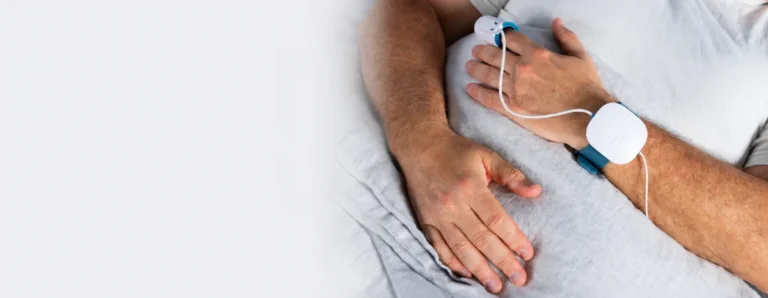
The landscape of sleep medicine is undergoing a profound transformation. As demand for sleep apnea diagnostics surges, sleep practices—ranging from specialized sleep centers to dental sleep medicine clinics—are increasingly turning to disposable home sleep tests (HSTs) to manage the growing volume of patients. While the primary allure of these single-use devices is the elimination of the labor-intensive cycle of cleaning, sanitizing, and managing inventory, the operational reality is more nuanced. True efficiency, experts argue, is not found in the device alone, but in a holistic re-engineering of the patient care pathway.
Main Facts: The Shift Toward Disposable Diagnostics
Disposable HSTs offer a clear value proposition: simplified logistics and reduced administrative overhead. By removing the need to track, charge, and maintain a fleet of expensive, reusable diagnostic equipment, clinics can theoretically scale their testing capacity without a commensurate increase in headcount.
However, the "plug-and-play" promise of disposables can be misleading if not supported by robust internal processes. The transition from a reusable to a disposable model requires a shift in how clinics view their supply chain and patient engagement. The decision to adopt single-use technology must be based on a comprehensive analysis of the entire sleep care journey, from the moment of intake to the long-term monitoring of therapy adherence. Without intentional optimization, the potential time savings offered by these devices can easily be eroded by administrative friction, communication breakdowns, and human error.
Chronology of Clinical Workflow Evolution
Historically, the sleep diagnostic workflow was tethered to the physical laboratory. Patients arrived, were hooked up to polysomnography equipment by technicians, and were monitored overnight. The move to home testing initially mirrored this intensity, requiring clinics to manage "kit checkout" windows, extensive cleaning protocols, and rigorous tracking of hardware to ensure devices returned safely to the office.
As the industry shifted toward efficiency, the timeline of care has compressed:
- The Era of Reusables: Practices invested heavily in durable medical equipment (DME). Staff spent an estimated 30–40 minutes per test on logistical tasks—sanitizing sensors, charging batteries, checking for missing components, and managing the intake/outtake flow.
- The Pivot to Disposables: Clinics began adopting single-use HSTs to bypass the "re-processing" bottleneck. This shifted the focus from equipment management to supply chain management—ensuring the right kits are in stock and ready to be shipped.
- The Current Optimization Phase: Leading practices are now focusing on the "front-end" of the process. By investing more time in the initial patient contact, they are reducing the downstream "cleanup" that often plagues diagnostic workflows, such as misdirected shipments or failed test data due to improper user application.
Supporting Data: Calculating the "True" ROI
When evaluating the transition to disposable HSTs, financial officers and clinic owners are advised to look beyond the unit price. While a disposable device typically carries a higher per-test cost than the amortized expense of a reusable unit, the "hidden math" of clinical operations reveals significant savings.
Jonathan Wong, DDS, MS, owner of Renovo Endodontic Studio, emphasizes that the true cost of reusable testing is often buried in payroll. "Cleaning, charging, bagging, sensor checks, and following up on missing parts can consume up to 40 minutes per test," Wong explains. "This time is rarely itemized on a timesheet because it is fragmented across the front desk, medical assistants, and clinicians."
These fragmented minutes manifest as:
- Workflow Interruptions: Every time a staff member has to pause a clinical task to track down a lost device or sanitize a sensor, the practice loses momentum.
- Administrative Stalls: Charts that sit idle because a device wasn’t returned on time lead to delays in diagnosis and, consequently, delays in treatment initiation.
- Lost Revenue: Every hour spent on device maintenance is an hour that could have been spent on patient consultation, billing, or treatment planning.
According to Sadia Saeed, MD, a medical advisor at the virtual healthcare platform Welzo, practices that effectively transition to disposables report a significant increase in the speed of the diagnostic cycle. "Reducing lost equipment and streamlining personnel time helps to offset the higher per-unit costs," she notes.
Official Responses and Expert Insights
Industry leaders emphasize that the success of a disposable program hinges on a "measure twice, cut once" approach to patient intake. Because disposable kits are often mailed directly to the patient, the opportunity for error—such as an incorrect address or a misunderstood instruction—is magnified.
"It is entirely possible to lose all the savings gained from disposable technology by entering the wrong shipping address," warns Dr. Wong. He suggests that a five-to-seven-minute investment during the initial patient call—verifying mailing addresses, confirming phone numbers, and ensuring the patient understands the diagnostic goal—can prevent days of troubleshooting later.
Furthermore, patient education is being redefined. Rather than handing a patient a 50-page manufacturer manual, forward-thinking practices are curating concise, one-page "quick start" guides. "The patient requires a clear, two-minute walk-through and a well-defined support window," says Wong. By providing a dedicated contact number for bedtime troubleshooting, practices can drastically reduce the incidence of "failed" studies, where data is corrupted by improper sensor placement or connectivity issues.
Implications: A Future of Longitudinal Monitoring
While the disposable model provides one path toward efficiency, it is not the only one. A growing segment of the pulmonology and sleep medicine community is pivoting toward "longitudinal monitoring" as an alternative approach to efficiency.
Dr. Sahil Chopra, co-founder of Empower Sleep, argues that the focus should shift from a single "snapshot" of sleep to a continuous, data-rich monitoring process. By utilizing small, reusable devices—such as a ring-based sensor integrated with cloud-based software—clinicians can capture a two-week baseline of data. This allows for a more accurate diagnosis and a more precise titration of therapy.
"This is particularly effective for trialing oral appliance therapy," says Dr. Chopra. By allowing patients to test an over-the-counter appliance while wearing a longitudinal monitor, clinicians can quickly identify which patients are likely to respond to more expensive, custom-fabricated devices. This model prioritizes high-quality, long-term data over the simple binary of "disposable vs. reusable."
Balancing Efficiency and Patient Experience
Ultimately, the choice between disposable HSTs and longitudinal monitoring, or even traditional polysomnography, must be anchored in the quality of care. As Louis Lerebours, MD, a family medicine physician at Freeman Recovery Center, notes, the goal is to provide the patient with a seamless path to treatment.
"The best clinical solution is one that provides excellent care while ensuring the office operates in a sustainable way," Lerebours says. The rise of direct-to-patient shipping for disposable tests has been a boon for patients in rural or underserved areas, effectively removing the transportation barriers that previously hindered access to sleep diagnostics.
Summary of Strategic Considerations:
- Financials: Calculate the "Total Cost of Ownership" (TCO) rather than the "Cost Per Unit." Include staff hours, shipping, and equipment loss.
- Logistics: Invest in rigorous intake protocols. A small amount of time spent verifying patient details at the start saves massive amounts of time in remediation.
- Education: Simplify the patient’s role. Clear, concise instructions are more effective than comprehensive manuals.
- Technology: Evaluate whether your practice needs a quick, one-night snapshot (disposables) or a long-term data trend (longitudinal monitoring).
As sleep medicine continues to evolve, the winners in this space will be the practices that treat their diagnostic workflows as a strategic asset. By mastering the intake process, leveraging modern logistics, and staying focused on the end goal of therapy adherence, clinicians can transform the diagnostic phase from a logistical burden into a seamless, high-value component of the patient care experience. Whether through the efficiency of disposables or the insights of longitudinal data, the path to a healthier patient population is becoming clearer, faster, and more accessible than ever before.