









For an estimated 80 million Americans, the most dangerous part of their day begins the moment they close their eyes. Obstructive Sleep Apnea (OSA)—a chronic condition characterized by repeated pauses in breathing during sleep—is a silent epidemic, yet it remains shrouded in misconceptions, social stigma, and, most alarmingly, widespread underdiagnosis. With approximately 80% of sufferers unaware that they are living with the disorder, the stakes for public health are immense.
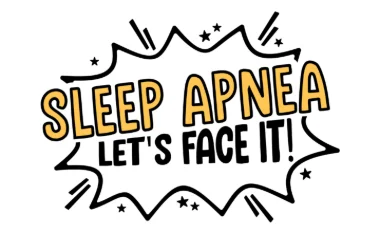
To bridge this dangerous gap between symptom and diagnosis, the non-profit advocacy organization Project Sleep has officially launched Sleep Apnea: Let’s Face It!, a year-round, nationwide initiative designed to dismantle stereotypes and provide a human face to a disorder often relegated to jokes about snoring. As the country prepares to observe Sleep Apnea Education Week (April 18–26), this campaign serves as a clarion call for patients, clinicians, and advocates to foster a more informed, empathetic healthcare landscape.
The Silent Epidemic: Understanding the Scale and Scope
The statistics surrounding sleep apnea are not merely numbers; they are indicators of a profound public health oversight. Despite its prevalence, sleep apnea is frequently dismissed by both patients and providers. Many patients normalize their symptoms, attributing persistent daytime fatigue, irritability, and morning headaches to the stresses of modern life or aging.
The physiological consequences of untreated sleep apnea are severe. When a person’s airway collapses during sleep, oxygen levels plummet, forcing the heart to work harder and the brain to trigger a wake-up signal to resume breathing. This cycle can occur hundreds of times per night, leading to an increased risk of hypertension, stroke, type 2 diabetes, and cardiovascular disease.
Project Sleep’s initiative is rooted in the reality that the “stereotypical” sleep apnea patient—often depicted as an older, overweight male—is an outdated trope. By showcasing a diverse array of individuals living with the condition, Let’s Face It! aims to highlight that sleep apnea does not discriminate based on age, gender, or physical appearance.
Chronology of a Movement: From Awareness to Advocacy
The Sleep Apnea: Let’s Face It! campaign is the culmination of years of advocacy work by Project Sleep. While the organization has long provided resources for sleep disorders, the formalization of this specific campaign marks a strategic pivot toward aggressive, community-led visibility.
- Foundational Phase: Over the past two years, Project Sleep began identifying significant barriers to care, including the "diagnosis delay," where patients often spent years visiting multiple specialists before receiving an accurate sleep study referral.
- The Launch of "Sleep Apnea Squad": Recognizing the need for peer-to-peer support, the organization introduced the Sleep Apnea Squad series. Hosted by patient advocate and Program Manager Emma Cooksey, this multimedia platform provided the first major digital hub for evidence-based information on CPAP therapy, lifestyle adjustments, and self-advocacy.
- The 2026 Awareness Push: With the announcement of the 2026 Education Week, the campaign has moved from information distribution to active participation. The "I’m All In" social media initiative invites stakeholders to hold an official campaign sign and share their personal connection to the cause, creating a decentralized, global gallery of supporters.
Supporting Data: The Cost of Underdiagnosis
The 80% underdiagnosis rate is a critical metric that healthcare economists and public health officials have cited as a major drain on national productivity. Fatigue-related accidents—whether in the workplace or on the road—are significantly higher in populations with untreated sleep disorders.
Furthermore, the diagnostic journey is often fractured. The traditional path to care involves a primary care physician referral, a consultation with a sleep specialist, an at-home sleep study or an in-lab polysomnography, and finally, titration for treatment like CPAP (Continuous Positive Airway Pressure). At any point in this chain, patients may feel dismissed, or find the equipment daunting.
Project Sleep’s research underscores that when patients are better educated, their adherence to therapy—which can be notoriously difficult in the first few months of CPAP use—improves drastically. By providing free, downloadable infographics and clinical toolkits, the campaign is equipping both patients and doctors with the language needed to discuss these barriers openly.
Official Responses and Clinical Perspectives
Clinical leaders in sleep medicine have largely welcomed the Let’s Face It! campaign. Dr. Aris Thorne, a specialist in pulmonary and sleep medicine, notes that the "human element" is the missing ingredient in traditional clinical practice.
"When a patient walks into my office, they aren’t just a set of data points from a sleep study," says Dr. Thorne. "They are individuals who have been exhausted for years. Projects like this help patients walk in the door with the confidence that they aren’t alone, and that their symptoms—no matter how subtle they seem—are worth investigating."
Project Sleep has also made a concerted effort to engage the medical community directly. By providing materials that can be printed and displayed in waiting rooms, they are ensuring that the message reaches patients even before they have their first consultation. This proactive approach is designed to shift the medical culture from reactive treatment to early intervention.
The Intersection of Identity and Diagnosis
A pivotal aspect of the current campaign is the focus on marginalized groups. For instance, the upcoming Women and Sleep Apnea broadcast, scheduled for April 21, 2026, addresses a historical bias in medicine where women’s symptoms were frequently misdiagnosed as anxiety or insomnia.
Because women may present with "atypical" symptoms—such as fatigue rather than loud snoring or gasping—their path to diagnosis is often significantly longer than that of their male counterparts. By elevating these specific stories, Project Sleep is ensuring that the diagnostic net is cast wider, catching patients who might otherwise fall through the cracks of a biased system.
Implications for the Future of Sleep Health
The Sleep Apnea: Let’s Face It! campaign is more than an awareness week; it is a long-term strategy to normalize the discussion of sleep health in the same way we discuss heart health or diabetes management.
Key Implications include:
- Reduced Healthcare Costs: Early diagnosis leads to better management of comorbidities, significantly reducing the long-term cost burden on the healthcare system.
- Increased Adherence: By fostering a supportive community, the campaign helps patients navigate the initial discomfort of treatment, leading to better long-term health outcomes.
- Destigmatization: By sharing real stories, the campaign removes the shame associated with wearing a mask or using a device to breathe at night, turning a medical necessity into a badge of health-conscious living.
As the campaign gains momentum, the goal remains clear: to build a future where sleep apnea is recognized as a manageable, treatable, and essential component of general wellness.
How to Get Involved
The success of this initiative depends on a grassroots movement of "all-in" participants. Project Sleep encourages the public to visit their website to download the official campaign signage. Whether you are a patient, a caregiver, or a clinician, your participation creates a digital footprint of support that can reach someone currently struggling in silence.
As we approach the week of April 18–26, 2026, the message is simple: Stop letting the silence persist. Take the assessment, talk to your doctor, and share your story. With enough voices, we can ensure that the next person who gasps in their sleep is not just another statistic, but a patient who finally has the tools to seek the rest—and the life—they deserve.
For those looking to deepen their engagement, the Sleep Apnea Squad broadcast on April 21 at 2 p.m. EDT offers a prime opportunity to learn, ask questions, and contribute to the ongoing dialogue. The path to a healthier society begins with a good night’s sleep; it’s time to face the facts, and face the condition, together.