










By Jonathan Gardner | July 8, 2026
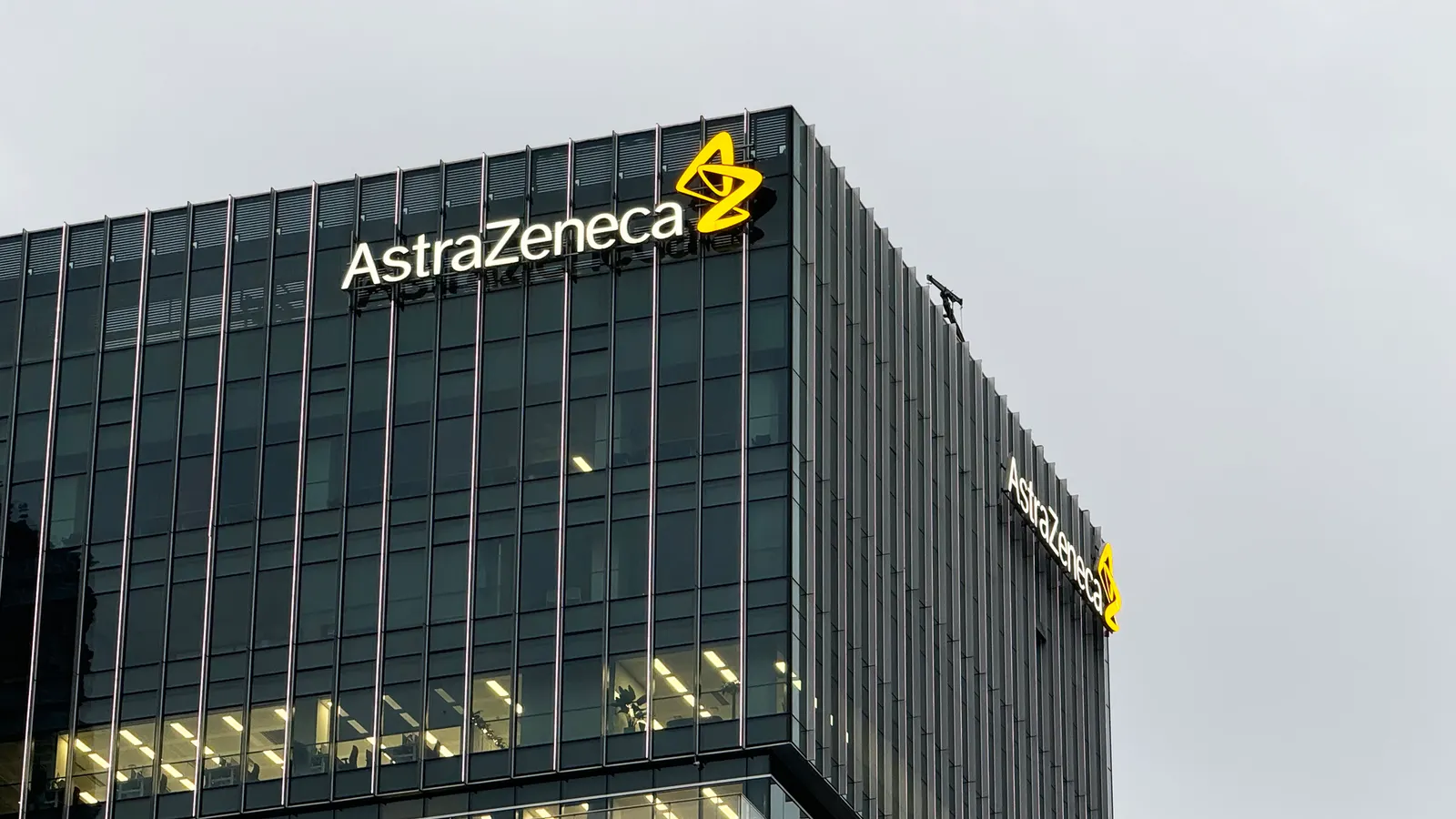
In a significant maneuver that highlights the persistent magnetism of the Chinese biopharmaceutical market, British pharmaceutical titans AstraZeneca and GSK have finalized a series of strategic partnerships with local Chinese counterparts. The moves, announced this week, signal an ongoing commitment to the region’s vast clinical and commercial landscape, even as Western governments—led by the United States—increase their scrutiny of transnational life sciences collaborations involving Chinese entities.
The dual-pronged approach reflects two distinct strategies: AstraZeneca is deepening its commitment to early-stage innovation and local R&D, while GSK is leveraging local partnerships to aggressively expand the market penetration of its established respiratory blockbusters.
Main Facts: A Strategic Pivot to the East
The recent agreements center on the respiratory medicine space, a therapeutic area where both AstraZeneca and GSK maintain a dominant global footprint.
AstraZeneca has officially licensed TQC3721 from Sino Biopharmaceutical, a promising phosphodiesterase (PDE) 3/4 inhibitor. This class of medication has recently seen a surge in valuation; notably, Merck & Co. made headlines last year by acquiring Verona Pharma for $10 billion to secure similar technology. TQC3721 has already demonstrated positive results in Phase 2 clinical trials in China, showing superior lung function improvement in patients with chronic obstructive pulmonary disease (COPD) when used in combination with standard-of-care therapies.
Simultaneously, GSK has entered into a strategic commercial alliance with Sino Biopharmaceutical. Under the terms of this deal, Sino will manage the importation, promotion, and distribution of GSK’s core respiratory brands, Trelegy and Anoro, within the Chinese market. GSK expects this partnership to act as a force multiplier, significantly widening the reach of these treatments into a demographic with high unmet respiratory needs.
Chronology of Recent Expansion
The current deals are not isolated events but rather the latest chapters in a long-standing strategy of integration within the Chinese life sciences ecosystem.
- Early 2024: AstraZeneca announces a sweeping $15 billion commitment toward drug discovery, research infrastructure, and localized manufacturing facilities across China, establishing the nation as a primary hub for its global innovation pipeline.
- Late 2024: AstraZeneca formalizes multiple alliances with CSPC Pharmaceutical Group, creating a template for co-development models that bypass traditional barriers to entry.
- 2025: Global sales for GSK’s Trelegy hit the 3 billion pound ($3.9 billion) mark, with a growing percentage of growth attributed to emerging markets, particularly China.
- July 2026: AstraZeneca and GSK announce their latest collaborative efforts with Sino Biopharmaceutical, signaling a move toward deeper, more granular market integration.
Supporting Data: The Economic Engine
The rationale behind these partnerships is rooted in hard data. For both AstraZeneca and GSK, the Chinese market is no longer a peripheral territory but a core pillar of their international growth strategies.
The Respiratory Portfolio
- Trelegy: In 2025, Trelegy generated £3 billion ($3.9 billion) globally. Approximately 16% of these sales originated from territories outside the U.S. and Europe, with China representing the fastest-growing component of that segment.
- Anoro: GSK’s sales for the drug reached £542 million ($714 million) in 2025. With 18% of that revenue coming from non-Western markets, the company sees significant potential for further expansion by utilizing Sino’s local distribution networks.
The R&D Upside
The licensing of TQC3721 by AstraZeneca follows a "best-in-class" strategy. With COPD rates rising due to environmental factors and aging populations in Asia, the clinical efficacy demonstrated by TQC3721 in Phase 2 trials offers a significant competitive advantage over existing, older-generation therapies.
Official Responses and Strategic Rationale
Representatives from the involved companies have emphasized the synergy of these alliances.

A spokesperson for Sino Biopharmaceutical stated, "This partnership is designed to maximize the potential clinical and commercial value of this potential best-in-class medicine. By combining our localized development expertise with AstraZeneca’s global clinical reach, we aim to benefit more patients worldwide, not just within China."
From the GSK perspective, the partnership is framed as a logistical triumph. By delegating the complexities of local distribution and market navigation to a domestic giant like Sino, GSK can ensure its premium respiratory products reach regional clinics and Tier-2 cities that were previously difficult to penetrate. The company expects to record all related revenue from these sales, maintaining its financial control over the assets while outsourcing the operational burden.
Implications: Navigating the Geopolitical Tightrope
While these deals are commercially sound, they occur against a backdrop of increasing geopolitical tension.
U.S. Regulatory Scrutiny
In Washington, the "Biosecure Act" and related legislative efforts have placed Chinese biotechnology firms under the microscope. U.S. lawmakers have expressed concerns regarding data security, intellectual property leakage, and the reliance of Western pharmaceutical supply chains on Chinese manufacturers. AstraZeneca and GSK, by deepening their ties, are essentially positioning themselves as a bridge between these two spheres, arguing that medical innovation is a global necessity that transcends national borders.
The "Decoupling" Risk
The pharmaceutical industry remains uniquely vulnerable to shifts in trade policy. If the U.S. or European Union were to impose further restrictions on technology transfers or clinical trial data sharing, companies like AstraZeneca—which have invested heavily in Chinese infrastructure—could face significant write-downs. However, the current consensus among industry analysts is that the therapeutic necessity of these drugs (especially in respiratory health) provides a degree of immunity from the most aggressive forms of trade decoupling.

Future Market Dynamics
These deals may set a new precedent for how "Big Pharma" approaches the Chinese market. Rather than attempting to go it alone or maintaining a purely export-based model, the industry is shifting toward a "co-development and co-distribution" framework. This model allows Western firms to retain high-level IP control while gaining access to the unmatched speed and scale of Chinese clinical execution.
Looking Ahead
The success of these partnerships will likely be measured by how quickly TQC3721 moves from clinical trials to full-scale commercialization and how effectively the GSK-Sino distribution model can increase the penetration of Trelegy and Anoro.
As the regulatory environment evolves, AstraZeneca and GSK have made a calculated bet: that the medical needs of the global population and the sheer scale of the Chinese market will continue to provide a compelling counterweight to the pressures of geopolitical volatility. Whether this strategy serves as a blueprint for the rest of the industry or a cautionary tale will depend on the stability of the U.S.-China commercial relationship over the next five years.
For now, the message from London is clear: despite the headlines, the pursuit of life-saving innovation in the world’s second-largest economy remains a priority that cannot be ignored.