

When the Human Genome Project reached its completion in 2003, it was hailed as the "Holy Grail" of biological science. The successful sequencing of the entire human genetic code promised a future where disease could be predicted, prevented, and cured with surgical precision. However, as the dust settled, a humbling realization emerged: our genes are not the sole architects of our destiny. Genetic predispositions explain, at most, 10% of our disease risk. The remaining 90% is governed by the environment—and among environmental factors, none is more influential or more misunderstood than what we put on our plates.
Despite decades of nutritional guidance focused on the "Big Four"—fats, salts, sugars, and calories—the global crisis of obesity and metabolic disease continues to accelerate. This discrepancy between clinical advice and public health outcomes suggests a profound oversight. We have been looking at nutrition through a keyhole, focusing on a tiny fraction of the chemical reality of food while ignoring the vast, invisible landscape that shapes our biology.
The Chronology of Nutritional Reductionism
To understand why our current approach to health is failing, we must look at how we have historically categorized food.
- The Early 20th Century (The Vitamin Era): Science focused on identifying deficiencies. The discovery of vitamins and minerals saved millions from scourges like scurvy and rickets. This success cemented the idea of food as a collection of essential building blocks.
- The Mid-20th Century (The Caloric Era): As processed foods rose to prominence, nutritionists began viewing food primarily as fuel. The focus shifted to caloric density and macronutrient ratios (proteins, carbohydrates, and fats).
- The Late 20th Century (The Reductionist Era): Food was further broken down into "good" and "bad" compounds. Cholesterol, saturated fats, and sodium were villainized, while fiber and antioxidants were promoted.
- 2003–Present (The Genomic/Omics Era): The sequencing of the human genome shattered the idea that genes were destiny, leading researchers to look for the "missing link" between our biology and our environment. This led to the realization that we have been systematically ignoring over 25,000 distinct compounds present in our diet.
The "Dark Matter" of Nutrition
In astronomy, dark matter constitutes roughly 27% of the universe. It is invisible, emitting no light, yet its gravitational presence is undeniable; without it, galaxies would fly apart. Nutrition science is currently facing its own "dark matter" crisis.
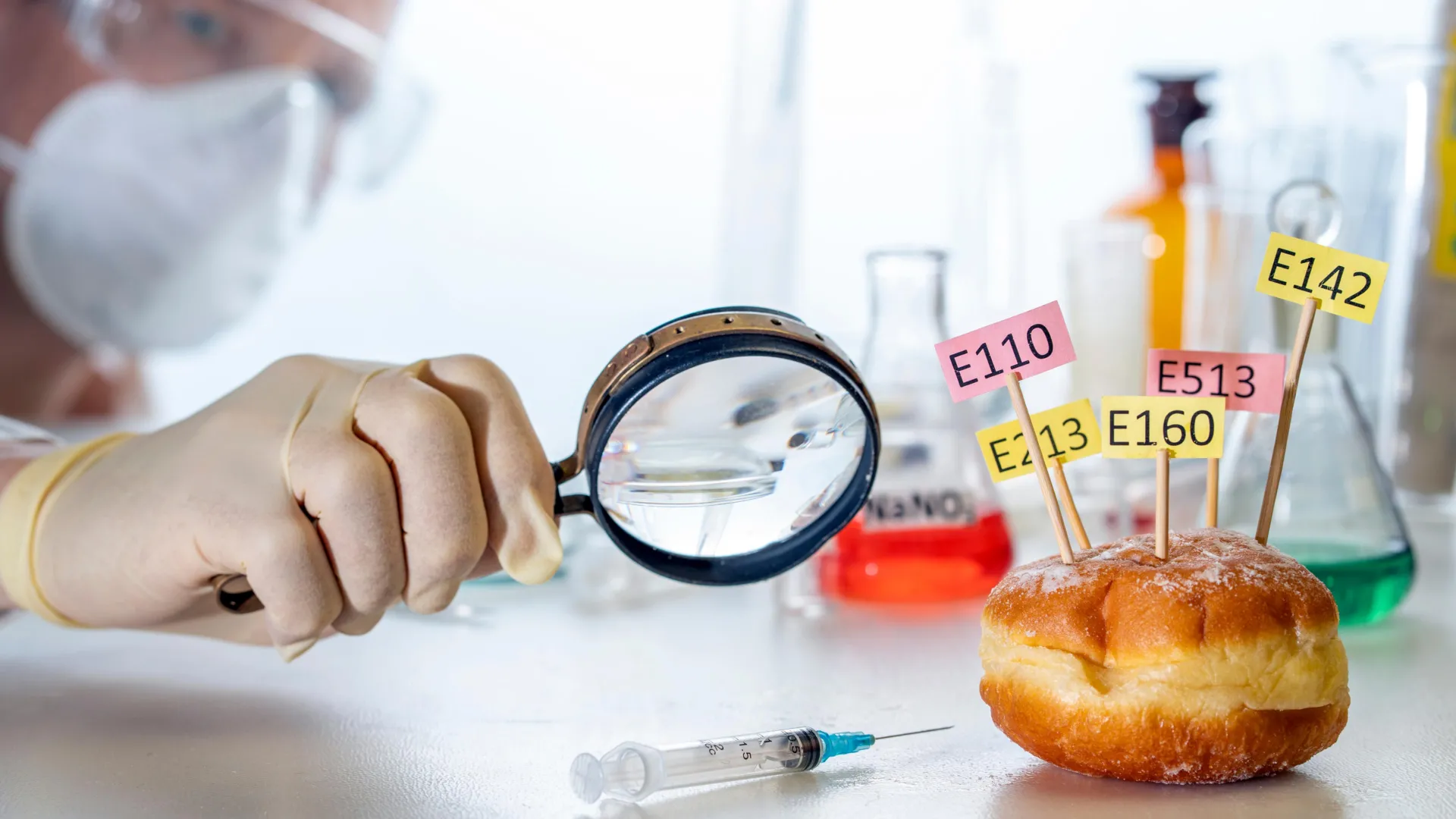
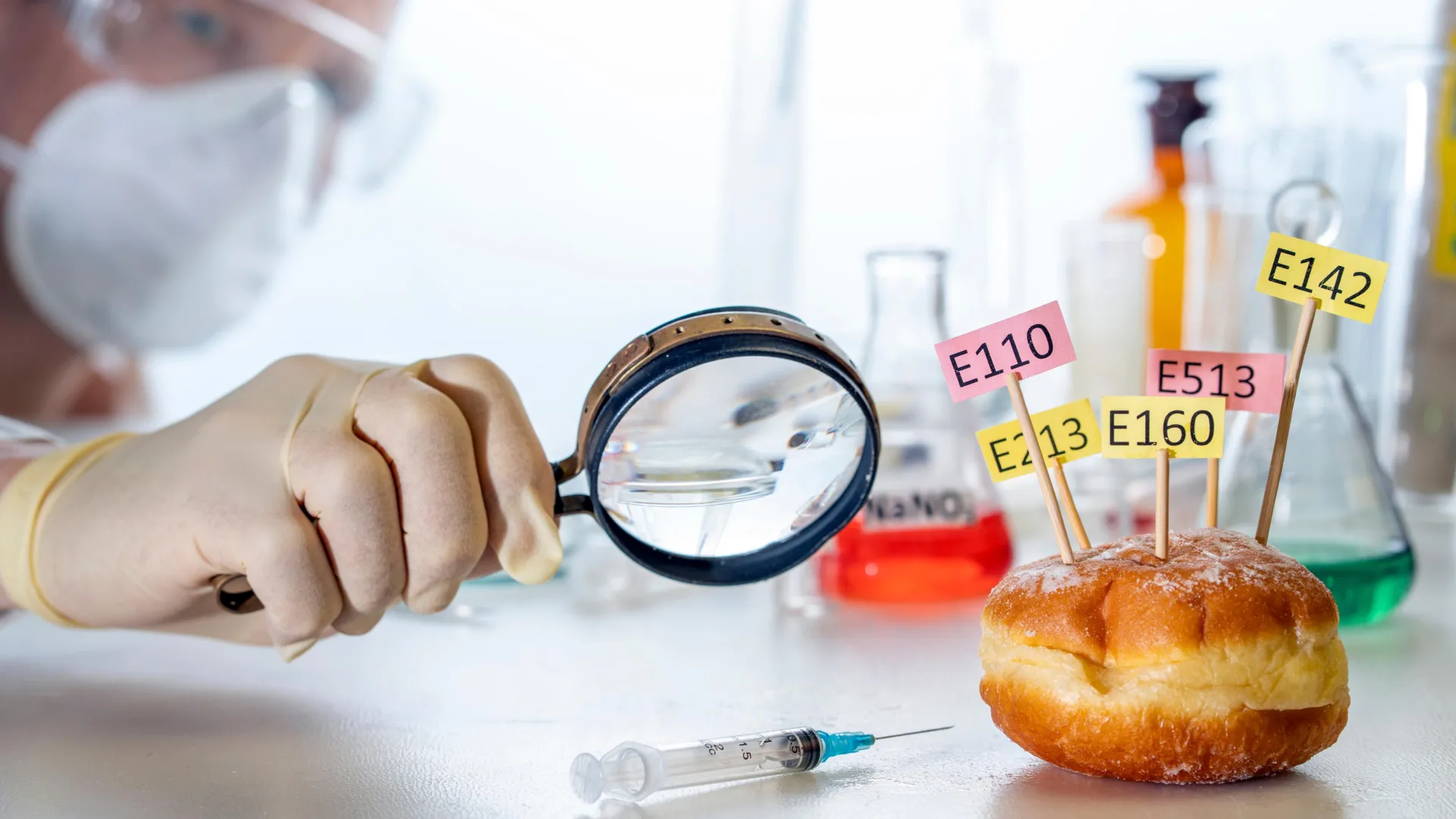
We currently recognize about 150 chemical compounds in food that are deemed "nutritionally relevant." However, current estimates suggest our diet actually delivers more than 26,000 unique molecular compounds. The vast majority of these remain uncharted—we consume them daily, yet we have no clear understanding of their biological functions.
Some of these compounds may act as silent healers, bolstering our immunity and regulating our metabolism, while others might be quiet drivers of chronic inflammation or disease. Because they don’t fit into the traditional categories of "protein" or "vitamin," they have been excluded from major research initiatives for decades. This is the "Nutritional Dark Matter": a vast, chemical mystery that dictates our health in ways we are only beginning to quantify.
Supporting Data: Why Current Models Fall Short
The urgency of this research is underscored by harrowing global statistics. According to data published in The Lancet, poor diet is now linked to nearly one in five deaths among adults over the age of 25. In Europe, the situation is even more acute, with dietary choices accounting for nearly half of all cardiovascular-related mortality.
Despite the proliferation of "low-fat" and "low-sugar" labeling, the incidence of diet-related illnesses, including Type 2 diabetes and hypertension, continues to climb. The failure of simple macronutrient counting suggests that health is not merely a function of what we subtract (like salt or sugar) but a complex result of what we add—or, more specifically, how the thousands of unknown molecules in our food interact with our gut microbiome and gene expression.
Foodomics: Mapping the Chemical Landscape
To solve the puzzle of nutritional dark matter, scientists are pivoting toward "Foodomics"—a multidisciplinary field that integrates genomics, proteomics, metabolomics, and nutrigenomics. By utilizing high-throughput analytical technologies, researchers are finally able to map how specific dietary molecules interact with our biological systems.
The Mediterranean Paradigm
The Mediterranean diet—long lauded for its heart-healthy benefits—serves as the perfect case study for Foodomics. For years, we attributed its success to olive oil or low red meat consumption. Today, researchers are uncovering a more granular reality.
For instance, consider the molecule TMAO (trimethylamine N-oxide). When gut bacteria metabolize certain compounds found in red meat and eggs, they produce TMAO, which is directly linked to increased cardiovascular risk. However, recent studies have shown that garlic contains sulfur-based compounds that actively inhibit the production of TMAO. Here, we see that health is not a passive state but an active, chemical competition occurring in the gut.
The Role of the Microbiome
Our gut bacteria are not merely passengers; they are active, chemical factories. When we consume plant-based compounds like ellagic acid (found in pomegranates, berries, and walnuts), our gut microbiome converts them into urolithins. These metabolites travel through the bloodstream to our cells, where they rejuvenate mitochondria—the "power plants" of our cells—significantly improving metabolic efficiency. This is a clear example of how food acts as a biological signal rather than just simple fuel.
Implications: The Epigenetic Legacy
Perhaps the most profound discovery in the field is that our diet can alter our biology without changing our DNA. This is the realm of epigenetics.
The historical data from the Dutch Hunger Winter during World War II provides a haunting example. Children born to mothers who experienced extreme famine during pregnancy showed a statistically higher risk of developing obesity, diabetes, and schizophrenia decades later. Researchers found that the maternal diet had effectively "switched" certain genes on or off, creating a lasting metabolic imprint that was passed down to the child. This proves that food is not just a nutrient source; it is a regulatory input that dictates how our genes are expressed.
Official Responses and Future Directions
The scientific community is responding to this challenge with massive, collaborative projects. The Foodome Project is currently the most ambitious attempt to catalogue this hidden universe. Having already listed over 130,000 molecules, the project seeks to build a comprehensive atlas that links specific food compounds to human proteins, gut microbes, and disease pathways.
Why This Matters for the Future of Medicine
- Personalized Nutrition: By understanding how individual genetics interact with specific "dark matter" molecules, we can move away from "one-size-fits-all" dietary guidelines to precision nutrition.
- Drug Discovery: Many of the compounds we find in food could serve as the blueprints for new, natural therapeutics that lack the side effects of synthetic drugs.
- Disease Prevention: We may eventually identify specific molecules that, when introduced into the diet, can reverse the epigenetic markers of chronic diseases before they manifest.
Conclusion: A New Era of Nutritional Literacy
We are currently at the precipice of a nutritional revolution. Just as astronomy’s discovery of dark matter forced us to rewrite the laws of physics, the discovery of nutritional dark matter is forcing us to rethink the fundamental nature of human health.
The food on our plates is a vast, interconnected chemical landscape. It is not merely a collection of calories to be counted or macronutrients to be balanced, but a complex, biological language that our bodies interpret every single second. By decoding this language, we are not just learning how to eat better; we are uncovering the mechanisms of life itself. As we continue to map this hidden universe, the promise of the 2003 genome project may finally be realized—not through our genes alone, but through the profound, chemical dialogue between the food we consume and the life we sustain.