











Turning 50 is a significant physiological milestone. It is often the decade where the "maintenance phase" of life shifts from optional to mandatory. As we transition through our mid-life years, the body undergoes subtle yet profound changes: muscle mass—a key metabolic engine—begins to decline, connective tissues lose their elasticity, and the restorative power of our recovery systems slows down. However, reaching this milestone does not signal an inevitable decline in physical capability.
According to Tyler Read, a seasoned personal trainer with 15 years of experience in the health and fitness industry, the secret to remaining active into one’s 70s and 80s is not found in high-intensity, joint-jarring gym sessions. Instead, it lies in the consistent application of functional, daily movements that prioritize longevity over intensity.
The Physiology of Aging: Why Maintenance Matters
To understand why specific exercises are recommended for men over 50, one must first look at the biological reality. After age 50, humans face a natural phenomenon known as sarcopenia—the age-related loss of muscle mass and strength. This process is exacerbated by sedentary lifestyles, where prolonged sitting leads to postural degradation, hip tightness, and core instability.
The goal for the modern man over 50 is not to replicate the athletic performance of his 25-year-old self. Rather, the objective is to cultivate a body that remains capable of handling the demands of life: carrying groceries, playing with grandchildren, maintaining a garden, and navigating uneven terrain without the fear of injury. By focusing on the "Big Five" of functional fitness—strength, balance, mobility, posture, and cardiovascular endurance—men can effectively "bulletproof" their bodies against the common ailments of aging.
1. Push-Ups: The Ultimate Upper-Body Anchor
The push-up is frequently dismissed as a basic schoolyard exercise, yet it remains one of the most effective compound movements for men of any age. It is a closed-chain exercise, meaning the hands are fixed to the ground, which forces the body to engage in a coordinated effort.
Why It Works
Push-ups target the pectorals, deltoids, and triceps, while simultaneously requiring significant engagement from the core and serratus anterior (the muscles stabilizing the shoulder blades). For men over 50, this is critical because it promotes shoulder health and maintains the upper-body "pushing" power necessary for daily life.
How to Execute Properly
- The Setup: Begin in a high-plank position with hands slightly wider than shoulder-width.
- The Movement: Keep your body in a straight line from your head to your heels. Lower yourself until your chest is an inch from the floor, then press back up.
- The Professional Tip: If a standard push-up causes joint discomfort, perform them with your hands elevated on a bench or sturdy table. This reduces the load while maintaining the same muscular engagement.
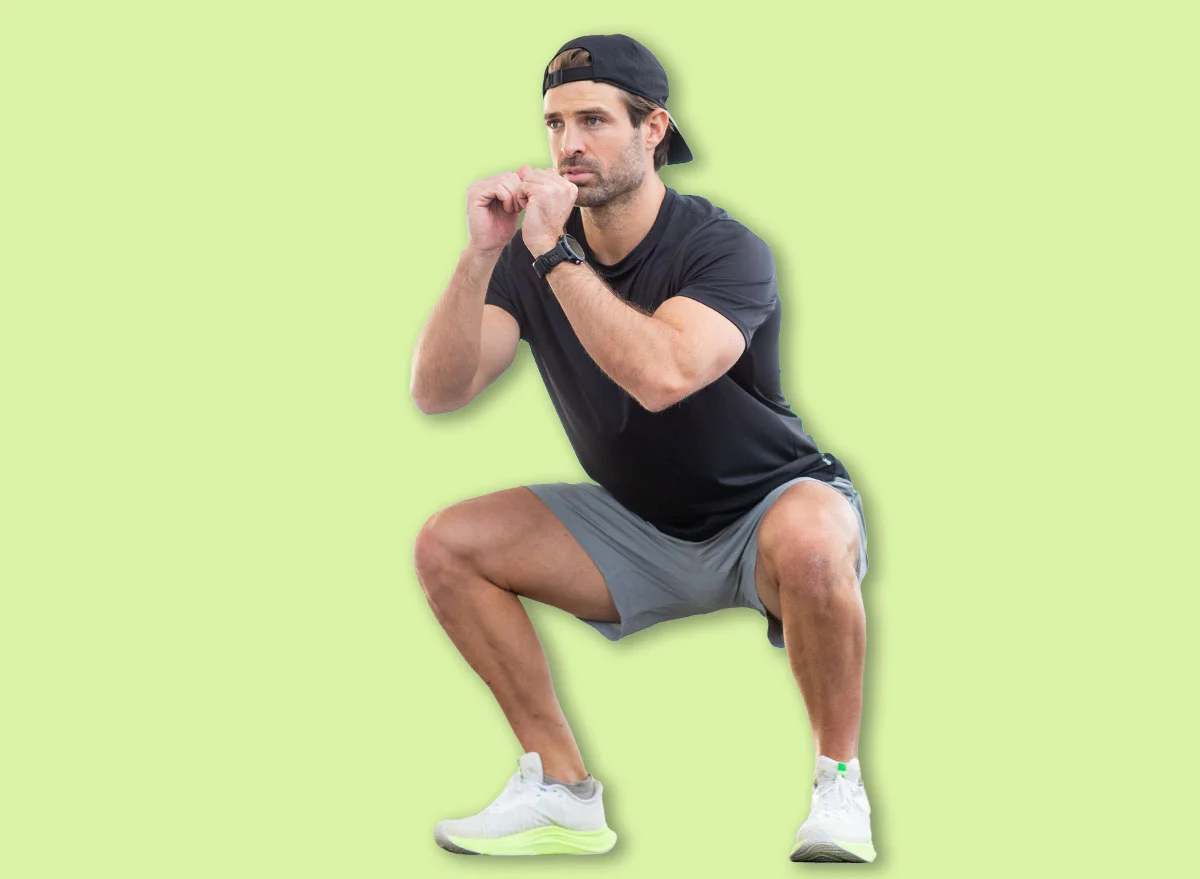
2. Bodyweight Squats: The Foundation of Independence
Leg strength is arguably the most reliable predictor of long-term independence. A man who can comfortably squat to the floor and stand back up without assistance is a man who can navigate the world with confidence.
The Impact on Daily Living
Bodyweight squats engage the quadriceps, hamstrings, glutes, and the entire core. Because this movement mimics the act of sitting in a chair or rising from a toilet, it is the definition of "functional." Regular practice improves hip mobility and knee stability, which are often the first areas to fail as we age.
Proper Execution
- The Stance: Place feet shoulder-width apart, toes pointed slightly outward.
- The Descent: Initiate the movement by pushing your hips back as if you are sitting into a chair. Keep your chest up and your weight centered on your heels.
- The Ascent: Drive through your heels, engaging your glutes to return to a standing position. Ensure your knees track in line with your toes throughout the entire movement.
3. The Bird Dog: Restoring Spinal Health
For men who spend long hours at a desk or behind the wheel, the lower back often becomes a site of chronic tension and pain. The Bird Dog is an exercise designed to stabilize the spine while improving cross-body coordination.
The Science of Stability
The Bird Dog is a "core" exercise in the truest sense—it focuses on the deep stabilizers rather than just the superficial "six-pack" muscles. By balancing on one hand and the opposite knee, you force the deep spinal muscles to work overtime. This prevents the "sway-back" posture that often develops in middle age.
How to Execute
- The Position: Start on all fours with your wrists under your shoulders and knees under your hips.
- The Motion: Simultaneously extend your right arm forward and your left leg backward. Keep your hips level—do not let them tilt.
- The Hold: Pause for 2–3 seconds at the top, focusing on squeezing your glute and engaging your core, then return to the start. Repeat on the opposite side.
4. The Farmer’s Carry: Building "Real-World" Strength
If there is one exercise that translates most directly to the "real world," it is the Farmer’s Carry. This movement involves walking for a set distance while holding heavy objects in each hand.
Supporting Data on Grip Strength
Clinical studies have long suggested that grip strength is a reliable biomarker for overall health and longevity. The Farmer’s Carry improves grip, but it also trains "dynamic stability"—the ability to maintain an upright posture while carrying an asymmetrical load.
Proper Execution
- The Load: Choose two dumbbells or kettlebells that are heavy but manageable.
- The Walk: Stand tall, retract your shoulder blades, and keep your core braced. Walk with a steady, controlled stride for 30 to 60 seconds.
- The Benefit: This exercise strengthens the entire posterior chain and develops the traps and forearms, all while improving your walking endurance.
5. Single-Leg Balance: The Fall Prevention Protocol
Falls are a leading cause of injury for men as they enter their 60s and beyond. Balance is a perishable skill; if you don’t challenge it, your body’s nervous system gradually loses the ability to make the micro-adjustments necessary to stay upright.
The Daily Minute
Standing on one leg for 60 seconds per day may seem trivial, but it is one of the most proactive measures a man can take. It forces the ankles, hips, and core to work in unison to maintain the center of gravity.
How to Execute
- The Drill: Stand near a wall or counter for safety. Lift one foot off the ground.
- The Goal: Try to hold your balance for 30–60 seconds without touching the surface.
- Progression: Once you can do this easily, try closing your eyes. Removing visual input forces your inner ear and proprioceptive system to work much harder.
Implications for the Future
The philosophy presented by experts like Tyler Read is one of empowerment. Aging is not a process of losing capabilities; it is a process of changing how we maintain them. By dedicating just 15 to 20 minutes a day to these five movements, men over 50 can effectively counteract the sedentary nature of modern life.
The implications are clear: a commitment to functional, consistent, and sustainable movement leads to a higher quality of life. The goal is to move with the ease of a younger man while possessing the wisdom and strength of a veteran of life. Start small, maintain consistency, and focus on the quality of your movement—your body will thank you for the next several decades.