For many, the years following age 55 bring a frustrating physical reality: no matter how many crunches are performed, a stubborn bulge persists around the midsection. For decades, conventional fitness wisdom suggested that the path to a flat stomach was paved with endless abdominal exercises. However, according to experts in the field, this "spot-reduction" approach is not only ineffective but fundamentally misaligned with the physiological shifts occurring in the aging body.
As a personal trainer with nearly 40 years of experience and two decades at the helm of TRAINFITNESS, I have observed a consistent pattern: the key to reclaiming your waistline after 55 does not lie on a yoga mat, but rather on your feet. By integrating specific standing movements with strategic dietary adjustments, individuals can shift visceral fat more reliably than by performing hundreds of floor-based repetitions.
The Biology of the "Middle-Age Shift"
To understand why the body changes shape after 55, we must first move beyond the outdated concept of "willpower." The transformation of the midsection is primarily driven by three biological factors: hormonal fluctuations, muscle mass degradation, and metabolic stressors.
Hormonal Shifts
As we enter our mid-50s, the endocrine system undergoes a significant transition. For women, the decline in estrogen levels often causes fat distribution to shift from the hips and thighs toward the abdomen. Similarly, for men, a gradual decline in testosterone levels can lead to a decrease in lean muscle mass and a simultaneous increase in central adiposity. This is a natural, biological response, not a failure of character. Consequently, the high-intensity, low-recovery training methods that worked in our 30s often prove counterproductive in our 50s and 60s.
The Muscle-Metabolism Connection
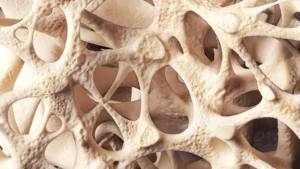
Perhaps the most overlooked factor is sarcopenia—the age-related loss of muscle mass. Muscle is metabolically expensive tissue; it burns calories even when the body is at rest. When we lose muscle, our "metabolic baseline" drops. This means that if you continue to eat the same amount of food you did in your 40s, you will inevitably gain weight because your body no longer has the same capacity to process that energy. The solution is not to starve the body, but to rebuild the furnace—our muscles.
Stress and the Cortisol Trap
Finally, the "hidden" culprit is cortisol. Sleep patterns often become more fragmented after 55, and the cumulative stress of career, caregiving, and life changes raises baseline cortisol levels. High cortisol is notoriously linked to the accumulation of visceral fat—the deep fat that wraps around the organs. Addressing sleep hygiene and stress management is often the "secret" to losing belly fat without adding a single extra hour at the gym.
Why Standing Exercises Outperform Floor Work
The shift from floor-based exercises to standing routines is rooted in basic biomechanics and caloric efficiency.
Multi-Joint Engagement
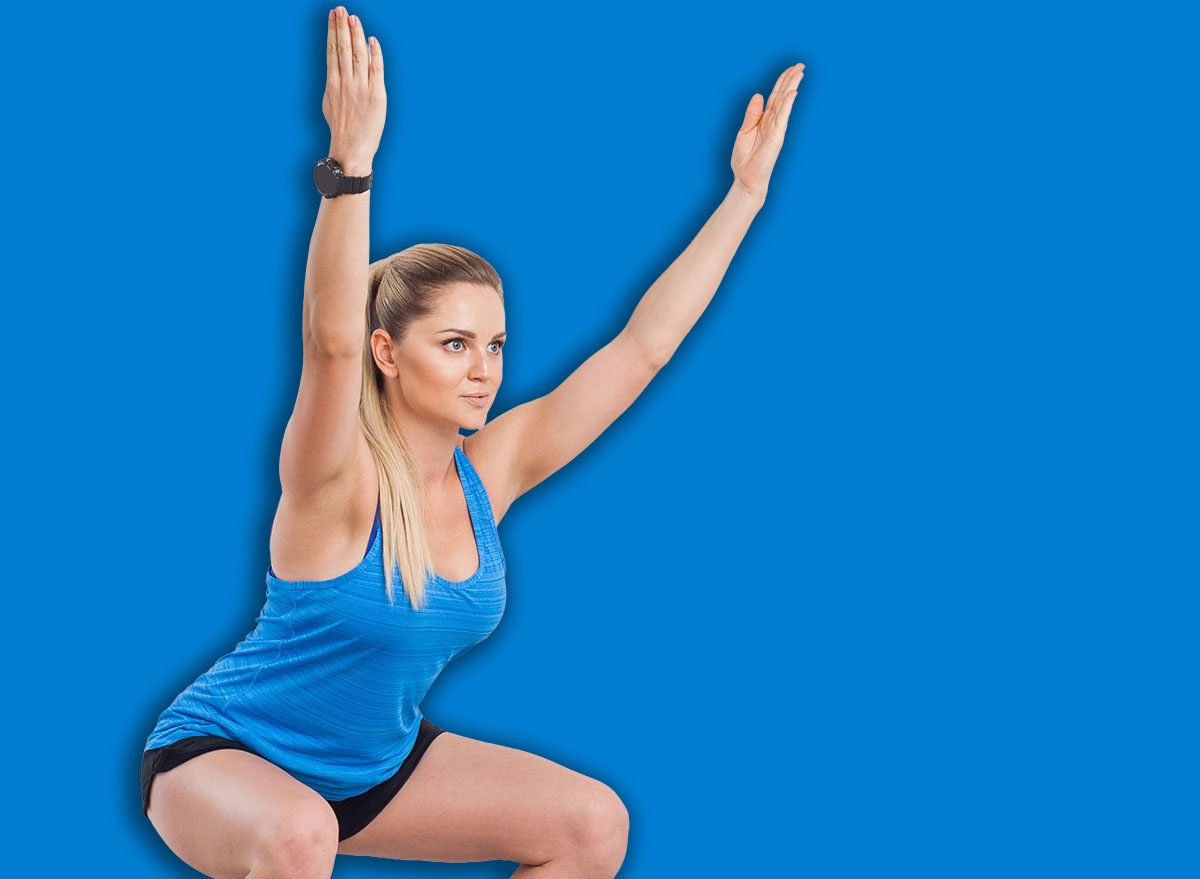
A standard floor crunch targets a small, isolated strip of abdominal muscle. In contrast, a standing squat with an overhead reach engages the legs, glutes, core, shoulders, and back simultaneously. By recruiting larger muscle groups, the body burns significantly more calories per minute. When you work the whole body as a kinetic chain, the core is forced to stabilize against gravity, which is its primary function in real-world movement.

Accessibility and Consistency
A major barrier to fitness for older adults is the physical difficulty of getting onto and off the floor. If a workout program is perceived as cumbersome or painful to start, it is unlikely to be sustained. Standing routines stay in one position, removing the barrier of entry and significantly increasing adherence rates. Consistency, after all, is the most important variable in any fitness equation.
Spinal Health and Functional Strength
Most people spend the majority of their day in a seated position, which encourages spinal flexion (slumping). Adding more crunches—which are essentially repetitive spinal flexion—can exacerbate back pain and poor posture. Standing trunk exercises, however, train the core to hold the spine in a neutral, protected position while the limbs move, effectively building the strength needed to stand tall and move pain-free.
The Five Essential Standing Movements
The following circuit is designed to be performed 4–5 days a week. By focusing on compound movements, you maximize your caloric burn while building functional strength.
1. The Squat to Overhead Reach
This movement is the foundation of full-body engagement. It targets the quadriceps and glutes while requiring the upper back and shoulders to stabilize the overhead position. The reach also serves to lengthen the spine, counteracting the "hunch" developed from prolonged sitting.

2. The Reverse Lunge with Arm Reach
By working one leg at a time, you double the stability requirement, forcing the core to work harder to maintain balance. The arm reach adds a unilateral load, which builds the diagonal core strength necessary for a defined waistline.
3. Standing Knee to Opposite Elbow
This is the standing equivalent of the bicycle crunch. By rotating the torso and bringing the knee to the opposite elbow, you target the obliques. These diagonal muscles are responsible for pulling the waist in, and they respond exceptionally well to rotational, rather than flexion-based, movements.
4. Lateral Lunge with Side Reach
We move through life in three planes, but most exercise is limited to forward-and-backward movement. The lateral lunge works the hips and inner thighs, while the side-bend stretch targets the obliques on the working side. This is vital for mobility and preventing the "thickening" of the waist that occurs when side-to-side strength is neglected.
5. Standing March with Arm Punches
This provides the essential cardio component for fat loss. By punching the air while marching, you introduce a rotational force that forces the deep core muscles to contract rapidly to protect the spine. It raises the heart rate without the impact of running, making it ideal for joint health.

Structuring Your Week for Success
The efficacy of this routine relies on the "Time-Under-Tension" principle. Perform each exercise for 45 seconds, followed by 15 seconds of rest. Complete one full round (five minutes total), take a 30-second breather, and repeat the sequence three times.
- Frequency: Aim for 4–5 sessions per week. Three is the absolute minimum to see physiological change.
- Supplement with Walking: A 30–45 minute walk on non-workout days helps regulate cortisol and increases non-exercise activity thermogenesis (NEAT).
- Strength Training: Two days of dedicated resistance training (using weights or resistance bands) will accelerate the metabolic shift by building muscle density.
Nutritional Pillars: Supporting the Change
You cannot out-train a poor diet, especially after 55. The most impactful changes are simple:
- Prioritize Protein: Aim for 25–30 grams of protein at every meal (eggs, Greek yogurt, fish, beans). Protein increases satiety and protects the muscle tissue you are working so hard to build.
- Eliminate Ultra-Processed Snacks: Crisps, biscuits, and sugary snacks provide empty calories that do not trigger fullness signals. Replace these with whole foods like nuts, cheese, or fruit.
- Moderate Alcohol Intake: Alcohol consumption is a leading cause of midsection fat in the 55+ demographic. Reducing intake can have an almost immediate visual impact on the waistline.
- Avoid Meal Skipping: Skipping meals causes blood sugar volatility and spikes cortisol. Eating consistent, protein-rich meals prevents the late-night hunger spikes that lead to poor snacking choices.
The 6-Week Timeline: What to Expect
Fitness is a marathon, not a sprint, but the body does provide feedback if you listen.
- Weeks 1–2: You will likely notice a change in how your clothes fit. This is often due to the reduction of water retention and inflammation as your body responds to increased movement and better hydration.
- Weeks 3–4: Actual fat loss begins to accelerate. A safe, sustainable rate of loss is roughly one pound per week. Losing weight faster than this often risks muscle loss, which will hinder your metabolism in the long term.
- Weeks 5–6: The visual changes become apparent. Posture improves, the waistline often drops by half an inch or more, and your energy levels will stabilize.
At the six-week mark, you will have moved past the initial adaptation phase. This is the moment to reinforce the habit. Remember: the belly fat you are working to remove did not appear overnight, and it will take months of consistency to fully reverse. By focusing on functional, standing strength and high-quality nutrition, you aren’t just "trimming down"—you are building a body that is stronger, more mobile, and more metabolically active for the decades to come.