









In the quiet corners of our healthcare systems, a silent epidemic is unfolding. Osteopenia, characterized by a decrease in bone mineral density that falls below normal but has not yet reached the threshold of osteoporosis, currently affects an estimated 40% of adults worldwide. Often dismissed as a natural consequence of aging, this condition is, in reality, a critical health marker that serves as a pivotal point for intervention.
For many, osteopenia is a hidden reality. It presents without symptoms, leaving individuals unaware of their diminishing skeletal integrity until a routine scan or, more distressingly, a fragility fracture occurs. With over 500,000 fractures attributed to low bone density annually in the UK alone, the socio-economic and personal toll of this condition is profound.
The Science of Our Skeletal Foundation: The Remodeling Process
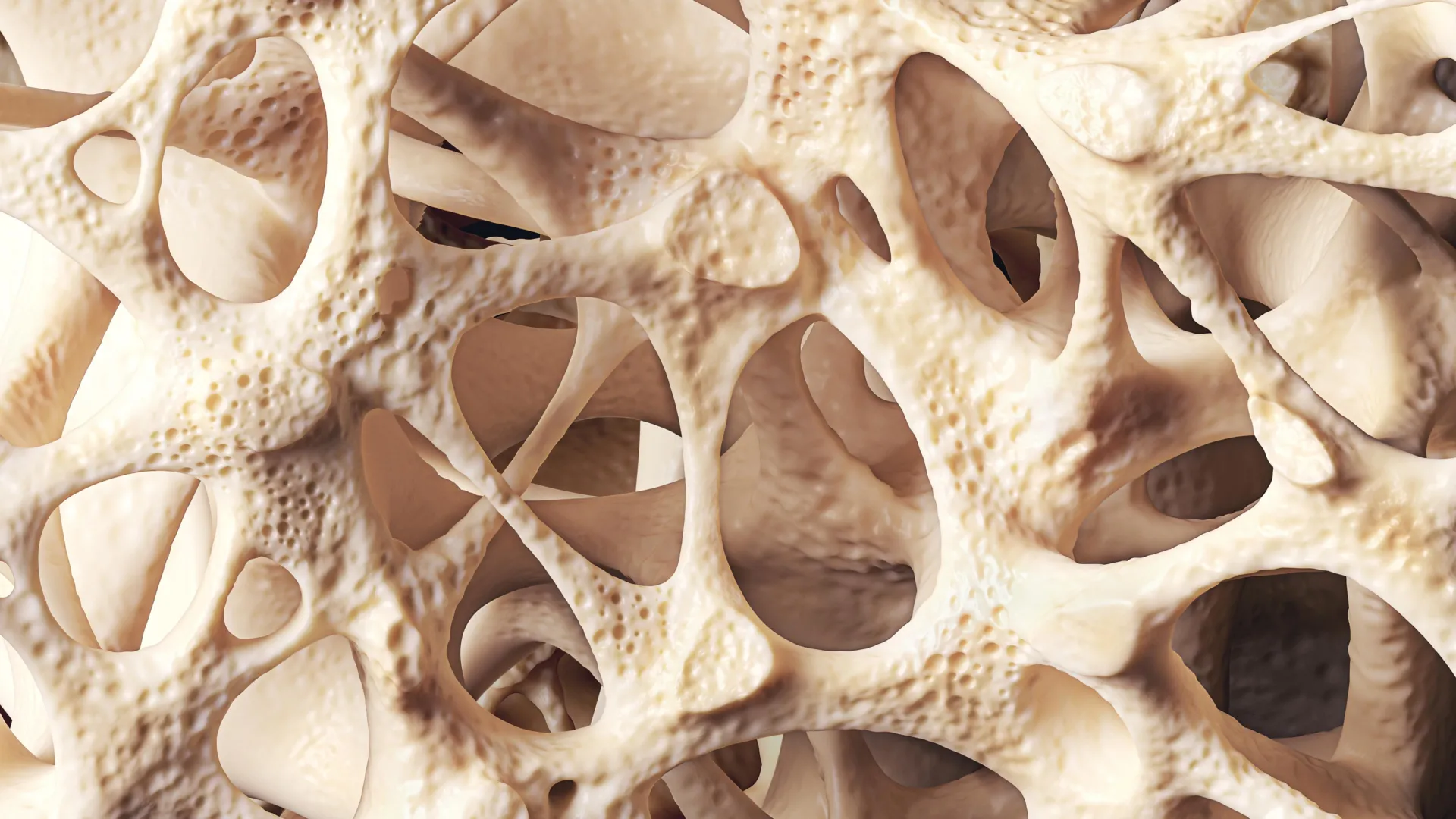
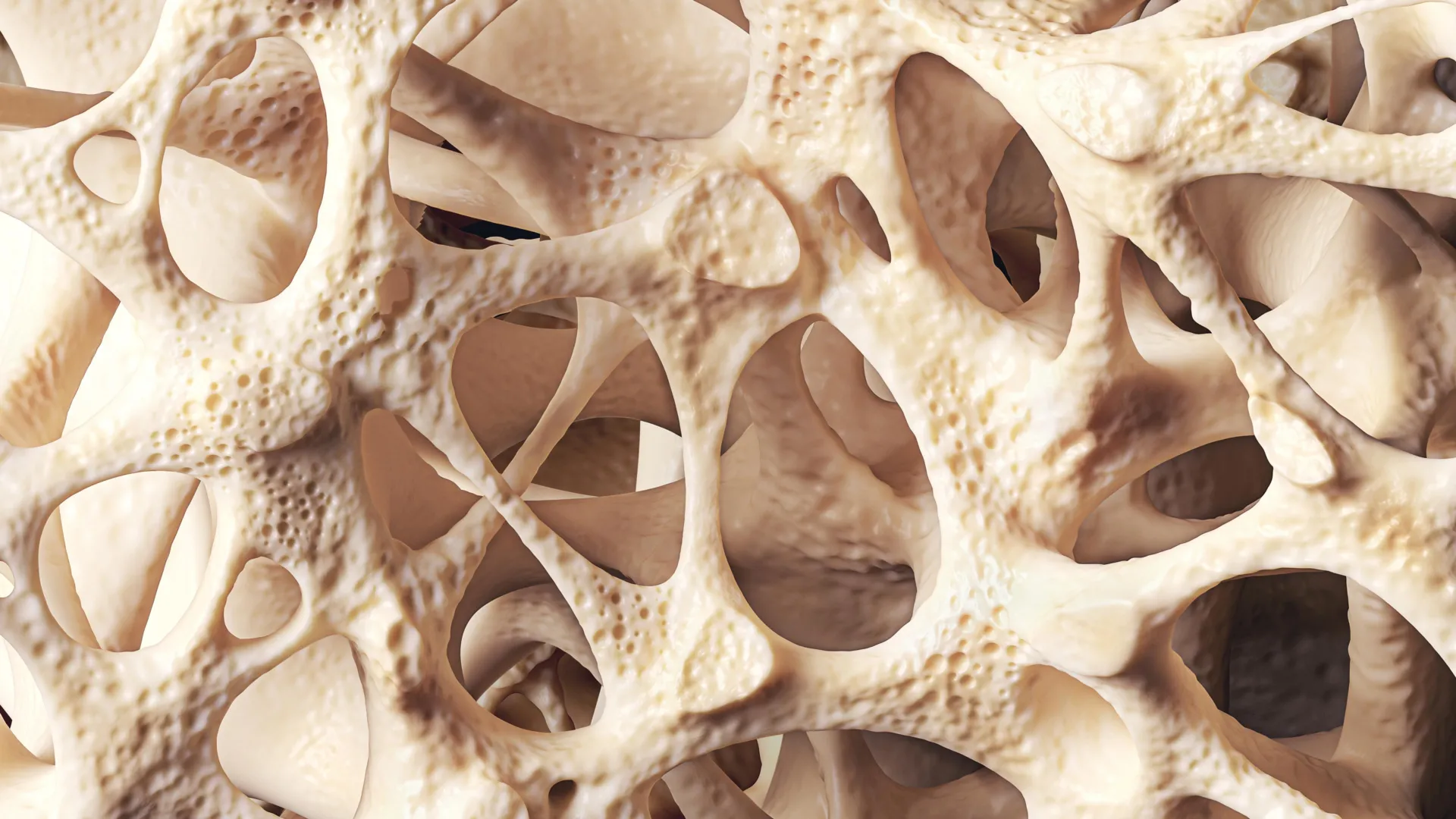
To understand osteopenia, one must first understand that bone is not a static structure; it is a living, dynamic tissue. Throughout our lives, our skeleton undergoes a continuous process of renewal known as bone remodeling. In this cycle, specialized cells break down old or damaged bone tissue—a phase called resorption—while other cells simultaneously deposit new mineralized bone, known as formation.
The Peak Bone Mass Milestone
During our early years, the body is highly efficient at this renewal. From childhood through our mid-20s and early 30s, bone formation typically outpaces or matches resorption, allowing us to accumulate "peak bone mass." This peak serves as a biological savings account; the higher the density achieved during these formative years, the better protected an individual is against future bone loss.
However, once we pass this physiological peak, the balance shifts. The natural aging process results in a gradual decline where bone resorption begins to exceed formation. While this is a universal human experience, the rate at which this decline occurs is dictated by a complex interplay of genetics, hormonal health, lifestyle choices, and underlying medical conditions.
Chronology of Bone Health: From Maturity to Vulnerability
The timeline of bone health is largely defined by decades of cumulative exposure to various stressors.
- Early Adulthood (Ages 20–35): The focus is on consolidation. This is the window where exercise and optimal nutrition—specifically adequate calcium and vitamin D intake—are most effective at maximizing the structural integrity of the skeleton.
- The Transition Years (Ages 40–55): As hormonal shifts occur, particularly for women approaching and moving through menopause, the protective influence of estrogen wanes. Estrogen is vital for bone health, as it serves to inhibit the overactive breakdown of bone. Its decline often triggers a accelerated period of density loss.
- The Senior Years (Ages 60+): At this stage, the accumulation of lifestyle factors (smoking, alcohol, inactivity) and chronic health conditions, such as coeliac disease or Crohn’s, may have significantly thinned the bone microarchitecture. Without intervention, the risk of "fragility fractures"—breaks resulting from low-impact incidents like a minor trip—increases exponentially.
Supporting Data: The Scale of the Crisis
The statistics surrounding low bone density are sobering. Research indicates that approximately one in two women over the age of 50 will suffer a fragility fracture in their lifetime. This is not merely a "women’s health" issue; men are also significantly affected, though often later in life.
Data from dual-energy X-ray absorptiometry (DXA) scans—the gold standard for measuring bone mineral density—provide the diagnostic framework. Results are interpreted via T-scores:
- Normal: T-score of -1.0 or higher.
- Osteopenia: T-score between -1.0 and -2.5.
- Osteoporosis: T-score below -2.5.
The danger lies in the "grey zone" of osteopenia. Because patients in this category do not yet meet the diagnostic criteria for osteoporosis, they are often excluded from aggressive pharmacological interventions, yet they remain at a heightened risk compared to the general population. This "diagnostic limbo" underscores the necessity for proactive management rather than reactive treatment.
Modifiable Risks: The Power of Lifestyle Intervention
While age is an immutable risk factor, a significant portion of our bone health remains within our control. Clinical consensus emphasizes that while we cannot stop time, we can drastically alter the trajectory of bone loss through targeted lifestyle modifications.
Movement as Medicine
Weight-bearing and resistance exercises are the cornerstones of skeletal preservation. When we engage in activities like brisk walking, dancing, or jogging, the mechanical strain placed on the skeleton signals the body to deposit more minerals into the bone matrix. Resistance training—using weights or resistance bands—further strengthens the muscles surrounding the joints, which in turn protects the bones.
Beyond density, exercise provides a secondary layer of protection: balance. Practices like Tai Chi have been clinically proven to improve proprioception and muscle strength, significantly reducing the frequency of falls. For an elderly individual, the difference between a fall and a fracture is often a matter of core stability and reaction time.
Nutritional Architecture
A bone-healthy diet is not just about calcium; it is a holistic approach to metabolic health. Calcium provides the raw materials for bone mineral, while vitamin D acts as the vital key that allows the body to absorb that calcium. In many northern latitudes, such as the UK, vitamin D deficiency is rampant due to limited sunlight, making supplementation a vital public health recommendation for many.
Conversely, lifestyle choices such as smoking and excessive alcohol consumption act as systemic toxins that impair the body’s ability to build bone. The cumulative effect of these habits over decades is often the deciding factor in whether an individual develops clinical osteoporosis.
Official Perspectives: Shifting the Paradigm
Health authorities and organizations, such as the Royal Osteoporosis Society, are increasingly advocating for a shift in how we view osteopenia. It should no longer be viewed as a "pre-disease" or a mild condition, but as a critical window of opportunity.
Clinicians are now moving toward a more nuanced risk assessment model. Instead of relying solely on the T-score of a DXA scan, physicians utilize tools like the FRAX (Fracture Risk Assessment Tool). This tool calculates the ten-year probability of a major fracture by integrating a patient’s T-score with other variables: family history, glucocorticoid use, rheumatoid arthritis, and smoking history.
If the risk score is high, clinicians may initiate pharmacological treatments, such as bisphosphonates. These antiresorptive medications work by slowing the rate at which old bone is broken down, effectively "buying time" for the body to maintain its structural integrity. While these drugs were traditionally reserved for osteoporosis, their use in high-risk osteopenic patients is becoming a vital strategy for preventing the first fracture before it happens.
Implications: The Long-Term Outlook
The narrative surrounding osteopenia is one of empowerment. It is essential to recognize that the transition from osteopenia to osteoporosis is not a biological inevitability. Many individuals, through a combination of early detection, improved nutrition, and regular physical activity, can stabilize their bone density. In some cases, the condition can even be reversed.
However, the primary implication for the public is the need for a shift in perspective. Bone health must be treated with the same vigilance as cardiovascular health. Just as we monitor blood pressure and cholesterol, we must begin to monitor our skeletal density as we enter our 40s and 50s.
The Path Forward
The future of bone health lies in early intervention and consistent, long-term maintenance. By treating our bones as the living, responsive tissues they are, we can drastically reduce the global burden of fractures.
We must move away from the belief that bone loss is merely an inevitable symptom of the aging process. Instead, we must embrace the reality that our bones are a reflection of our cumulative lifestyle choices. By fostering a culture of movement, ensuring adequate nutrition, and engaging in regular medical screenings, we can ensure that our "internal framework" remains strong enough to support an active, healthy, and independent life well into our later years.
Prevention is, and will always be, the most effective strategy. The health of your bones tomorrow is being decided by the choices you make today.