









An international research team has unlocked a critical mystery behind non-healing chronic wounds, revealing a novel therapeutic pathway that bypasses the need for traditional antibiotics.
Chronic wounds—such as diabetic foot ulcers, pressure injuries, and venous leg ulcers—represent a silent, mounting epidemic in global healthcare. For the millions of individuals suffering from these long-lasting lesions, the condition is not merely a physical ailment; it is a cycle of recurring infections, debilitating pain, and the looming threat of amputation.
Now, a pioneering study led by Nanyang Technological University, Singapore (NTU Singapore), in collaboration with the University of Geneva, has identified a sophisticated mechanism by which common bacteria sabotage the human body’s natural repair systems. By shifting the focus from killing bacteria to neutralizing their metabolic "byproducts," researchers have opened the door to a new generation of wound-healing treatments.
The Scope of the Crisis: A Global Health Challenge
Chronic wounds are defined as wounds that do not progress through the normal stages of healing, often remaining open for weeks, months, or even years. The scale of the issue is staggering. Globally, approximately 18.6 million people are afflicted with diabetic foot ulcers annually. With the rising prevalence of diabetes, it is estimated that one in three patients will face a foot ulcer at some point in their lifetime.
In Singapore, the situation is similarly concerning, with more than 16,000 cases reported annually. The impact is most pronounced among the aging population and those living with diabetes. When these wounds become infected, the prognosis worsens significantly. Ongoing infections create an environment that inhibits tissue regeneration, often leading to lower limb amputations—a life-altering outcome that drastically reduces a patient’s quality of life and imposes a massive burden on healthcare systems.
The difficulty in treatment is exacerbated by the rise of antibiotic-resistant bacteria. As traditional pharmacological interventions lose their efficacy, clinicians are increasingly desperate for alternative strategies to manage these stubborn, infection-prone sites.
Unveiling the Enemy: The Role of Enterococcus faecalis
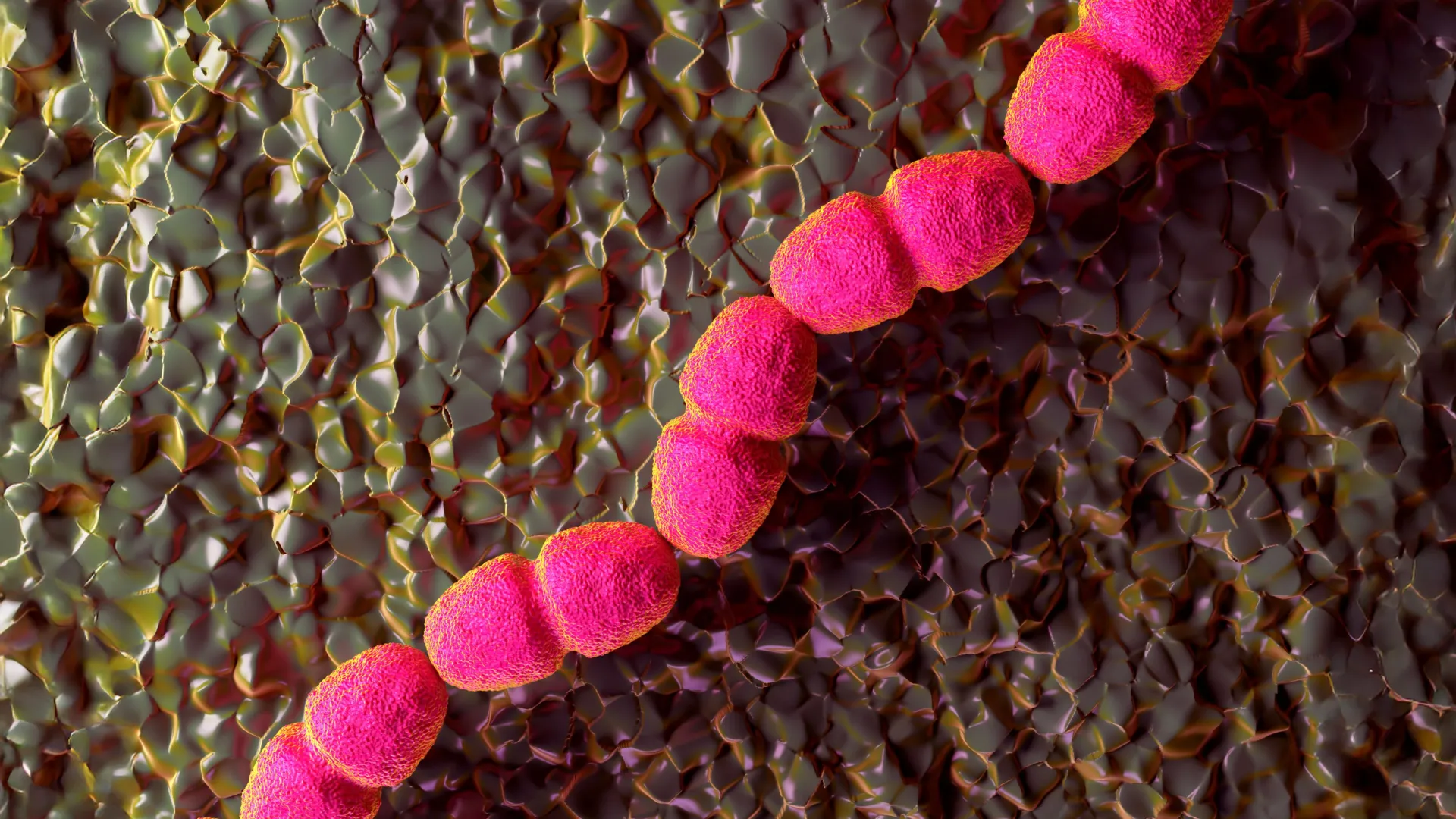
For decades, the medical community has understood that bacterial infection delays healing, but the specific biological "sabotage" mechanisms have remained elusive. The breakthrough study, published in the prestigious journal Science Advances, sheds light on the behavior of Enterococcus faecalis (E. faecalis), an opportunistic pathogen frequently isolated from chronic, non-healing wounds.
While many pathogens rely on secreting potent toxins to damage host tissue, E. faecalis employs a more subtle, metabolic approach. The research team, led by NTU Associate Professor Guillaume Thibault and Professor Kimberly Kline of the University of Geneva, discovered that E. faecalis utilizes a metabolic process known as extracellular electron transport (EET).
The "Metabolic Weapon"
The study found that E. faecalis acts as a metabolic disruptor. Through the EET pathway, the bacterium continuously generates hydrogen peroxide—a highly reactive oxygen species (ROS)—as a byproduct. In a healthy wound environment, the body manages oxidative stress; however, the persistent, high-level production of hydrogen peroxide by E. faecalis overwhelms the local environment, inducing severe oxidative stress in surrounding human skin cells.
The Paralyzing Effect
The impact on human cells is profound. Specifically, the study focused on keratinocytes, the primary cells responsible for the re-epithelialization—or the "sealing"—of a wound. When exposed to the hydrogen peroxide generated by the bacteria, these keratinocytes trigger a protective biological response known as the "unfolded protein response" (UPR).
Under normal physiological conditions, the UPR helps cells cope with stress by slowing down protein synthesis, allowing the cell to prioritize survival over growth. However, in the presence of E. faecalis, this response is pushed into a state of chronic activation. The UPR effectively "paralyzes" the keratinocytes, preventing them from migrating across the wound bed to close the lesion. The cells become trapped in a state of self-preservation, unable to perform their primary duty of tissue repair.
Research Methodology and Key Findings
The research team utilized a rigorous, multi-staged approach to validate their hypothesis.
- Identifying the Pathway: By observing the interaction between E. faecalis and skin cells in laboratory settings, the team tracked the production of ROS and the subsequent activation of the UPR in keratinocytes.
- Genetic Verification: To confirm that the EET pathway was the culprit, researchers utilized a genetically modified strain of E. faecalis that lacked the ability to perform extracellular electron transport. As predicted, this mutant strain produced significantly lower levels of hydrogen peroxide, and crucially, it lost the ability to block the migration of skin cells.
- Reversal of Damage: The final, most transformative stage of the experiment involved the application of catalase—a naturally occurring antioxidant enzyme known for its ability to rapidly break down hydrogen peroxide. When the team applied catalase to the stressed skin cells, the ROS levels plummeted, and the cells immediately regained their motility, resuming the migration necessary to close the wound.
Official Responses and Expert Perspectives
Associate Professor Guillaume Thibault, the study’s lead and Assistant Dean at the NTU College of Science, emphasized the significance of shifting the paradigm from bacterial eradication to metabolic neutralization.
"Our findings show that the bacteria’s metabolism itself is the weapon, which was a surprise finding previously unknown to scientists," said Assoc Prof Thibault. "Instead of focusing on killing the bacteria with antibiotics, which is becoming increasingly difficult and leads to future antibiotic resistance, we can now neutralize it by blocking the harmful products it generates and restoring wound healing."
The implications of this shift are monumental. By targeting the byproduct of the bacteria rather than the bacteria themselves, clinicians may be able to treat infections without contributing to the growing global crisis of antibiotic resistance.
"Instead of targeting the source, we neutralize the actual cause of the chronic wounds—the reactive oxygen species," Thibault added.
Professor Kimberly Kline, who serves as a visiting professor at the Singapore Centre for Environmental Life Sciences and Engineering (SCELSE), underscored the direct relevance of these findings to human physiology. Because the mechanism was successfully demonstrated in human skin cells, the pathway is highly likely to be translatable into human clinical practice.
Future Implications: From Bench to Bedside
The study provides a clear roadmap for the development of next-generation wound care products. The researchers suggest that the most immediate application of their findings would be the development of specialized wound dressings.
The "Antioxidant Dressing"
By infusing bandages or hydrogels with catalase or other targeted antioxidants, medical professionals could create a "chemically intelligent" wound dressing. These dressings would act as a sponge, soaking up the excess hydrogen peroxide generated by E. faecalis and creating a hospitable environment for skin cells to resume their work.
Because enzymes like catalase are already well-understood, widely used in various industries, and considered safe for human application, the researchers believe that this approach could navigate the regulatory and development hurdles significantly faster than the creation of new, novel antibiotics.
The Path Toward Clinical Trials
While the laboratory results are highly promising, the team is now focused on the next stage of development: translational research. Current efforts are underway to study the efficacy of antioxidant-based treatments in animal models. This phase is critical to determining the most effective delivery methods—whether through topical creams, sustained-release dressings, or other therapeutic formats—before moving into human clinical trials.
The successful transition to human trials would mark a major milestone in regenerative medicine. If proven effective in a clinical setting, this strategy could reduce the incidence of amputations, decrease hospital stays for diabetic patients, and provide a robust, reliable tool in the fight against multi-drug resistant infections.
Conclusion
The work led by NTU Singapore and the University of Geneva represents a fundamental shift in our understanding of host-pathogen interactions. By identifying that E. faecalis weaponizes its own metabolism to physically paralyze the body’s repair cells, scientists have moved past the "antibiotic-only" mentality that has dominated wound care for decades.
As the global medical community grapples with the rising threat of antimicrobial resistance, the ability to neutralize the toxic effects of bacteria without the use of traditional antibiotics is not just a scientific curiosity—it is a medical necessity. Through the development of antioxidant-based therapies, the researchers hope to turn the tide against chronic wounds, restoring hope and physical integrity to millions of patients worldwide.
The path ahead involves rigorous testing, but the message is clear: the solution to some of our most complex biological problems may lie not in stronger weapons, but in smarter, more precise interventions.