






Date: 2 July, 2026
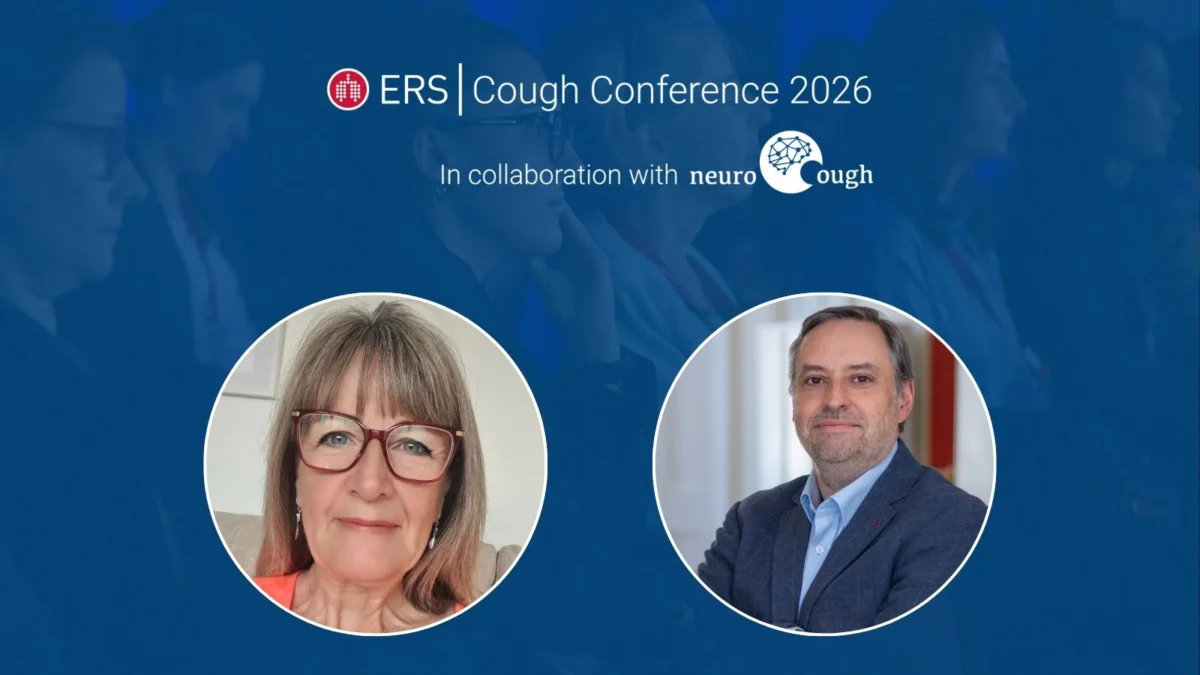
As the global medical community gears up for the inaugural European Respiratory Society (ERS) Cough Conference—scheduled to take place from 15–17 July, 2026, in London and via a digital global broadcast—a fundamental shift in medical discourse is taking place. The conference, which marks a milestone in respiratory research, has made a bold, strategic decision: placing the "lived experience" of patients at the very heart of its scientific and clinical agenda.
This approach is not merely a symbolic gesture; it is a direct response to a growing recognition that clinical data, while vital, is incomplete without the narrative context of the people it seeks to treat. By prioritizing the voices of patients like Andrew Lothian and Ruth Last, the ERS is attempting to redefine the traditional hierarchy of medical expertise, suggesting that patients are not just recipients of care, but essential partners in the development of future therapies.
Main Facts: A New Era for Respiratory Medicine
The ERS Cough Conference represents a landmark event for specialists, researchers, and patients alike. Chronic cough is a condition that, despite its prevalence, often remains misunderstood and poorly managed. The conference aims to address this by fostering a collaborative environment where the scientific rigor of laboratory research meets the raw, day-to-day realities of those living with the symptoms.
Key highlights of the upcoming event include:
- A Hybrid Format: The event will be hosted in London while offering a robust online platform, ensuring accessibility for international delegates.
- The Patient-Centered Mandate: In line with the ERS’s core strategic goal of enhancing patient-clinician partnerships, the conference will feature dedicated sessions where patient advocates will present their insights alongside leading researchers.
- Clinical Objectives: The conference will focus on improving awareness, refining diagnostic criteria, evaluating new pharmacological treatments, and standardizing management protocols for chronic cough.
Chronology: The Road to the 2026 Cough Conference
The trajectory toward this event has been marked by a gradual evolution in how the ERS approaches patient advocacy.
- Early 2024: The ERS identifies "enhanced partnership with patients" as a primary strategic pillar for its three-year plan, recognizing that isolated clinical studies were failing to capture the patient burden.
- Late 2025: Planning for the first-ever Cough Conference begins, with a steering committee explicitly tasked with integrating patient speakers into the scientific program.
- Early 2026: Andrew Lothian and Ruth Last are selected as lead patient advocates. Their preparation includes working with clinicians to ensure their testimonies provide actionable insights for researchers.
- July 15–17, 2026: The Conference convenes in London, setting the stage for what organizers hope will be a global paradigm shift.
- September 2026 (Forthcoming): The lessons learned from the Cough Conference are set to be scaled up at the ERS Congress in Barcelona, which will be themed "United for better breathing: partnership between patients, clinicians and researchers."
Supporting Data: Why Patient Voice Matters
The necessity of this conference is rooted in the "missing link" between clinical efficacy and patient quality of life. Chronic cough is notoriously difficult to measure. A clinician can track the frequency of a cough, but they cannot easily quantify the emotional exhaustion, social isolation, or physical strain that accompanies the condition.
Patient input at this conference is expected to provide three critical data points that traditional trials often overlook:
- The Impact of Comorbidities: Understanding how chronic cough interacts with daily social interactions and mental health.
- Unmet Needs: Highlighting where current treatments fail to provide symptomatic relief or where side effects outweigh the benefits.
- Treatment Adherence: Providing insights into why patients may abandon certain treatment regimens, thereby helping researchers design more user-friendly interventions.
Official Responses: Insights from the Experts
The Patient Perspective: Andrew Lothian and Ruth Last
For the patient speakers, the platform provided by the ERS is an opportunity to bridge a significant divide.
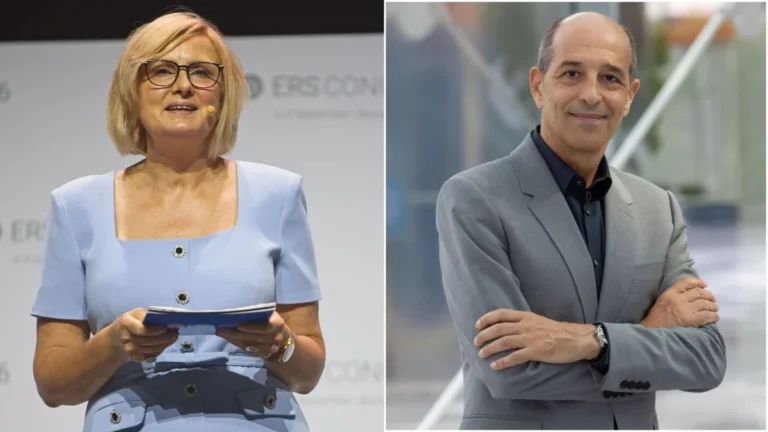
"I feel privileged to have been asked to provide input on the patient experience," said Andrew Lothian. "I hope that the incorporation of the patient perspective will lead the delegates to a more rounded and holistic understanding of chronic cough. I also hope that sharing my personal perspective might contribute to improving awareness, diagnosis, treatment, and management."
Lothian emphasizes the mutual benefit of this exchange: "From a personal perspective, I am looking forward to meeting clinicians and understanding both the opportunities and challenges that they face in their professional practice."
Ruth Last, who will also be presenting, highlights the "human" deficit in modern medicine. "The advancement of clinical knowledge and research are absolutely crucial components for the professional community, but they can only ever tell part of the story," Last noted. "Giving patients a platform and voice allows delegates to be introduced to the more human perspective, including the day-to-day reality of living with respiratory disease—its physical, emotional and social impact—in ways that studies and data alone would never fully capture."
The Clinical Perspective: Prof. Fan Chung and Prof. Omar Usmani
The ERS leadership has been vocal in their support for this collaborative model.
"First and foremost, we thank Ruth and Andrew for taking part," said Prof. Fan Chung, Co-Chair of the Conference. "Placing lived experience at the centre of scientific discussions is essential to advancing clinical understanding. Patient testimony helps to inform researchers and clinicians about the impact of chronic cough on an individual’s daily life; lived experience complements professional and scientific expertise."
Prof. Omar Usmani, ERS Science Council Chair and fellow Co-Chair, views this as part of a wider, systemic change. "These are just some of the reasons why the ERS is committed to enhancing patient-professional partnerships," Usmani explained. "This is a strategic aim that will also become reality on a global scale this year at the ERS Congress in Barcelona through its theme, ‘United for better breathing—partnership between patients, clinicians and researchers.’"
Implications: A Shift Toward Empathy and Efficiency
The implications of this conference extend far beyond the three-day event in London. By fostering a culture where patients feel like "partners" rather than "subjects," the medical community stands to gain several long-term benefits.
Challenging Clinical Assumptions
Clinicians often operate within the constraints of established protocols. However, as Andrew Lothian pointed out, the patient contribution could "challenge assumptions and highlight unmet needs." When a patient describes the reality of their condition, it forces researchers to look beyond the numbers. For instance, a drug that effectively suppresses a cough might still be viewed as a failure if it causes cognitive fog that prevents a patient from working. Hearing this directly from patients can pivot research toward more balanced outcomes.
Combating Patient Isolation
One of the most profound impacts of this initiative is the validation of the patient experience. Many living with chronic respiratory issues feel isolated or misunderstood. When a major organization like the ERS treats patient testimony with the same gravity as a randomized controlled trial, it changes the power dynamic of the doctor-patient relationship. It encourages patients to take an active role in their care and fosters a sense of agency that is often lost in chronic illness.
Setting a Global Standard
The move to institutionalize patient partnerships is a signal to other medical societies. The ERS is essentially creating a blueprint for how professional medical bodies should engage with their stakeholders. By moving from "patient-centered" (doing things for patients) to "patient-partnered" (doing things with patients), the ERS is setting a new benchmark for global health standards.
Conclusion
The 2026 ERS Cough Conference marks a turning point in how medicine approaches chronic illness. By integrating the lived experience of patients into the scientific narrative, the ERS is not just hoping to find better treatments—it is aiming to provide better care.
As the conference approaches, the message to the global medical community is clear: clinical data is the map, but the patient experience is the territory. Only by navigating both can we hope to achieve the goal of "better breathing" for all.
For more information on the conference, including registration details and the full program, please visit the official ERS Cough Conference portal.
To explore the ERS’s broader strategic objectives, including their ongoing commitment to patient-professional partnerships, visit the official ERS website.