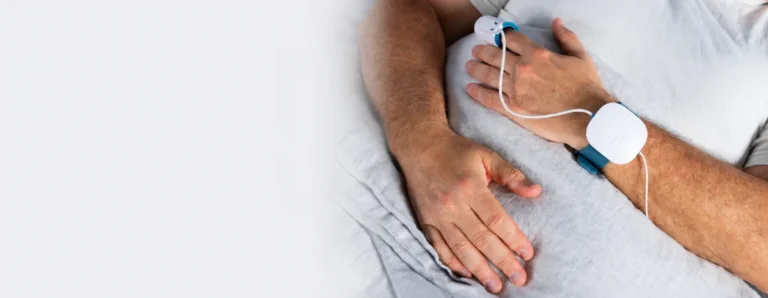












In an era defined by 24-hour connectivity, the blue light of smartphone screens, and the mounting pressures of modern professional life, the universal struggle for a restful night’s sleep has reached a boiling point. Sleep is no longer a guaranteed biological necessity for millions; it has become a luxury that many are attempting to purchase through a growing pharmacy of prescription pills, over-the-counter (OTC) supplements, and increasingly, cannabis-based products.
A comprehensive data analysis by the Centers for Disease Control and Prevention (CDC) has laid bare the scale of this phenomenon: nearly 13% of U.S. adults reported using some form of sleep aid on a daily or near-daily basis within the past month. As the reliance on these substances climbs, public health officials are sounding the alarm, noting that while the desire for rest is understandable, the long-term implications of self-medication are frequently overlooked.
The State of Our Rest: A Statistical Overview
The current landscape of American sleep health is stark. Data indicates that over 30.5% of adults consistently report receiving fewer than seven hours of sleep per night—a threshold widely recognized by medical professionals as the minimum required for cognitive function, emotional regulation, and physical health.
The CDC’s findings for 2024 reveal a nuanced demographic breakdown of how Americans are trying to bridge this sleep gap. While women are statistically more likely than men to utilize traditional pharmaceutical or OTC sleep aids, the divide narrows significantly when examining the use of marijuana and cannabidiol (CBD). The rise in cannabis as a sleep intervention is particularly notable, occurring in lockstep with the wave of state-level legalizations across the country.
Despite the widespread adoption of these aids, the prevalence of sleep-deprived populations suggests a fundamental disconnect: we are treating the symptom of wakefulness without addressing the underlying causes of insomnia.
The Rise of Marijuana as a Sleep Aid: A Complex Trend
The American Academy of Sleep Medicine (AASM) recently released findings from a wide-ranging survey that highlights the complexity of the "marijuana for sleep" trend. The survey suggests that while many consumers report positive subjective experiences, the reality is far more fragmented.
Demographic Shifts and Subjective Benefits
The data reveals distinct patterns in how different populations perceive the effectiveness of cannabis. Interestingly, men were more likely than women to report that marijuana improved their sleep quality (39% versus 28%). Furthermore, the 25–44 age demographic emerged as the most likely group to report a tangible benefit, with 45% of respondents in this bracket claiming that cannabis helped them achieve deeper rest.
However, researchers caution against equating "feeling better" with "sleeping better." The human brain is a master of self-deception, particularly when it comes to the pharmacological effects of substances we believe will help us.
The Psychological and Physiological Paradox
The scientific community maintains that the effects of marijuana on sleep are "multifaceted" and often contradictory. A pivotal 2026 pilot study underscored this by revealing a significant psychological bias: participants who held a strong belief that cannabis would improve their sleep consistently overestimated their total sleep time and how quickly they drifted off. In essence, the placebo effect plays a substantial role in the perceived success of cannabis as a sedative.
Beyond the psychological aspect, the physiological trade-offs are significant. Experts have identified several concerns regarding the long-term use of cannabis for sleep:
- Disruption of Sleep Architecture: While some users may fall asleep faster, cannabis can alter the stages of sleep, potentially reducing the duration of REM (Rapid Eye Movement) sleep, which is critical for memory consolidation and emotional processing.
- Dependency and Tolerance: Regular use can lead to the body requiring higher doses to achieve the same sedative effect, increasing the risk of chemical dependency.
- Daytime Impairment: Residual effects, often referred to as a "sleep hangover," can impact cognitive performance, driving safety, and workplace productivity the following morning.
- Interaction with Mental Health: For individuals with underlying anxiety or depression, cannabis can exacerbate symptoms over time, creating a vicious cycle of poor sleep and worsening mental health.
Chronology of a Shift: From Pharmacies to Plant-Based Trends
The trajectory of sleep aid usage has shifted dramatically over the last decade:
- 2015–2018: The primary focus of sleep aid research remained on prescription hypnotics (such as benzodiazepines and "Z-drugs") and melatonin supplements.
- 2019–2022: As CBD began to saturate the consumer market, public interest in "natural" alternatives skyrocketed, often outpacing clinical research.
- 2023–2025: Legalization efforts expanded rapidly. As recreational marijuana became normalized in various states, the narrative shifted from "medical marijuana for pain" to "marijuana for sleep," leading to the current trends identified by the AASM and CDC.
- 2026 and Beyond: Clinical research has begun to catch up, shifting toward large-scale studies that compare behavioral therapies against chemical interventions, highlighting the efficacy of non-pharmacological approaches.
Expert Recommendations: The Gold Standard of Treatment
Given the mixed results surrounding chemical sleep aids, the medical establishment is urging a return to evidence-based protocols. For chronic insomnia, the gold standard remains Cognitive Behavioral Therapy for Insomnia (CBT-I).
Unlike medication, which acts as a chemical "sledgehammer," CBT-I works by addressing the underlying behavioral and cognitive triggers of sleeplessness. It helps patients restructure the way they think about sleep, identify anxiety-provoking habits, and implement stimulus control techniques that train the brain to associate the bedroom with rest rather than frustration.
"We are seeing a trend where patients want a quick fix in a bottle," notes one sleep specialist. "But sleep is a systemic function. It requires hygiene, behavioral adjustment, and, when necessary, professional medical guidance that goes beyond self-medicating with cannabis or OTC products."
The Foundation of Rest: Implementing Healthy Habits
While medical intervention is vital for those with diagnosed sleep disorders, the AASM emphasizes that for the vast majority of the population, the path to better rest starts with "sleep hygiene." These are not merely suggestions but scientifically backed pillars of circadian health:
- Consistency is Key: Maintaining a strict sleep-wake schedule—even on weekends—regulates the body’s internal clock.
- The Digital Sunset: The blue light emitted by screens suppresses melatonin production. Experts recommend putting away all electronic devices at least 60 minutes before bed.
- Optimize the Environment: The bedroom should be a sanctuary—dark, cool, and quiet.
- Manage Stimulants: Limiting caffeine intake to the morning hours is essential, as the half-life of caffeine can extend well into the evening, preventing the transition into deep sleep.
- Wind-Down Rituals: Establishing a pre-sleep routine, such as reading, light stretching, or meditation, signals to the brain that the day is over and the body is ready for restoration.
Implications for Public Health
The reliance on sleep aids is not merely an individual problem; it is a public health crisis. When a significant portion of the workforce is operating on fragmented sleep, the societal costs—in the form of increased accident rates, decreased productivity, and higher long-term healthcare expenditures—are staggering.
Furthermore, the normalization of marijuana as a sleep aid poses a unique challenge. Because these products are often marketed as "natural" or "holistic," consumers are less likely to disclose their use to primary care physicians. This creates a dangerous blind spot in medical records, potentially leading to drug-drug interactions or the masking of more serious underlying health conditions like sleep apnea.
Conclusion: A Call for Informed Care
The quest for a good night’s sleep is a fundamental human need, but the path to achieving it is not found in a shortcut. While the temptation to rely on substances like marijuana or OTC sleep aids is high, the data suggests that these are often temporary solutions that carry long-term risks.
If you find yourself struggling with consistent sleep disturbances, the most effective course of action is to step away from the pharmacy aisle and consult a healthcare professional. Whether through a referral to an AASM-accredited sleep center or a consultation with a behavioral sleep medicine professional, personalized care remains the most effective way to restore the quality of your rest.
Sleep is not just a passive state of being; it is an active, essential biological process. By prioritizing healthy habits and seeking evidence-based treatment, we can move away from the culture of reliance and toward a sustainable future of true, restorative sleep. Your long-term health depends on it.