By Editorial Staff
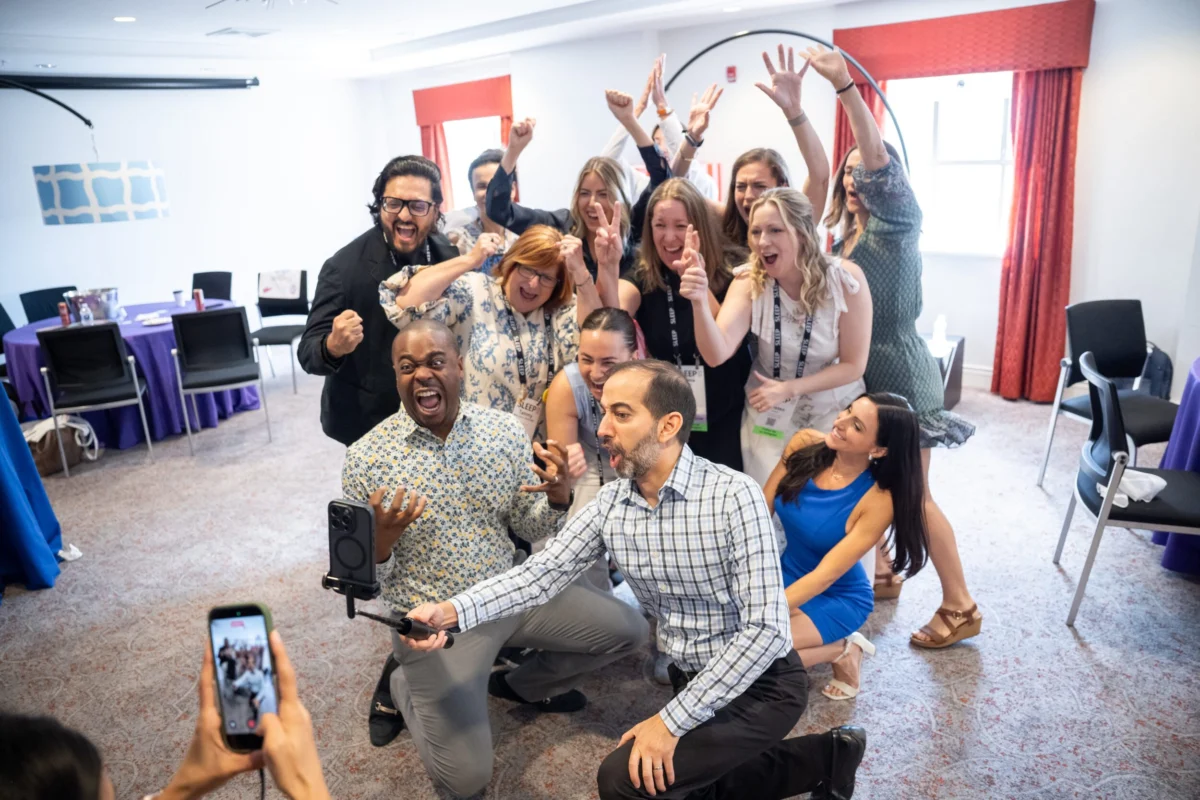
At first glance, the scene at a trendy café preceding the SLEEP 2026 conference might appear to be nothing more than a gathering of social media personalities. There are smartphones on gimbals, carefully framed selfies, and the rhythmic clicking of ring lights. But beneath the surface-level polish of content creation, this is a strategic operation. This is "Sleepfluencers," an initiative serving as the frontline defense against a growing epidemic of medical misinformation.
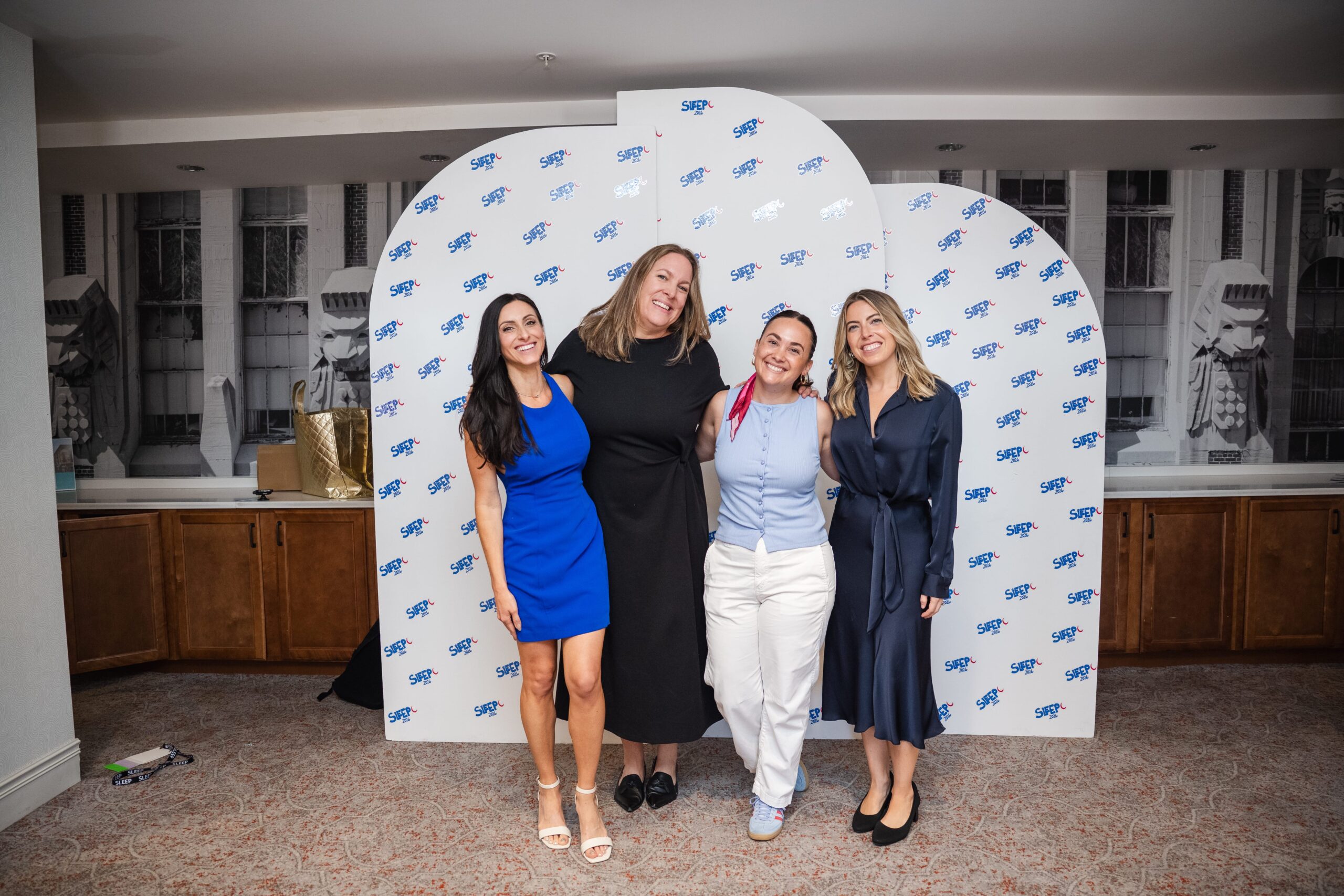
Launched in 2024 by Teresa Power of Sleep Better NYC, and co-hosted by Mollie Eastman of Sleep Is A Skill and Emma Cooksey, host of the Sleep Apnea Stories podcast, the networking breakfast has evolved into a vital nexus for clinicians, researchers, and patient advocates. Their mission is clear: to bridge the gap between rigorous, evidence-based sleep medicine and the algorithm-driven, often unreliable world of social media health advice.
The Genesis of a Movement
The inception of the Sleepfluencers collective was born out of necessity. In her clinical practice, Teresa Power observed a recurring, alarming pattern: patients were arriving at their appointments after months, or even years, of self-diagnosing and attempting to treat complex sleep issues with unverified "hacks."
"I saw clients reaching for mouth tape, expensive specialty pillows, and unregulated supplements to ‘fix’ their sleep long before they ever considered seeking a professional sleep apnea test or discussing CBT-I with a board-certified specialist," Power explains. "Many of these individuals weren’t aware that sleep medicine was a recognized medical specialty until they stumbled upon a viral video that suggested otherwise."
The disconnect is profound. According to a 2026 report from the Pew Research Center, 36% of Americans regularly source health information from social media platforms, while 22% are turning to AI chatbots like ChatGPT for medical guidance. These users are often seeking answers for sensitive issues they feel uncomfortable discussing with their primary care physicians, placing their health in the hands of influencers who, in many cases, lack formal medical training. The Sleepfluencers initiative was designed to disrupt this cycle by ensuring that when users turn to their feeds for sleep advice, they are met with expertise, not empty trends.
The Anatomy of the "Sleepfluencer" Strategy
The movement is built on the philosophy of meeting the public where they are. Rather than shunning social media as an inherently flawed medium, the collective utilizes the same engagement tools—short-form video, accessible language, and community-building—to distribute scientifically backed content.
Chronology: From Concept to Conference
- 2024: Teresa Power launches the first informal networking breakfast at the SLEEP conference, bringing together a small cohort of like-minded educators.
- 2025: The group formalizes their networking efforts, gaining traction as more clinicians recognize the reach of digital platforms.
- 2026: The initiative gains significant momentum at SLEEP 2026, incorporating high-profile pediatric neurologists and psychologists to directly combat trending misinformation.
- The Future: The collective aims to expand its reach by partnering with institutional health organizations to standardize digital sleep literacy.
Addressing the "Big Baby Sleep" Debate
One of the most contentious battlegrounds in the digital parenting space is the debate surrounding infant sleep. Misinformation regarding sleep training has proliferated, often framing evidence-based interventions as inherently harmful.
Dr. Sujay Kansagra, a pediatric neurologist at Duke and the creator of the popular Instagram account @thatsleepdoc, has become a central figure in correcting this narrative. Recognizing that sleep training is a valid, evidence-based tool that isn’t one-size-fits-all, Dr. Kansagra is vocal about the harm caused by fear-mongering content.
"Parenting babies is exhausting enough without the addition of unhelpful, inaccurate, and scientifically unsupported messaging on social media," says Dr. Kansagra. "Whatever we can do to translate complex clinical data into helpful, science-backed information for the public is a worthy use of our platform."
During the 2026 event, Dr. Kansagra collaborated with a diverse group of creators—including insomnia specialists Sarah Petroski and pediatric sleep expert Dr. Chris Allen—to produce a series of videos aimed at de-stigmatizing pediatric sleep support. By leveraging their collective reach, these professionals are effectively drowning out the "noise" of amateur influencers who lack the context of clinical practice.
Beyond Quantity: The Quality Mandate
A recurring theme among the Sleepfluencers is the shift in focus from "sleep duration" to "sleep quality." Dr. Chris Allen, a pediatric neurologist and sleep specialist known as @sleepdrchris, argues that the current obsession with hitting a specific number of hours can be counterproductive if the underlying quality of that sleep is compromised by undiagnosed disorders.
"As a sleep doctor, I want my patients to hit that 7-to-9-hour window, but time in bed is not the only metric," says Dr. Allen. "If a patient has untreated obstructive sleep apnea, buying a ‘perfect’ pillow or forcing an early bedtime is just putting a bandage on a broken leg. Snoring is a symptom, not a quirk, and it requires clinical treatment, not just a social media trend."
This sentiment is echoed by Emma Cooksey, whose own decade-long struggle with undiagnosed sleep apnea highlights the human cost of the information gap. "I spent ten years going to doctors with symptoms like loud snoring and excessive daytime sleepiness," she shares. "I had to splash cold water on my face in meetings just to stay awake. If the information being shared by the clinicians at this event had been visible on my feed back then, I could have potentially reclaimed a decade of my life."
The Dangers of "Sleepmaxxing"
The current trend of "sleepmaxxing"—the obsessive, high-effort attempt to optimize every micro-second of sleep through wearable data—is a primary concern for clinical psychologists like Dr. Shelby Harris. As an expert in Cognitive Behavioral Therapy for Insomnia (CBT-I), Dr. Harris uses her platform, @SleepDocShelby, to warn against the anxiety-inducing nature of data-driven sleep optimization.
"I teach my patients that CBT-I is about accepting that some nights will be better than others," Dr. Harris explains. "We are aiming for meaningful, sustainable improvements in sleep quality, not a perfect score on a tracking app. When we turn sleep into a competitive sport or an performance metric, we exacerbate the very anxiety that causes insomnia."
The Sleepfluencers collective is effectively acting as a "fact-checking" layer, helping the public navigate the psychological burden of modern sleep tracking. By providing a trusted, authoritative counter-voice to the "optimization culture," these professionals are helping to reduce the incidence of orthosomnia—a condition where the obsession with achieving perfect sleep data actually degrades sleep quality.
Industry Perspectives: The Role of Corporate Partnership
The growth of the Sleepfluencers movement has attracted interest from the broader sleep health industry. Companies like Resmed have begun sponsoring these initiatives, recognizing that their goals align with the need for better public health literacy.
"At Resmed, we recognize that improved quality of life is tethered to prioritizing sleep health," says Lindsay McFarland, a content strategist at the company. "Social media is where the conversation is happening. If we want to reach those living with undiagnosed disorders, we have to be present in those spaces. It is imperative that when people search for sleep information, they encounter content that is not only accessible but medically accurate."
Implications for the Future of Public Health
The emergence of the Sleepfluencer movement signals a fundamental shift in how medical professionals interact with the public. It is no longer sufficient to remain within the walls of a clinic. As the data shows, 100,000 views on a single "hot take" video can have more influence on public health behavior than a dozen peer-reviewed journals.
The strategy of the collective is simple but radical: fight fire with fire. By mastering the cadence of social media, utilizing the aesthetic of the platform, and maintaining the rigor of their medical training, these professionals are reclaiming the narrative. They are not merely "influencers" in the traditional sense; they are public health ambassadors.
As the lines between digital entertainment and health information continue to blur, the work of these creators is becoming increasingly indispensable. They have demonstrated that it is possible to be both engaging and accurate, and that in the modern era, the most effective way to save a life might just be through a well-produced, evidence-based Instagram Reel.
The battle against misinformation is far from over, but for the first time, the experts have a seat at the table—and they are bringing their ring lights with them.