





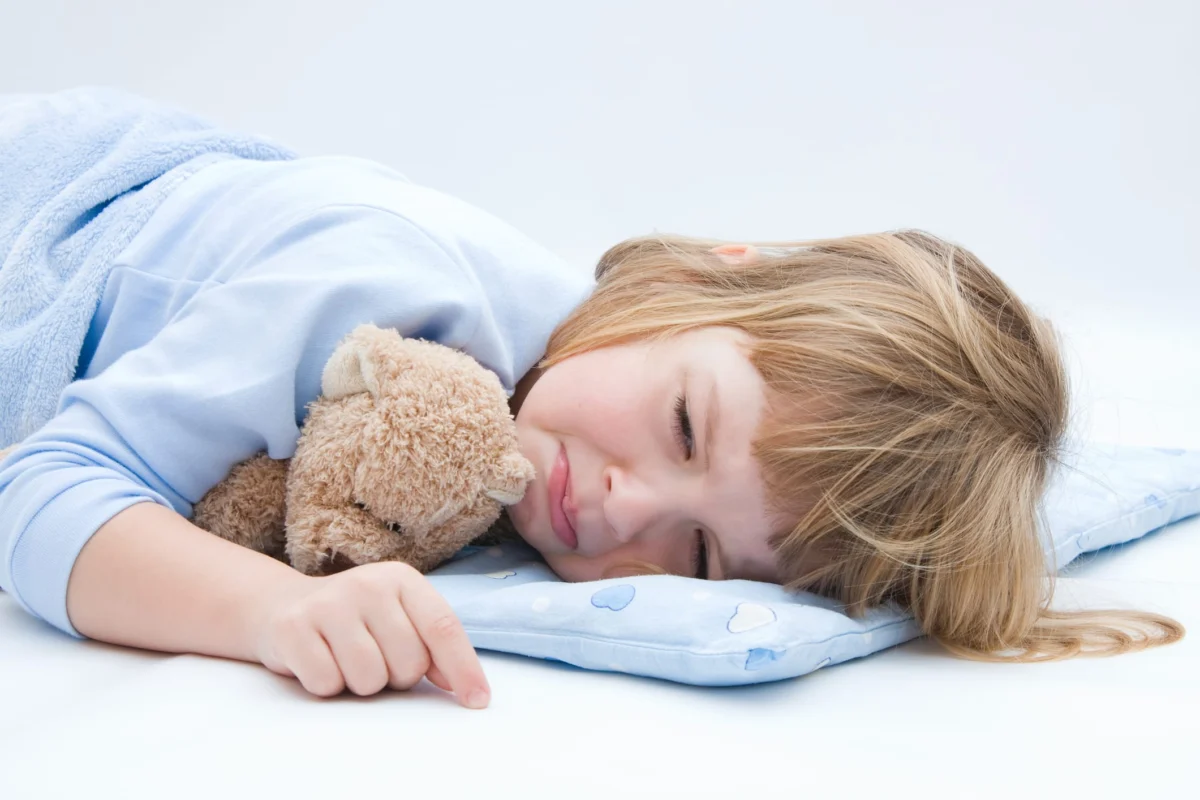
For many families, an in-lab polysomnogram (PSG) is a medical necessity—the gold standard for diagnosing complex pediatric sleep disorders ranging from obstructive sleep apnea to parasomnias. Yet, for the young patient, the prospect of being tethered to a web of wires in an unfamiliar, clinical environment after dark can be a source of significant distress. When that patient is also managing neurodevelopmental challenges, sensory sensitivities, or generalized anxiety, the "gold standard" test can quickly become a monumental hurdle.
As diagnostic requirements evolve, sleep medicine professionals are increasingly focusing on the human element of clinical testing. By blending pre-arrival preparation, child-centric lab design, and specialized technologist training, clinics are transforming the "scary" sleep lab visit into a manageable, and sometimes even positive, experience.
Main Facts: The Challenge of Pediatric PSG
The fundamental tension in pediatric sleep medicine is the conflict between the need for comprehensive physiological data and the child’s natural need for comfort and security. According to recent research, this conflict is not merely anecdotal. A study published in the Journal of Clinical Sleep Medicine revealed that children with neurodevelopmental disorders are more than three times more likely to struggle with the tolerance of PSG leads compared to their neurotypical peers.
Furthermore, the sensors themselves are often the primary point of failure. Nasal prongs, critical for monitoring airflow, are the most poorly tolerated component, with issues reported in roughly 30% of pediatric studies. When a child pulls at leads or becomes agitated, the result is not just a distressed patient; it is compromised data quality, sensor displacement, or, in the most unfortunate cases, the total abortion of the study.
A Chronological Approach to Success
Successful pediatric sleep medicine is no longer just about what happens between 9 PM and 7 AM. It is a process that begins weeks before the patient ever sets foot in the facility.
Phase 1: Pre-Arrival Preparation
The goal of pre-arrival work is simple: demystification. "Educating families ahead of time, keeping the setup simple, and helping children feel at ease can go a long way," explains James Davis, DO, DABSM, co-founder and medical director at Twilight Clinic PLLC.
Clinicians are increasingly using "play-based desensitization" as a clinical tool. If a child is slated for a CPAP titration, they are often sent home with a mask to wear while playing, watching television, or reading. Similarly, nasal prongs can be introduced to the home environment early to reduce the "novelty factor" that often triggers panic in the lab.
Resources such as the book Joshua’s Big Night in the Sleep Lab by Mary Halsey Maddox, MD, provide a roadmap for parents. By reading these stories, children can visualize the experience as an adventure rather than a procedure. "Most of my patients read the book every night for a couple of weeks leading up to the study," Dr. Maddox notes. "They then like to tell the sleep techs what to do, and none of it is a big surprise."
Phase 2: Creating the Lab Environment
Once the child arrives, the environment must shift from "clinical" to "conducive." Lauri Leadley, CCSH, RPSGT, emphasizes that décor, lighting, and setup play a major role in lowering cortisol levels. Simple additions—kid-friendly music, coloring books, or a favorite movie—can act as a buffer against the anxiety of the hookup process.
Phase 3: The Hookup Protocol
The sequence of the setup is a crucial, often overlooked, tactical decision. Industry experts like Todd Eiken, RPSGT, FAAST, suggest delaying the application of scalp electrodes (EEG) until the very end. By starting with respiratory effort belts and airflow sensors, the child has time to acclimate to the "weight" of the equipment before the more delicate and intrusive head-gear is applied.
Furthermore, empowering the child to "play tech" by placing an electrode on a parent or a stuffed animal can transform the child from a passive victim of the procedure into an active participant.
Supporting Data: Why Specialized Care Matters
The evidence for tailored pediatric care is growing. The 2023 study by Lanzlinger et al. underscores that the "one-size-fits-all" approach to PSG is inadequate for the pediatric population. Beyond the statistics of tolerance, there is the matter of equipment sizing.
Adult-sized sensors are often physically uncomfortable for smaller frames and may even produce inferior signals due to poor contact on smaller surface areas. Eiken notes that "in this population, the smaller, the better." The rise of pediatric-specific equipment—sensors designed with playful colors, patterns, and appropriate dimensions—is a direct response to this data. By moving away from industrial, clinical-grade aesthetics to child-themed gear, clinics are effectively lowering the psychological barrier to the study.
Official Responses and Clinical Perspectives
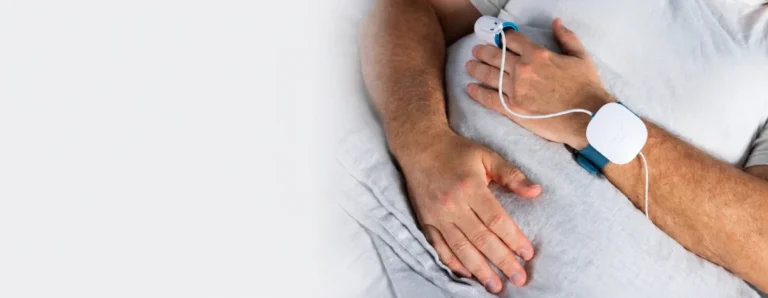
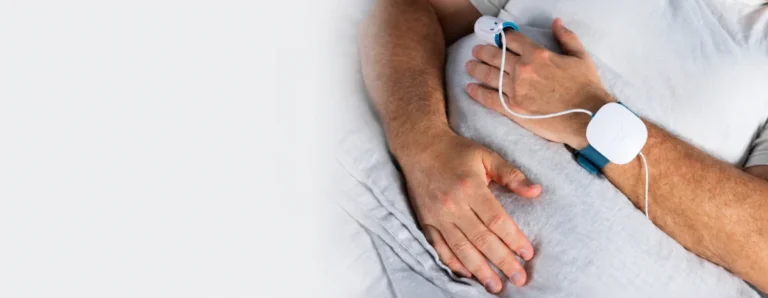
The medical community is actively debating the future of these studies, particularly the role of Home Sleep Testing (HST). While in-lab PSG remains the gold standard for complex cases, the emergence of wireless Type II HST devices, such as those marketed by companies like Dormotech, provides a pathway for children who simply cannot tolerate the lab environment.
However, a word of caution is offered by experts like Dr. Davis. "There are still situations where a traditional wired PSG is the better option," he notes, citing the need for comprehensive monitoring channels that current wireless technology cannot yet replicate.
The consensus among pediatric sleep specialists is that technology should support the clinician, not replace the human touch. Whether it is using full head bandages to prevent "roaming little fingers" from disconnecting EEG leads or employing specialized, non-invasive airflow sensors that avoid the nares entirely, the focus remains on the marriage of high-tech diagnostics and high-touch pediatric psychology.
Implications: The Future of Pediatric Sleep Diagnostics
The implications of these advancements are profound. A successful sleep study is the gateway to treating conditions that affect cognitive development, behavioral health, and physical growth. When a child tolerates a study, the data is cleaner, the diagnosis is more accurate, and the treatment plan is more effective.
Looking forward, the industry is moving toward a model of "Patient-Centered Diagnostic Care." This shift recognizes that the sleep technologist is not just a data collector, but a pediatric care provider. Their ability to manage the emotional state of a child is as vital to the study’s success as their ability to interpret a waveform.
Key Takeaways for Practitioners:
- Early Intervention: Utilize pre-arrival tools, books, and home-practice kits to normalize equipment.
- Strategic Sequencing: Save the most intrusive sensors for last and allow children to "control" the process through play.
- Environment Matters: Invest in child-appropriate décor to reduce the "hospital" stigma.
- Technological Precision: Prioritize pediatric-sized, child-themed sensors to improve both comfort and signal integrity.
- The Hybrid Approach: Use HST when appropriate to alleviate the burden on the most sensitive patients, while maintaining the rigor of in-lab PSG for complex cases.
Ultimately, as the industry continues to refine these techniques, the goal remains singular: to ensure that the process of diagnosing sleep disorders is as restorative as the sleep we hope our patients eventually achieve. By treating the patient as a child first and a subject second, the sleep lab can evolve from a source of anxiety into a place of healing and discovery.
References
- Lanzlinger D, Kevat A, Collaro A, et al. "Tolerance of polysomnography in children with neurodevelopmental disorders compared to neurotypical peers." J Clin Sleep Med. 2023 Sep 1;19(9):1625-31.