











The healthcare sector, once lauded as the frontline hero of the pandemic era, is currently grappling with a profound internal crisis. This week, the industry saw a significant escalation in labor friction, with major strikes announced at Mass General Brigham (MGB) in Massachusetts and Mount Nittany Medical Center in Pennsylvania. These actions, involving thousands of nurses and clinicians, underscore a growing national trend of labor militancy as healthcare professionals demand fundamental changes to their compensation, staffing models, and working conditions.
The State of the Industry: A Surge in Labor Action
The recent walkouts are not isolated incidents but rather symptoms of a broader systemic upheaval. According to a landmark report from Cornell University’s School of Industrial and Labor Relations and the University of Illinois School of Labor and Employment Relations, while the total number of work stoppages in the U.S. economy saw a decline last year, healthcare-specific strikes skyrocketed by 58.3%.
This data paints a stark picture: the post-pandemic "burnout" phase has transitioned into a "demanding phase." Healthcare workers, having endured years of extreme pressure, are no longer willing to accept the status quo. The primary drivers of this discontent are stagnant wages that fail to keep pace with record inflation, unsustainable nurse-to-patient ratios, and what many labor leaders describe as a corporate-first approach to hospital management.
Mass General Brigham: A Historic Stand in Boston
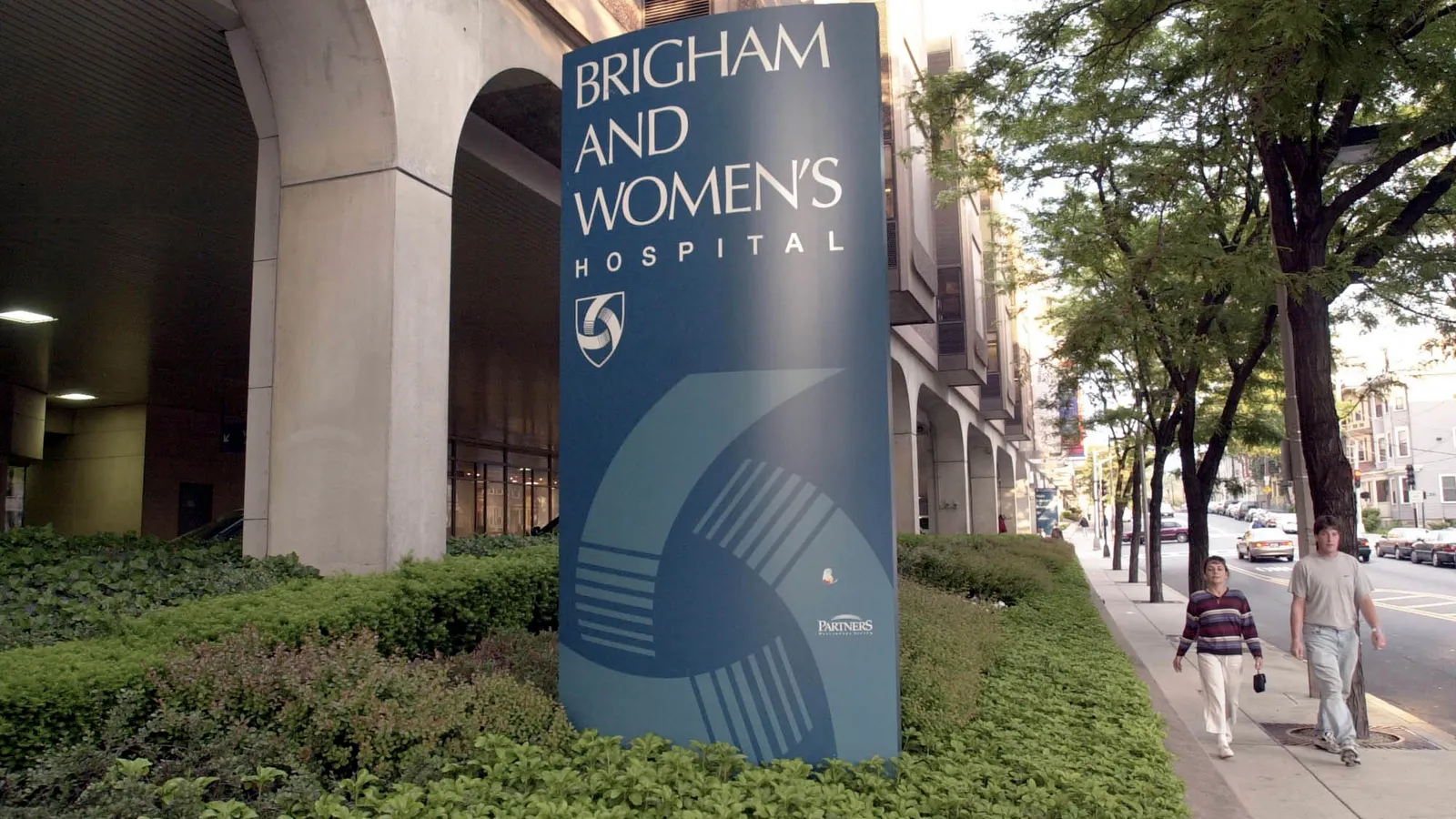
In what is being described as the largest nursing and healthcare worker strike in Massachusetts history, approximately 4,000 nurses at Brigham and Women’s Hospital and 450 clinicians at MGB’s Home Care unit initiated a strike this past Wednesday. The sheer scale of the action paralyzed parts of the prestigious health system, forcing administrators to scramble for contingency plans to maintain patient care.
The Chronology of Conflict
The tension at Brigham and Women’s Hospital has been brewing since November, when the Massachusetts Nurses Association (MNA) and hospital management began bargaining. The core of the dispute involves competitive wage increases, the preservation of patient care services, and the cost of health insurance.
While the strike at the hospital was scheduled for a one-day duration, the conflict took a sharp turn when MGB management announced it would lock out the nurses for an additional four days. This "defensive lockout" strategy—a common but controversial tactic in industrial relations—effectively extended the disruption, ensuring that nurses would not be eligible to return to their posts until the morning of July 13.
Meanwhile, the situation with MGB Home Care clinicians is arguably more complex. These workers, who voted to join the MNA in 2024, have been negotiating their first union contract since March 2025. They have embarked on a seven-day strike, seeking to standardize productivity metrics and secure reasonable caseload limits, arguing that their current working conditions are not only unsustainable for the staff but potentially hazardous for the patients they visit in their homes.
Official Responses and Mediation
The severity of the disruption reached the desk of Massachusetts Governor Maura Healey, who intervened to bring both sides to the table in Boston. The MNA expressed gratitude for the Governor’s involvement, stating in a press release, "We reiterated our interest in negotiating at any time to reach a fair agreement and resolve the strikes."
For its part, Mass General Brigham has maintained a firm stance. Management has emphasized their commitment to "market-leading compensation" and noted that they have engaged in over 30 negotiation sessions with the Home Care unit, reaching more than 20 tentative agreements on various provisions. They argue that the union’s demands, while well-intentioned, must be balanced against the financial viability of the institution.
Mount Nittany Medical Center: The Central Pennsylvania Standoff
While the Boston labor action is historic in its scale, the situation at Mount Nittany Medical Center in State College, Pennsylvania, highlights the nationwide nature of the movement. Over 900 workers at this 260-bed acute care facility have voted—with a staggering 98% approval rate—to initiate a five-day strike beginning July 27.
The Breakdown of Negotiations
The catalyst for the Mount Nittany strike is, in large part, economic. Negotiations for a new contract began in April, following the expiration of the previous agreement on June 30. The union, SEIU Healthcare Pennsylvania, contends that hospital executives have proposed annual raises that fail to keep pace with the current inflationary environment.
Jess Mulroy, a registered nurse and vice president of the hospital’s union chapter, articulated the frustration of the workforce: "While Mount Nittany focuses on new buildings, towers, and expansions, many essential workers are struggling to keep up with rising costs and bills." This sentiment reflects a recurring theme in hospital strikes across the country: the perception that capital investment in infrastructure is being prioritized over the human capital required to run the facilities.
Hospital Management’s Perspective
Mount Nittany Medical Center has responded with a call for continued dialogue. In an official statement, the hospital acknowledged that "important topics remain unresolved" but reaffirmed their commitment to "negotiating in good faith with the goal of reaching a fair and sustainable agreement." The coming weeks will be critical, as both parties work under the shadow of an impending work stoppage.
Supporting Data and Industry Trends
The volatility in the healthcare labor market is supported by the aforementioned Cornell/Illinois report. The 58.3% increase in strikes is not merely a statistical anomaly; it represents a fundamental shift in the power dynamic between hospital systems and their employees.
Several factors contribute to this:
- Inflationary Pressures: Healthcare wages, historically slow to adjust, have been severely eroded by the high inflation rates observed over the last 24 months.
- Staffing Crises: The "great resignation" of nurses has left hospitals understaffed. The remaining workers are often forced to take on double shifts or higher patient ratios, leading to moral injury and physical exhaustion.
- Unionization Efforts: There is a renewed energy within nursing unions, with younger workers increasingly viewing collective bargaining as the only viable mechanism to secure workplace protections.
The Broader Implications for Healthcare Delivery
The implications of these strikes extend far beyond the bargaining table. For patients, the immediate impact is the potential for canceled elective procedures and longer wait times for non-urgent care. Hospitals rely on complex scheduling and staffing models; even a brief strike can cause a ripple effect that lasts for weeks.
For the healthcare industry, these strikes signal a period of long-term instability. If large health systems like MGB and smaller community hubs like Mount Nittany cannot reach sustainable agreements with their staff, the industry may face:
- Increased Reliance on Agency Staffing: When permanent staff strike or leave, hospitals are forced to hire temporary travel nurses, which significantly increases operating costs and disrupts the continuity of care.
- Regulatory Scrutiny: As strikes become more frequent, state and federal regulators may step in to mandate stricter nurse-to-patient ratios, which could impose additional financial burdens on already strained health systems.
- A Shift in Public Opinion: Public sympathy often lies with healthcare workers, which puts immense pressure on hospital boards and executives to resolve disputes quickly to avoid reputation damage.
Conclusion
The labor actions at Mass General Brigham and Mount Nittany Medical Center are indicative of a national reckoning. The healthcare sector is struggling to reconcile the post-pandemic reality of its workforce with the financial pressures of modern hospital management.
As the strike at Mount Nittany looms and the dust begins to settle in Boston, the message from the picket lines is clear: healthcare professionals are demanding a seat at the table. Whether this leads to a new era of labor-management cooperation or a period of prolonged industrial unrest remains to be seen. One thing, however, is certain: the era of the quiet, compliant healthcare worker is over, and the industry will need to adapt quickly to maintain its core mission of patient care.