By David Lykins, VP of E-Commerce at Med Mart
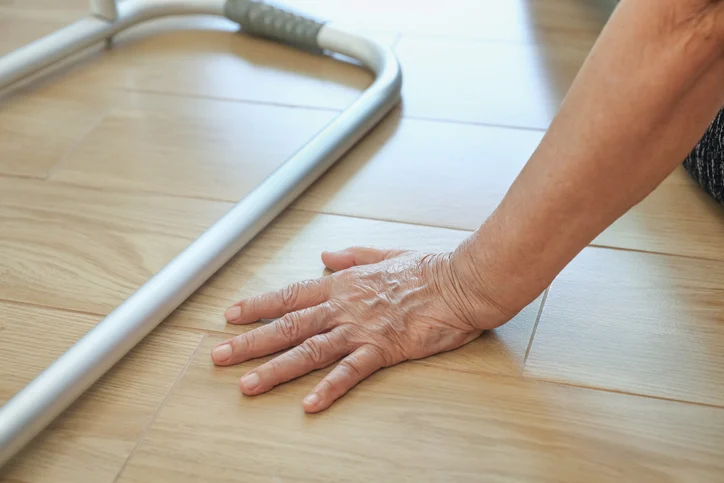
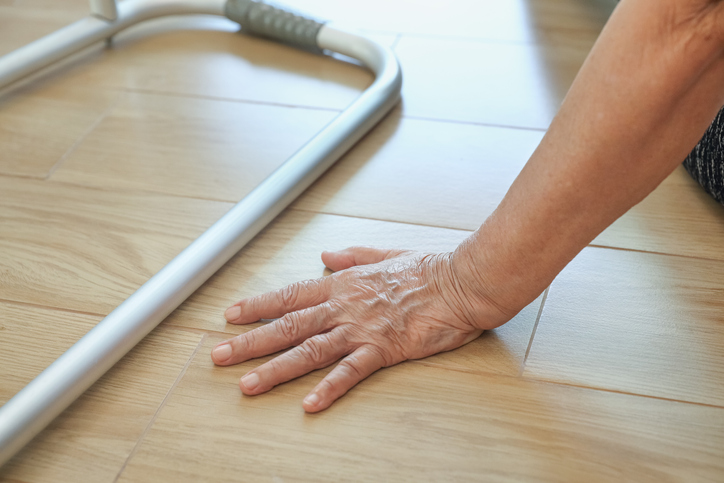
Patient falls remain one of the most persistent and devastating safety challenges in modern healthcare. Far from being isolated incidents of human error, falls are increasingly recognized by clinical leaders as symptomatic of systemic vulnerabilities. When a patient falls, the consequences ripple through the entire healthcare ecosystem: the patient suffers physical injury and emotional trauma, clinical staff face increased burnout and moral distress, and the institution absorbs the staggering financial costs of extended recovery and litigation.
To curb this crisis, the healthcare industry must transition from a reactive model—where we manage the aftermath of a fall—to a proactive, system-wide paradigm that embeds safety into the very culture of care.
The Magnitude of the Crisis: Understanding the Data
The data surrounding patient falls is sobering. According to the Centers for Disease Control and Prevention (CDC), millions of older adults in the United States suffer falls annually, making them a leading cause of injury-related hospital visits. The World Health Organization (WHO) corroborates this, categorizing falls as a major global public health issue that contributes to a significant portion of preventable fatalities and permanent disabilities.
In the hospital setting, the impact of a fall is multifaceted. It extends beyond the immediate physical damage—such as fractures, lacerations, or head trauma—to include a decline in the patient’s confidence and mobility. A single fall can derail an entire recovery trajectory, leading to longer hospital stays, increased reliance on complex medical interventions, and significant psychological distress for the patient and their family.
For healthcare providers, the strain is equally acute. Reactive care—which relies on manual monitoring and inconsistent risk assessment—contributes to staff fatigue and burnout. When clinical teams are constantly operating in "firefighting mode" to manage the aftermath of accidents, the quality of care across the board suffers.
A Chronology of Care: From Reactive to Proactive
Historically, hospital culture has approached fall prevention through a lens of individual accountability. If a patient fell, the focus was often on the nurse or aide on duty. This approach, however, ignores the structural gaps that often lead to these incidents.
The Era of Reactive Management
In decades past, prevention was characterized by sporadic monitoring. Staff were often burdened by high patient-to-clinician ratios, leading to fragmented communication between departments. Risk assessments were frequently performed only upon admission, failing to account for the dynamic, hour-by-hour changes in a patient’s condition. In this environment, fall prevention was an afterthought—a box to be checked rather than a continuous process of observation.
The Shift Toward Systemic Integration
Today, leading health systems are moving toward a proactive model. This evolution involves:
- Continuous Risk Assessment: Shifting from "admission-only" screening to a real-time, iterative process where a patient’s risk level is evaluated whenever their condition shifts.
- Technological Integration: Utilizing state-of-the-art patient transfer equipment, such as electric lifts, to remove the physical burden from caregivers and ensure patient stability during movement.
- Interdisciplinary Communication: Breaking down silos so that physical therapists, nursing staff, physicians, and administrators are all aligned on a patient’s specific mobility plan.
The Pillars of a Safer Care Environment
True prevention requires more than just better equipment; it requires an organizational culture shift. Prevention must be integrated into the physical environment, staff training protocols, and the daily workflow of every unit.
Patient-Centered Mobility Planning
No two patients have the same mobility profile. A one-size-fits-all approach to fall prevention is inherently flawed. A 75-year-old recovering from hip surgery requires a vastly different support structure than a 40-year-old experiencing temporary post-operative weakness. Patient-centered planning involves creating personalized mobility goals that account for strength, cognitive status, and current medications.
Leveraging Mobility Support Technology
The responsible integration of assistive technology is a game-changer. Electric patient lifts, for instance, are designed to assist with transfers and repositioning. By reducing the physical strain on nurses and nursing assistants, these tools decrease the likelihood of staff injury and, more importantly, ensure that patients are moved safely. When equipment is readily available and staff are properly trained, the "human error" factor—often caused by caregiver exhaustion—is significantly mitigated.
Organizational Culture and Leadership
Leadership must champion safety as a core business value rather than a compliance requirement. When hospitals treat fall prevention as a metric for success rather than a hurdle for accreditation, the results change. This requires:
- Consistent Training: Moving beyond initial onboarding to regular, high-fidelity simulation training for staff.
- Collaborative Environments: Encouraging a culture where any staff member, regardless of seniority, can flag a potential hazard without fear of reprisal.
- Investment in Infrastructure: Allocating resources toward modern, safer patient handling equipment, which acts as a permanent safeguard for both patients and clinicians.
Official Perspectives: The Path Forward
Health authorities like the WHO and various national safety boards have emphasized that falls are not "inevitable." By viewing a fall as a "system failure" rather than an "accident," administrators can conduct root-cause analyses that identify gaps in policy or equipment usage.
The goal is to foster an environment where safety is the default. This involves clear protocols, strong interdepartmental communication, and the use of technology to identify risks early in the care process. When an institution shifts its focus from "responding to falls" to "engineering environments that prevent them," the outcome is a measurable decrease in injury rates and an increase in staff morale.
Implications for the Future of Healthcare
The financial implications of ignoring this issue are no longer sustainable. As healthcare reimbursement models shift toward value-based care, institutions are increasingly held accountable for patient outcomes. A high rate of preventable falls is a direct threat to the financial viability of a hospital, not only through direct costs but also through reputational damage and reduced patient trust.
Conversely, organizations that successfully implement robust, proactive fall-prevention strategies see tangible benefits:
- Operational Efficiency: Fewer emergency interventions mean that clinical resources can be focused on patient recovery.
- Staff Retention: Providing staff with the tools and processes to perform their jobs safely reduces turnover—a critical factor in an era of nursing shortages.
- Improved Patient Outcomes: Patients who do not fall recover faster, regain their independence sooner, and have a more positive overall experience with the healthcare system.
Conclusion: A Paradigm Shift
The problem of patient falls is not a mystery; it is a challenge of operational discipline. By moving away from reactive, individual-focused blame and toward a holistic, system-wide prevention strategy, healthcare providers can drastically reduce the incidence of falls.
This requires a commitment to patient-centered mobility, a reliance on modern, supportive technology, and an organizational culture that prioritizes safety at every level of care. As we look to the future, the integration of these practices will define the next generation of healthcare excellence. It is time to treat every patient fall as a preventable event—one that demands our attention, our resources, and our unwavering commitment to system-wide change.
About the Author: David Lykins is the VP of E-Commerce at Med Mart, where he leads digital strategy, marketing, and customer experience. With over a decade in the durable medical equipment industry, he is passionate about helping families and caregivers find reliable solutions that make everyday life safer and easier.
This post appears through the MedCity Influencers program. The insights presented here reflect a commitment to driving innovation and safety in healthcare operations.