




In the modern fitness landscape, the gym floor is often dominated by two primary pursuits: the aerobic intensity of cardio machines and the aesthetic or functional power of heavy resistance training. While these pillars are essential for metabolic health and muscle maintenance, a critical component of physical longevity is frequently left on the sidelines: balance. As we age, the ability to remain stable, upright, and coordinated becomes the primary determinant of independence and injury prevention.
According to fitness expert Jacob Siwicki, founder of Siwicki Fitness and a highly regarded trainer, balance is not merely a single skill; it is a complex, synchronized symphony of the body’s internal systems. To achieve true stability, your strength, proprioception (the body’s innate awareness of its spatial position), coordination, vision, and vestibular system (the inner ear) must communicate seamlessly.
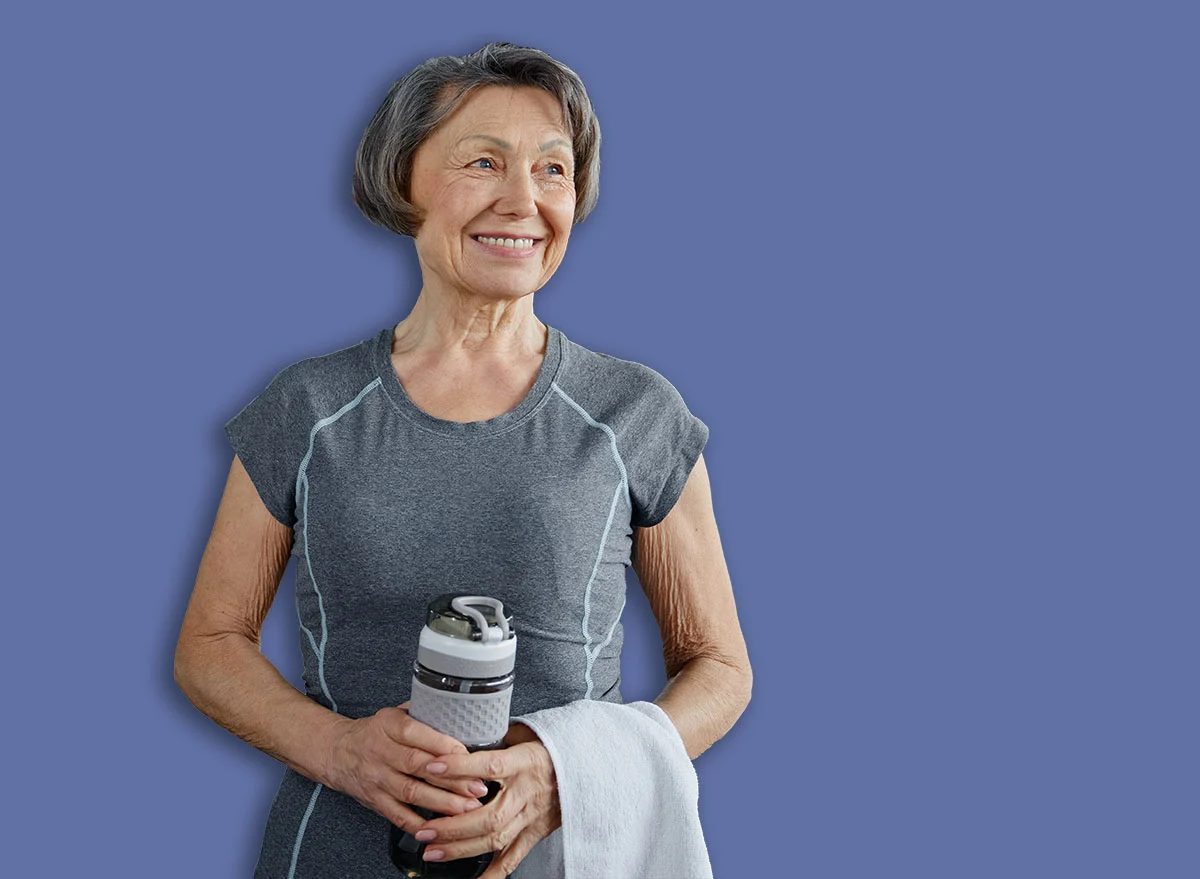
For those over the age of 60, integrating dedicated balance training is no longer an optional "add-on"—it is a medical necessity for maintaining a high quality of life. Siwicki, whose expertise has been featured on FOX 5 DC, shares five foundational exercises that can improve your stability, potentially yielding faster results than traditional practices like Tai Chi.
The Anatomy of Balance: Why It Matters After 60
The science of balance is rooted in the constant feedback loop between the brain and the body. As we move, our nerves send rapid-fire signals to the brain regarding where our limbs are in space. When this system degrades—due to inactivity, neurological changes, or lack of stimulus—the risk of falls increases significantly.
Falls are the leading cause of injury-related death and non-fatal trauma among older adults. However, the decline of balance is not an inevitable consequence of aging; it is a reversible condition. By consistently challenging the body’s equilibrium, we can "retrain" the nervous system, sharpening the pathways between the brain and the muscles.
Siwicki emphasizes that the key to improvement lies in removing sensory crutches. "Want to make single-leg stands way harder? Close your eyes," he suggests. "That takes your vision out of the equation and forces the inner ear and the proprioceptive system to do the heavy lifting. That is where I see people improve the fastest."
Core Exercises for Improved Stability
To help you reclaim your confidence on your feet, we have outlined five essential movements. These exercises are designed to be performed daily, requiring minimal equipment and space.
1. The Single-Leg Stand
This is the gold standard for testing and improving static balance. By shifting your center of gravity onto one limb, you force your stabilizing muscles—particularly the gluteus medius—to engage and fire.
- The Technique: Stand tall near a sturdy surface for safety. Lift one foot off the ground. Focus on maintaining a neutral spine and a forward gaze.
- Progressive Difficulty: Once you can hold this for 30 seconds comfortably, try closing your eyes. This removes the visual horizon, forcing your brain to rely entirely on your vestibular system.
2. The Heel-to-Toe Walk (Tandem Gait)
This exercise mimics the challenge of walking a tightrope, testing your dynamic balance and coordination.
- The Technique: Position your feet in a straight line, placing the heel of your front foot directly against the toes of your back foot. Move forward with slow, controlled steps.
- Pro-Tip: Keep your core engaged and avoid looking down at your feet. Focus on a point straight ahead to maintain your alignment.
3. The Clock Reach
Dynamic balance is the ability to maintain stability while the body is in motion. The Clock Reach challenges your range of motion while testing your ability to recover your center.
- The Technique: Stand on one leg. Imagine you are in the center of a clock face. Using your free leg, tap your toes to the 12 o’clock, 3 o’clock, and 6 o’clock positions.
- The Benefit: This forces the standing leg to adjust to constant shifts in weight, building incredible strength in the ankles and hips.
4. The Sit-to-Stand
Often underestimated, the sit-to-stand movement is a functional powerhouse. It builds the quadriceps and gluteal strength necessary to stabilize the body during the transition from seated to standing.
- The Technique: Start seated on a chair. Stand up without using your hands for support, keeping your chest lifted and weight distributed evenly. Sit back down with control, avoiding the urge to "drop" into the seat.
5. Weight Shifts Side-to-Side
This movement helps improve lateral stability, which is essential for catching yourself if you stumble to the side.
- The Technique: Stand with feet hip-width apart. Slowly shift your weight entirely to your right leg, lifting the left foot slightly off the ground. Pause, then shift to the left.
- The Focus: Ensure that your hips stay level throughout the transition. This builds the lateral hip strength needed to prevent side-to-side instability.
Supporting Data: The Impact of Movement
Clinical research consistently supports the integration of "neuromotor" training—another term for balance, agility, and gait training—in the lives of older adults. Studies published in the Journal of Aging and Physical Activity indicate that individuals who engage in targeted balance training demonstrate a 30% to 50% reduction in fall-related injuries compared to those who focus solely on cardiovascular health.
The physiological implications go beyond simple "stability." Balance training improves reaction time and cognitive processing speed. When you force your brain to navigate a precarious stance, you are effectively engaging in "neuroplasticity training," where the brain creates new neural connections to manage the increased physical demand.
Official Perspectives and Expert Consensus
Fitness experts and geriatric specialists agree: the "use it or lose it" mantra is most applicable to balance. While medical professionals often prescribe physical therapy after a fall has occurred, the goal of modern longevity experts like Siwicki is to implement these routines proactively.
"Balance is the hidden metric of health," Siwicki notes. "If you can’t balance on one leg for 10 seconds, you are significantly more likely to experience frailty as you age."
Professional organizations, including the American College of Sports Medicine (ACSM), have updated their guidelines to include at least two to three days of neuromotor exercise per week for adults over 65. These exercises are categorized under the umbrella of "functional fitness," designed to improve the activities of daily living (ADLs).
Implications for Long-Term Wellness
The implications of adopting a daily balance routine are profound. Beyond the obvious benefit of injury prevention, there is the psychological liberation that comes with physical confidence. Many older adults develop "fall anxiety," which leads to self-imposed limitations on activity. This, in turn, accelerates muscle atrophy and loss of bone density.
By mastering the movements listed above, you are not just exercising; you are investing in your autonomy. Whether it is navigating an uneven sidewalk, reaching for a high shelf, or simply standing up from a chair, the benefits of improved proprioception and core stability permeate every aspect of daily life.
Conclusion: Your Roadmap to Stability
The beauty of these exercises lies in their accessibility. You do not need a gym membership, expensive equipment, or hours of free time. You only need a few minutes each morning to "check in" with your body.
Start small. Dedicate five minutes today to the Single-Leg Stand. As you progress, layer in the Clock Reach and the Heel-to-Toe Walk. By making these movements a non-negotiable part of your daily hygiene—just like brushing your teeth—you are building a body that is not only strong but resilient, stable, and ready for whatever life brings your way.
As Siwicki puts it, the goal is simple: to move through life with the confidence that your body will support you, no matter the terrain. Start today, stay consistent, and watch your balance—and your independence—soar.