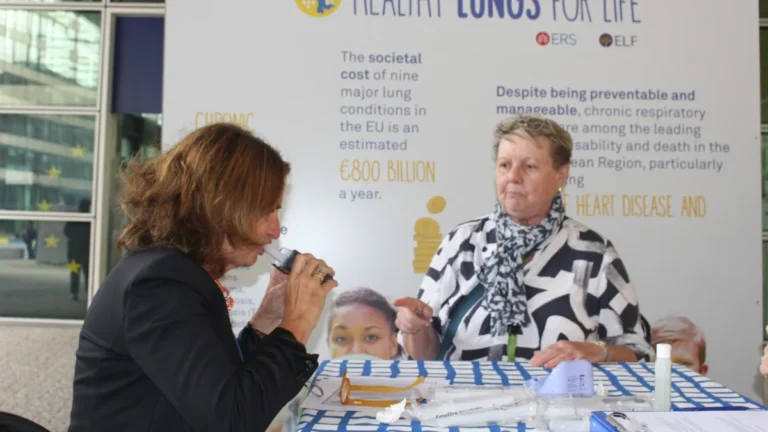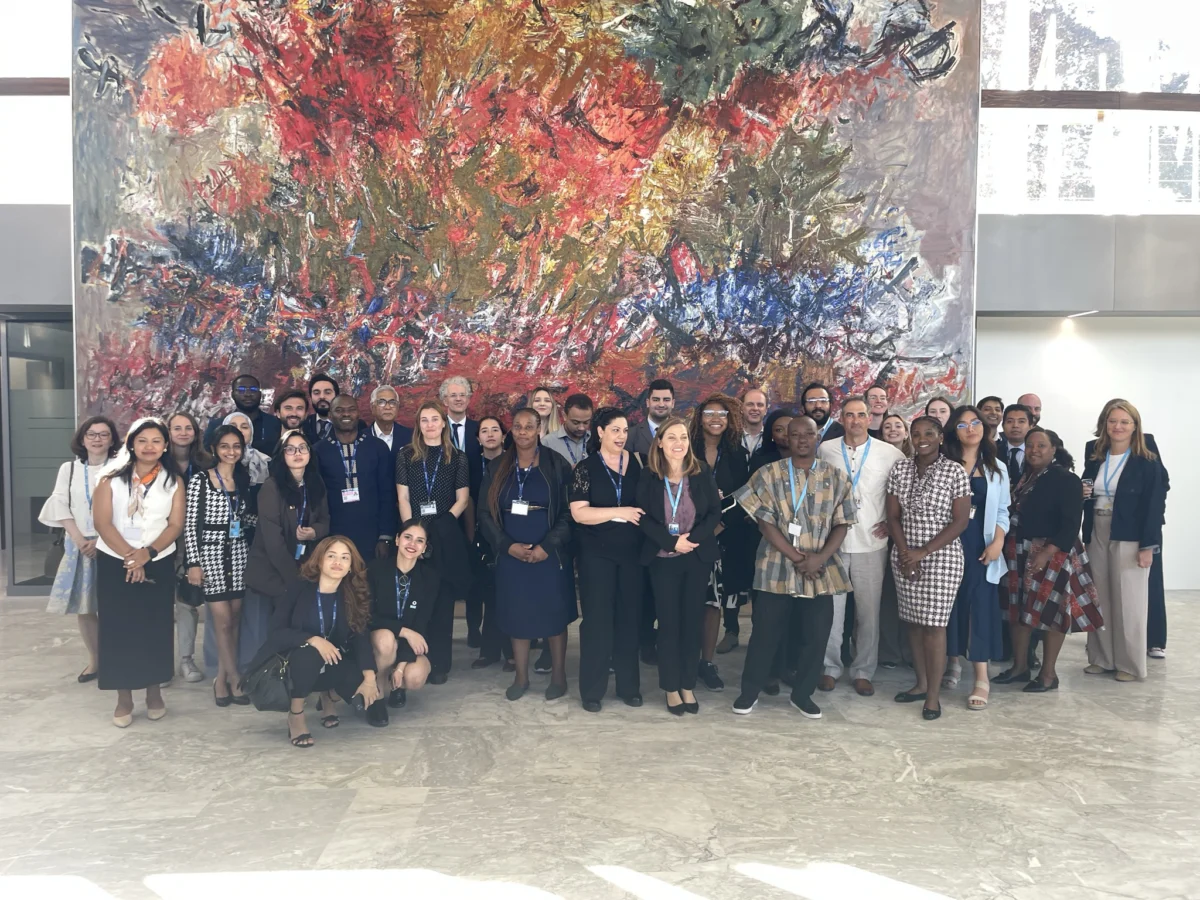
GENEVA, Switzerland – Last week, the international health community converged in Geneva for the 79th World Health Assembly (WHA79), the supreme decision-making body of the World Health Organization (WHO). As global health systems face the dual pressures of post-pandemic recovery and rising chronic disease burdens, this year’s assembly served as a critical platform for setting the priorities that will define international cooperation for years to come. Among the most pressing items on the agenda were the systematic strengthening of lung health, the urgent need for integrated respiratory care, and the burgeoning crisis of indoor and outdoor air quality.
Main Facts: The Scope of the WHA79 Agenda
The World Health Assembly serves as the annual gathering where delegations from WHO Member States set the organization’s policies, approve its budget, and debate strategic health initiatives. WHA79 was characterized by a renewed focus on non-communicable diseases (NCDs), with a specific emphasis on the "silent" burden of respiratory conditions such as asthma, Chronic Obstructive Pulmonary Disease (COPD), and lung cancer.
The core objective of this year’s assembly was to transition from high-level political declarations to tangible, integrated health action. Key takeaways included:
- Integration of Care: Moving away from siloed treatments toward a comprehensive approach where respiratory health is embedded within primary healthcare services.
- Policy Implementation: Accelerating the roll-out of the WHO Lung Health Resolution, which mandates that member states prioritize respiratory infrastructure.
- Environmental Accountability: Elevating air quality to a top-tier public health priority, recognizing it as a fundamental social determinant of health.
Chronology of the Assembly’s Key Developments
The proceedings spanned several days of intensive negotiations, technical briefings, and strategic side events.
Early in the week, the focus was on the structural challenges facing global health financing. Civil society representatives, including members of the WHO Civil Society Commission, met with WHO leadership to emphasize the necessity of sustainable funding for essential health services.
Mid-week saw the high-profile side event, "From Global Commitments to Integrated Lung Health Action," hosted by a coalition of international health leaders, including representatives from Malaysia, Kenya, the Philippines, and Brazil. This session marked a turning point in the conversation, moving from the general concept of lung health to the specific logistics of diagnostic accessibility and the distribution of inhaled medicines.
Towards the conclusion of the assembly, the conversation pivoted toward the environmental determinants of health. Discussions surrounding a potential future WHO Resolution on Healthy Indoor Air took center stage, signaling a shift in how the global community perceives the safety of the spaces where people spend the majority of their lives.
Supporting Data: The Burden of Respiratory Disease
The urgency of the discussions at WHA79 is underscored by sobering statistics presented during the sessions. The data paints a clear picture of why respiratory health can no longer be ignored:
- Universal Exposure: Virtually every human being on the planet is exposed to some degree of polluted air. This environmental crisis is a primary driver of both acute respiratory infections and the development of chronic lung conditions.
- Premature Mortality: Millions of premature deaths are attributed annually to air pollution, making it one of the leading environmental health risks globally.
- Diagnostic Gaps: Early diagnosis remains the single most effective tool for improving cancer outcomes and managing chronic conditions. Yet, in many low- and middle-income countries, the lack of accessible, affordable diagnostic tools leads to late-stage diagnoses that significantly increase the burden on national health budgets and decrease patient quality of life.
- The Economic Case: Investment in respiratory health is not merely a moral imperative but an economic one. By strengthening primary care and providing consistent access to inhalers, countries can drastically reduce the number of costly, preventable hospital admissions.
Official Responses and Strategic Perspectives
The assembly provided a platform for diverse voices to weigh in on the path forward.
Representatives from nations such as Malaysia and Brazil emphasized the need for "integrated pathways." The consensus among these state leaders was that respiratory care cannot be separated from general health systems; rather, it must be integrated into the primary care settings where citizens are most likely to seek help.
The role of the patient voice was highlighted through the participation of advocates like Kjeld, who, as part of the WHO Civil Society Commission, brought lived experience directly to the negotiating table. Patient organizations argued that global health policy often suffers from a "top-down" bias. By involving those with asthma, COPD, and lung cancer in the decision-making process, the WHO aims to ensure that national health policies reflect the reality of living with these conditions—specifically the need for accessible, localized, and affordable care.
The European Lung Foundation (ELF) and other civil society partners issued a joint statement during the assembly, demanding that governments prioritize:
- Primary Care Infrastructure: Moving diagnosis and treatment out of overcrowded specialized hospitals and into community-based settings.
- Sustainable Funding: Protecting health budgets against austerity measures that could undermine progress in NCD prevention.
- Patient-Centered Policy: Ensuring that the design of healthcare systems is informed by the feedback of those utilizing them.
Implications for Global Health Policy
The outcomes of WHA79 have profound implications for the future of medicine and public health policy.
The Shift Toward Indoor Air Quality
Perhaps the most significant development is the momentum behind the Healthy Indoor Air initiative. With modern populations spending upwards of 90% of their time indoors, the assembly recognized that current building standards often fail to account for respiratory health. Proposals for a formal WHO resolution on this topic suggest that future international regulations may require stricter ventilation and air-filtering standards in schools, workplaces, and public housing.
Strengthening the WHO Lung Health Resolution
The assembly reaffirmed the importance of the WHO Lung Health Resolution. For many countries, this means a requirement to map current respiratory care capacity and identify "care deserts"—geographic or economic areas where patients are unable to access basic inhalers or diagnostic screenings. The resolution acts as a roadmap for countries to integrate these services into their universal health coverage packages.
Empowerment of Civil Society
The formalization of the WHO Civil Society Commission as a key stakeholder in the WHA process marks a departure from traditional, state-only diplomacy. This shift empowers NGOs and patient groups to hold their respective governments accountable for the commitments made in Geneva. The implication is that transparency and public engagement will become central pillars of the WHO’s future governance model.
Looking Ahead: A Sustained Commitment
As the delegates returned to their respective countries, the real work of WHA79 begins. The assembly was not an end, but a catalyst.
For the millions of people living with chronic respiratory conditions, the focus in the coming years will be on the translation of these discussions into national law. The ELF and its international partners have committed to maintaining the pressure, ensuring that the voices of patients are not lost in the bureaucratic shuffle.
The goal for the next cycle of global health governance is clear: to move toward a system where lung health is not a luxury or a secondary consideration, but a fundamental right. Whether through the implementation of new clean air standards or the expansion of community-based diagnostic services, the outcomes of WHA79 set a high bar for global health leadership. The success of these initiatives will be measured not by the agreements signed in Geneva, but by the tangible improvement in the quality of life for patients across the globe.
For further documentation on the proceedings and technical reports from the 79th World Health Assembly, visit the official WHO WHA79 Portal.