











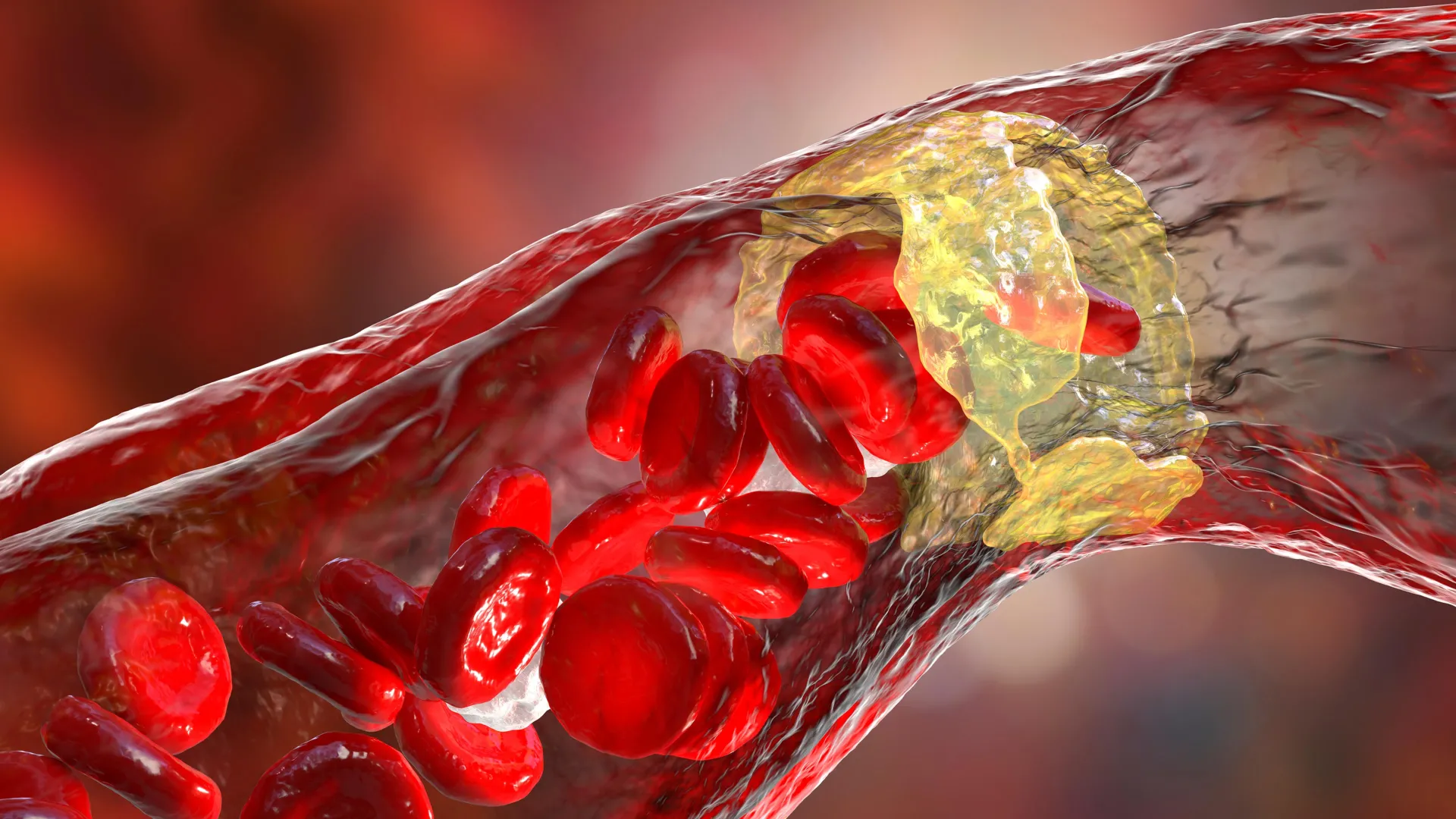
In an era where synthetic polymers have become an inescapable component of the global ecosystem, a startling new study from the University of California, Riverside (UCR) suggests that our pervasive exposure to microplastics may be exacting a hidden toll on human cardiovascular health. The research, published in the journal Environment International, provides some of the most compelling evidence to date that these microscopic particles—derived from the degradation of packaging, synthetic textiles, and industrial waste—may actively accelerate the development of atherosclerosis, the hardening and narrowing of the arteries that serves as a precursor to heart attacks and strokes.
Perhaps most provocatively, the study reveals a striking sex-specific disparity: while microplastic exposure caused a massive increase in arterial plaque formation in male subjects, female subjects remained largely unaffected. This divergence offers a critical new avenue for cardiovascular research, hinting that the biological mechanisms protecting females may hold the key to mitigating the systemic risks posed by plastic pollution.
The Ubiquity of Plastic: A Modern Health Crisis
Microplastics—defined as plastic fragments smaller than five millimeters—have infiltrated every corner of the planet. They are suspended in the air we breathe, dissolved in our drinking water, and embedded within the food chain. Recent forensic analyses have detected these synthetic particles in human blood, lung tissue, and even within the very atherosclerotic plaques that clog human arteries.
Until now, the presence of microplastics in these lesions was largely viewed as an association; researchers could not definitively say whether the plastic was a harmless bystander or a primary driver of disease. The UCR study, led by Professor Changcheng Zhou of the UCR School of Medicine, moves the needle from correlation toward causation. By isolating the effects of these particles in a controlled laboratory environment, the research team has begun to untangle the complex relationship between environmental pollutants and human vascular physiology.
Chronology of the Investigation
To examine the impact of microplastics on cardiovascular health, the research team utilized LDLR-deficient mice, a gold-standard model in medical research for studying atherosclerosis. The experiment was meticulously designed to mimic a "real-world" scenario for a lean, health-conscious human.
The Experimental Protocol
- Baseline Calibration: Both male and female mice were placed on a low-fat, low-cholesterol diet to ensure that the findings were not skewed by traditional cardiovascular risk factors like obesity or high lipid levels.
- Controlled Exposure: Over a period of nine weeks, the subjects were administered daily doses of microplastics—specifically 10 milligrams per kilogram of body weight. This dosage was calculated to accurately reflect the amount of plastic a person might reasonably ingest through contaminated food and water sources in a modern urban environment.
- Advanced Analysis: Following the exposure period, the researchers employed single-cell RNA sequencing—a high-resolution technique that allows for the observation of gene activity within individual cells—to determine exactly how the vascular system responded to the presence of the particles.
Supporting Data: A Dramatic Divergence
The findings of the UCR team were nothing short of alarming, particularly for the male subjects. The study revealed that microplastic exposure significantly intensified the formation of plaques in the aortic root and the brachiocephalic artery.
- Male Susceptibility: Male mice exposed to the microplastics exhibited a 63% increase in plaque accumulation in the aortic root and a staggering 624% increase in the brachiocephalic artery, a critical vessel branching from the aorta.
- The Female "Shield": In a departure from typical cardiovascular disease models, the female mice showed no significant progression of atherosclerosis under identical conditions.
- Independent Risk Factors: Crucially, the researchers confirmed that the microplastics did not induce weight gain, nor did they alter the cholesterol or lipid profiles of the mice. This indicates that the arterial damage was not a secondary effect of metabolic disruption, but rather a direct consequence of the physical and chemical interaction between the plastics and the arterial wall.
The Mechanism of Injury: Endothelial Dysfunction
The research sheds light on how these tiny particles wreak havoc on the circulatory system. The study identified the endothelial cells—the delicate inner lining of the blood vessels—as the primary site of injury.
"We found endothelial cells were the most affected by microplastic exposure," Professor Zhou explained. "Since endothelial cells are the first to encounter circulating microplastics, their dysfunction can initiate inflammation and plaque formation."
By utilizing fluorescently labeled microplastics, the team was able to visually confirm the migration of these particles into the arterial plaques. Once inside, the plastics appear to trigger a "pro-atherogenic" gene pathway. This gene activity was observed in both mouse and human cell lines, suggesting that the molecular mechanism of harm is conserved across species. The particles effectively reprogram the cells, turning them from protective regulators of vascular health into catalysts for inflammation and plaque buildup.
Official Perspectives and Expert Insight
The implications of this study are profound, particularly for public health policy. Professor Changcheng Zhou notes that while the exact biological reason for the male-female disparity remains under investigation, the protective role of estrogen is a leading hypothesis.
"Our findings fit into a broader pattern seen in cardiovascular research, where males and females often respond differently," Zhou said. "Although the precise mechanism isn’t yet known, factors like sex chromosomes and hormones, particularly the protective effects of estrogen, may play a role."
The research team, which included collaborators from Boston Children’s Hospital, Harvard Medical School, and the University of New Mexico Health Sciences, stresses that while the study offers a breakthrough, it also serves as a sobering reminder of the limitations of modern medicine. "There are currently no effective ways to remove microplastics from the body," Zhou warned. "So, minimizing exposure and maintaining overall cardiovascular health—through diet, exercise, and managing risk factors—remains essential."
Implications for Future Health Strategies
The UCR study has opened the door to a new sub-discipline of environmental cardiology. As global microplastic pollution continues to rise, the scientific community is now faced with several urgent questions:
1. Investigating Sex-Specific Resilience
If estrogen or other sex-linked factors are indeed protective, can these pathways be harnessed to develop new therapies for men and post-menopausal women who are at higher risk of microplastic-induced arterial damage?
2. The Influence of Material Type and Size
Not all plastics are created equal. Different polymers (such as polyethylene, polypropylene, or polystyrene) and different particle sizes may have varying levels of toxicity. Future research will focus on whether specific types of plastic pose a greater threat to vascular integrity than others.
3. Public Health Advocacy
The study reinforces the necessity of reducing reliance on single-use plastics. While individual efforts to limit plastic in food containers and avoid highly processed foods are recommended, the authors suggest that the findings should prompt broader policy discussions regarding the regulation of microplastics in manufacturing and waste management.
Conclusion: A Call to Action
The paper, titled "Microplastic exposure elicits sex-specific atherosclerosis development in lean low-density lipoprotein receptor-deficient mice," marks a significant milestone in our understanding of how synthetic materials interact with human biology. By proving that microplastics are not merely environmental pollutants but active biological stressors, the UCR team has provided a powerful impetus for further inquiry.
For the general public, the advice remains pragmatic: prioritize a clean, minimally processed diet and minimize the use of plastic containers, especially when heating food. However, for the medical community, the task ahead is more daunting. Researchers must now work to decode the specific molecular signals that differentiate male and female vascular responses to these particles. As we continue to inhabit a world defined by synthetic materials, the urgency to understand—and eventually mitigate—the cardiovascular impact of our plastic footprint has never been more critical. The work supported by the National Institutes of Health is only the beginning; the next decade will likely define how we manage this invisible, systemic threat to the human heart.