







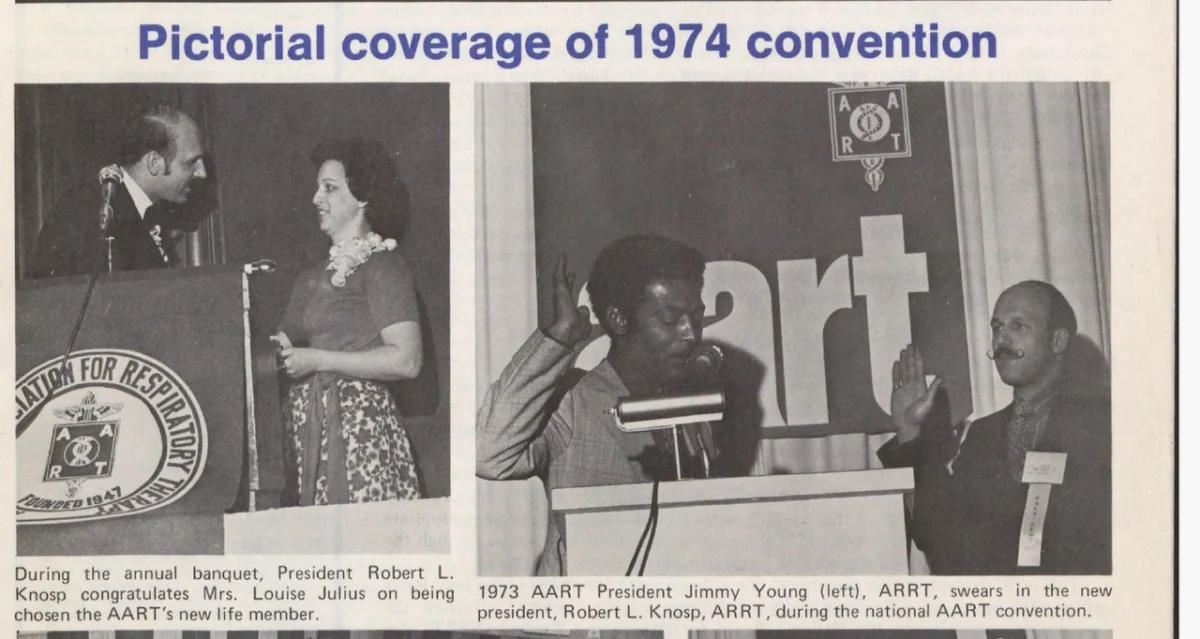
The history of respiratory care in the United States is marked by pivotal moments of clinical advancement and legislative advocacy. At the heart of this progression sits the American Association for Respiratory Care (AARC), an organization that has steered the profession from its infancy into a critical pillar of modern medicine. Central to the AARC’s recognition of excellence is the Jimmy A. Young Award. Named in honor of the late AARC president—a man whose life was synonymous with dedication to the field—this accolade represents the highest honor the association can bestow. It is reserved for those who have moved beyond mere clinical competence to provide a lifetime of sustained, systemic contributions to respiratory care.
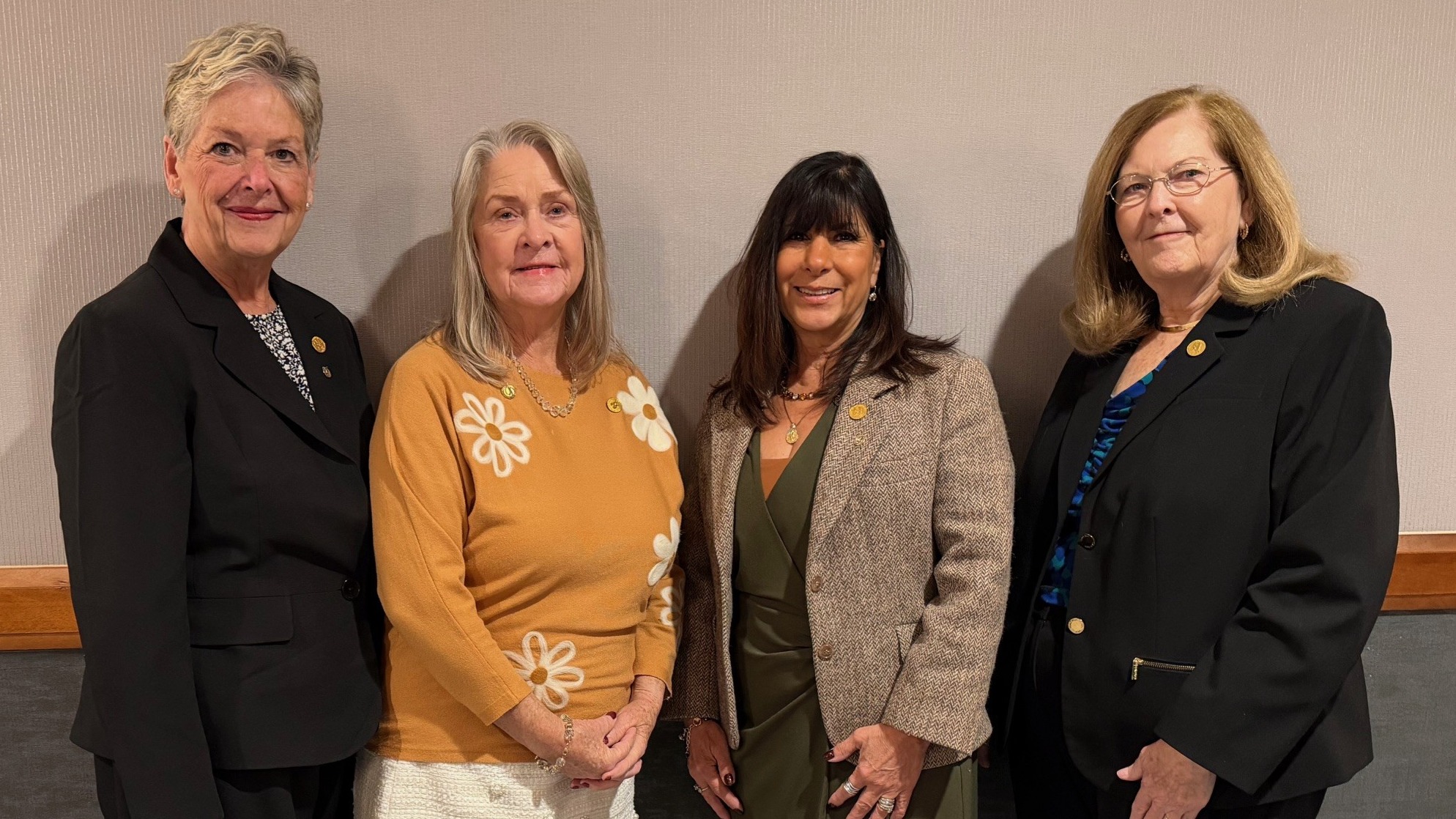
Recently, Lisa Weisenberger, AARC Director of Content and Communications, facilitated a profound, multi-generational dialogue with four of the five women who have been honored with this prestigious award: Dianne Lewis, MS, RRT, FAARC (2025); Trudy Watson, BS, RRT, FAARC (2018); Margaret Traband, MEd, RRT, FAARC (2011); and Teresa Volsko, MBA, MHHS, LSSBB, RRT, FAARC (2020). Together, they explored the evolution of the profession, the changing dynamics of gender in high-stakes clinical leadership, and the enduring nature of service.
A Legacy of Service: The Path to Distinction
The journey to the Jimmy A. Young Award is rarely a straight line; it is a marathon of service that often begins at the local or state level. For these four recipients, the common thread was an unwavering commitment to the patient and the professional infrastructure that supports them.
Dianne Lewis, the 2025 recipient, reflected on the formative years of her career within the House of Delegates. She emphasized that the prestige of the award is an unintended byproduct of doing the "heavy lifting" required for the profession to mature. Lewis played a pivotal role on the Clinical Practice Guidelines Steering Committee, a body that transformed how respiratory care is delivered. "My group wrote and published the first clinical practice guideline for the association," Lewis noted. This achievement was not merely academic; it was a foundational milestone that standardized care for patients across the United States, ensuring that a patient in a rural facility received the same evidence-based care as one in a major metropolitan medical center.
Margaret Traband, who entered the AARC in 1972, echoed this sentiment of grassroots engagement. For Traband, the progression toward national recognition began in the trenches of state societies. "We began with our state societies," she explained. "You don’t do it looking for what else you need to check off a list to get an award. You’re just moving ahead where you think you can do the most good." This philosophy highlights a vital truth: the leaders who leave the most lasting impact are those who view leadership not as a destination, but as a byproduct of solving problems for their peers and patients.
Breaking the Glass Ceiling: A Cultural Evolution
The historical narrative of respiratory therapy is one of rapid growth, yet it has not been immune to the broader societal struggles regarding gender equity. While women have long constituted a significant portion of the respiratory therapy workforce, their representation in the C-suite and the highest tiers of AARC governance was, for many decades, disproportionately low.
The conversation turned toward the shifting landscape of mentorship. Teresa Volsko provided a striking perspective on the "scarcity mindset" that permeated the professional environment of the late 1970s and early 1980s. "In 1979, if you were invited to the table, you didn’t dare bring another woman up with you because there was only one or two seats," Volsko explained. This atmosphere of competition was a survival mechanism born of systemic exclusion.
However, the dialogue among these four women underscored a dramatic cultural shift. The current generation of leaders has moved away from the "gatekeeping" of the past. "Now we have the power to change that landscape from being competitive to really lifting each other up," Volsko asserted. This transition from a competitive, individualistic struggle to a collaborative, mentorship-driven culture has been essential in ensuring that the next generation of respiratory therapists has the support structures necessary to ascend to leadership roles.
Supporting Data: Navigating the Future of the Workforce
As the respiratory care profession looks toward the next decade, the data reveals a dual reality. On one hand, there is a projected surge in demand for respiratory care as the population ages and the complexity of chronic respiratory diseases continues to rise. Dianne Lewis noted the abundance of job opportunities on the horizon, suggesting a robust future for those entering the field.
However, this growth is met with significant headwinds. Trudy Watson highlighted a critical bottleneck: the pipeline of new professionals. "Finding the students to fill the seats in the classroom" remains a primary challenge, even as the industry faces pressure to fill thousands of vacant positions annually. The combination of an aging workforce nearing retirement and the high barrier to entry for accredited programs creates a supply-and-demand mismatch that will require the same level of advocacy that these award recipients have provided for decades.
Furthermore, the post-pandemic landscape has brought the issue of "compassion fatigue" and burnout to the forefront. These leaders recognize that clinical excellence cannot be sustained if the practitioners themselves are suffering. Their advice to the field is rooted in a holistic understanding of the professional experience.
Strategic Lessons for the Next Generation
For those currently in the field or considering a career in respiratory care, the Jimmy A. Young Award recipients offered a roadmap for success that balances technical mastery with professional advocacy:
1. Master the Art of Networking
Trudy Watson emphasized that clinical skill alone is not enough to effect change. Respiratory therapists must be visible, known, and trusted entities within their hospitals and external organizations, such as the American Lung Association. Networking is not about social gain; it is about building the credibility required to influence institutional policy and clinical practices.
2. Be Over-Prepared
Margaret Traband’s reflections on the "Journal Clubs" of the 1970s serve as a reminder that the field of medicine is always evolving. She urged the next generation to maintain a deep, research-backed understanding of their craft. "Being over-prepared is status quo for most of us," Traband noted. "You have to be well-versed, so you don’t come off half-prepared." In a field where lives are at stake, intellectual rigor is the primary currency of influence.
3. Lead from the Bedside
Perhaps the most crucial lesson shared by Teresa Volsko is that leadership is an action, not a title. "Don’t let the fact that you have the title of a clinical respiratory therapist stop you from doing great things. Lead where you are," she advised. This perspective empowers bedside therapists to take ownership of patient outcomes, advocate for new technologies, and influence unit-based workflows, regardless of their formal rank.
Implications: The Horizon Ahead
The retrospective offered by these women serves as both a history lesson and a call to action. The Jimmy A. Young Award is, in essence, a recognition of individuals who refused to be passive observers of their profession. Whether through the standardization of clinical guidelines, the nurturing of state-level societies, or the strategic dismantling of professional barriers, these women have fundamentally altered the trajectory of respiratory care.
As the profession moves forward, the implications of their work are clear: the future of respiratory care relies on a synthesis of clinical excellence and tireless advocacy. The challenges of burnout, workforce shortages, and the increasing complexity of care will not be solved by policy alone. They will be solved by a new generation of therapists who understand that leadership is a collective effort.
For those feeling the weight of the profession’s demands, Margaret Traband offered a poignant, final piece of advice: "The further away you get from the bedside, the less positive reinforcement happens. Take the time to reflect at the end of the day. Know that you’ve alleviated breathlessness and calmed patients. Steep in that moment."
Ultimately, the Jimmy A. Young Award serves as a testament to the fact that the most impactful leaders are those who never lose sight of the patient, even as they work to improve the system from the outside in. By honoring the contributions of Lewis, Watson, Traband, and Volsko, the AARC reaffirms its commitment to a future where the respiratory care profession remains robust, diverse, and, above all, centered on the life-saving mission of helping others breathe.