In a significant breakthrough for dental medicine, new research from King’s College London has unveiled a potential, non-invasive weapon in the battle against periodontitis: the short-term, calorie-restricted diet. For decades, the standard of care for gum disease has remained firmly rooted in mechanical intervention—professional plaque removal and rigorous daily oral hygiene. However, this study, published in the Journal of Clinical Periodontology (JCP), suggests that the future of oral health may lie as much in what we don’t eat as in how we clean our teeth.
The study indicates that periodic fasting can significantly lower inflammatory markers associated with gum disease, providing a systemic approach to a condition previously viewed primarily as a localized oral issue. As researchers bridge the gap between nutritional science and dentistry, this discovery offers a compelling look at how systemic lifestyle modifications can bolster the body’s defenses against one of the world’s most pervasive chronic diseases.
The Silent Epidemic: Understanding Periodontitis
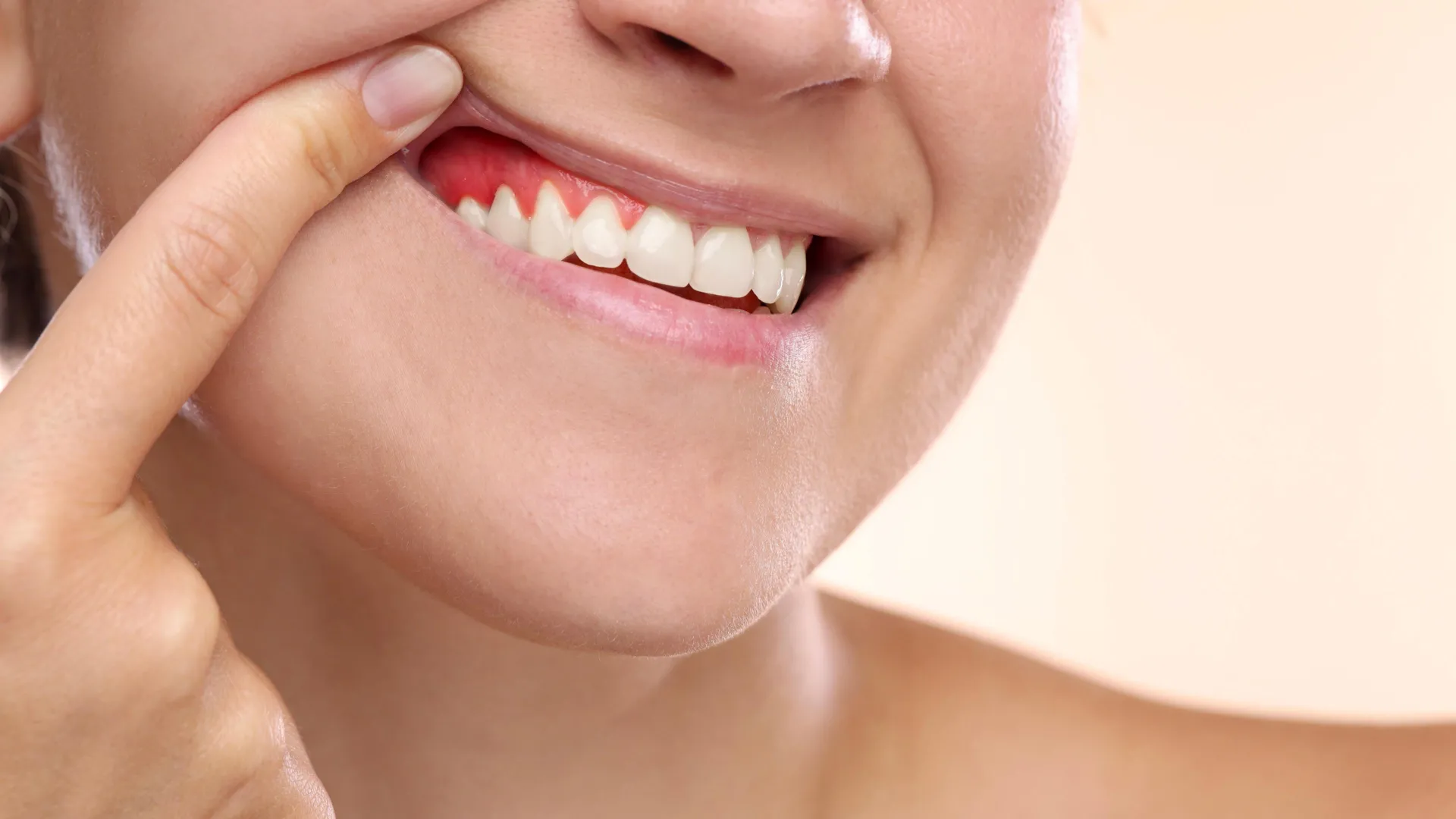
Periodontitis, or severe gum disease, is far more than an oral health nuisance; it is a global health burden affecting millions. Characterized by the destruction of the soft tissue and bone supporting the teeth, the condition is driven by chronic inflammation.
The medical community has long recognized that gum disease does not exist in a vacuum. It is frequently cited as a "bidirectional" risk factor for systemic conditions, including cardiovascular disease, diabetes, and rheumatoid arthritis. When the gums are inflamed, the body’s immune system is in a state of constant activation, releasing inflammatory cytokines into the bloodstream. This systemic inflammation can exacerbate other chronic diseases, creating a cycle of ill health that is difficult to break.
Current treatments—typically scaling and root planing—focus on removing the bacterial biofilm (plaque) that triggers this immune response. While effective, these treatments do not always address the underlying inflammatory state of the patient. This is where the King’s College London research pivots: by using a fasting-mimicking diet to dampen the body’s overall inflammatory response, researchers hope to create a more favorable environment for healing, augmenting the success of traditional dental procedures.
The Study: A Chronology of Investigation
To determine if caloric restriction could influence oral health, researchers recruited 28 participants from hospitals across Spain. The study was structured to evaluate the feasibility and efficacy of a structured, intermittent fasting regimen over a six-month duration.
Phase 1: The Dietary Protocol
The study participants were randomized into two cohorts: a control group, which maintained their standard dietary habits, and an intervention group, which adhered to a specific, three-cycle fasting-mimicking protocol over the six months.
The fasting regimen was designed to be manageable yet metabolically impactful:
- Days 1-2: Participants consumed 1,100 calories per day.
- Days 3-5: Intake was further reduced to 750 calories per day.
- Day 6: A transition day where calories were gradually increased using soft, easily digestible foods.
- Day 7: Participants returned to their normal, unrestricted diets.
This cycle was repeated three times throughout the half-year study period. Importantly, participants reported that the protocol was relatively easy to integrate into their daily lives, suggesting that high-compliance rates are achievable for this type of therapeutic intervention.
Phase 2: Data Collection and Analysis
After the six-month trial, the researchers conducted a comprehensive analysis of both blood samples and gingival crevicular fluid (GCF). GCF is a serum-like fluid that naturally seeps into the gingival crevice—the space between the tooth and gum—and acts as a first-line defense against pathogens.
By analyzing the GCF, the researchers were able to gain a direct, localized snapshot of the inflammatory state of the gum tissue, while blood samples provided data on the patient’s systemic inflammatory status.
Supporting Data: The Impact of Restriction
The results were striking. The intervention group demonstrated a measurable decrease in inflammatory biomarkers compared to the control group. Key findings included:
- Systemic Inflammation: Participants showed a significant reduction in C-reactive protein (CRP), a well-established blood marker that signals inflammation throughout the body.
- Localized Gum Inflammation: The analysis of the gingival crevicular fluid revealed a clear reduction in molecules specifically linked to the inflammatory processes occurring in the gum tissue.
- Oxidative Stress Reduction: The fasting protocol appeared to lower oxidative stress—a condition where an imbalance between free radicals and antioxidants leads to cell and DNA damage.
These findings validate the hypothesis that systemic dietary changes can manifest as tangible improvements in oral tissue health, providing a scientific basis for what has long been anecdotal evidence regarding the connection between diet and inflammation.
Official Responses: Insights from the Research Team
The research team at King’s College London, led by senior author Professor Luigi Nibali and first author Dr. Giuseppe Mainas, emphasizes that these findings are a foundational step toward a more holistic approach to dentistry.
Dr. Giuseppe Mainas on Clinical Integration
"Our study suggests lifestyle modifications could be important alongside proper tooth brushing for patients," says Dr. Mainas. He views the study as a proof-of-concept that necessitates further exploration. "Now we have established this relationship, we would like to do a larger study, before potentially incorporating this into gum disease treatment in the future."
Dr. Mainas is also quick to add a note of caution. "There may be patients where restricting foods can be dangerous, such as those with diabetes, so the advice will need to be targeted to specific patient groups. We are currently investigating how we could implement these benefits in high-risk groups who may not be able to fast."
Prof. Luigi Nibali on Biological Mechanisms
Professor Luigi Nibali highlights the multifaceted ways in which fasting confers these benefits. "There may be multiple reasons why fasting is beneficial to gum disease patients," he explains. "Fasting reduces oxidative stress in the body. Furthermore, the intake of high-calorific foods and refined carbohydrates—common in modern diets—causes significant inflammation. Restricting these, even temporarily, reduces the body’s inflammatory load."
Prof. Nibali also points to the potential for "microbiome modulation." The gut and oral microbiomes are increasingly recognized as critical regulators of health. Fasting may alter the composition of these bacterial communities, favoring those that are beneficial and suppressing those that drive disease. While further research is needed to isolate these mechanisms, the initial evidence is highly encouraging.
Implications: The Future of Periodontal Care
The implications of this research are profound. If a short-term, medically supervised fasting protocol can reduce the inflammatory burden of periodontitis, it could potentially change how we treat "refractory" cases—those patients who do not respond well to traditional mechanical cleaning.
A New Tool in the Toolkit
The researchers do not suggest that fasting should replace the dentist; rather, they envision it as an "additional tool" to support standard treatments. By lowering the systemic inflammatory baseline, dentists may find that patients achieve better healing outcomes after procedures like scaling and root planing.
The Broader Context of Oral-Systemic Health
This study builds upon a growing body of work at King’s College London that explores the intersection of dental health and systemic disease. Last year, the same institution published research suggesting that the Mediterranean diet could reduce the prevalence of gum disease. Similarly, their findings that successful dental treatment can lower the risk of diabetes and heart disease have already begun to shift the perspective of the medical community.
Next Steps for Research
The research team is already looking ahead. The goal is to move from small-scale trials to larger, more diverse patient populations. Moreover, the team is actively investigating how to capture the anti-inflammatory benefits of fasting for individuals who cannot safely abstain from food—such as the elderly, those with metabolic disorders, or individuals at risk of malnutrition. This might involve "fasting-mimicking" supplements or specific dietary patterns that provide the metabolic signaling of fasting without the calorie deprivation.
Conclusion
The research published in the Journal of Clinical Periodontology marks a pivotal moment in dentistry. By demonstrating that the body’s internal inflammatory state is inextricably linked to the health of the oral cavity, King’s College London has provided a new pathway for patients and clinicians alike.
While the "fountain of youth" for gums may not be a simple fix, this study suggests that a deliberate, disciplined approach to nutrition could be the key to managing chronic inflammatory diseases. As we continue to unravel the complex relationship between our diet, our microbiome, and our immune system, one thing is becoming clear: the path to a healthier smile starts not just at the bathroom sink, but in the kitchen.
The study was supported by a grant from the Medical Research Council-Impact Accelerator Account (MRC-IAA), ensuring that this research continues to move from the laboratory toward clinical practice. For the millions suffering from periodontitis, these findings offer a glimmer of hope for a future where oral health is managed with the same comprehensive, systemic care as any other chronic medical condition.