





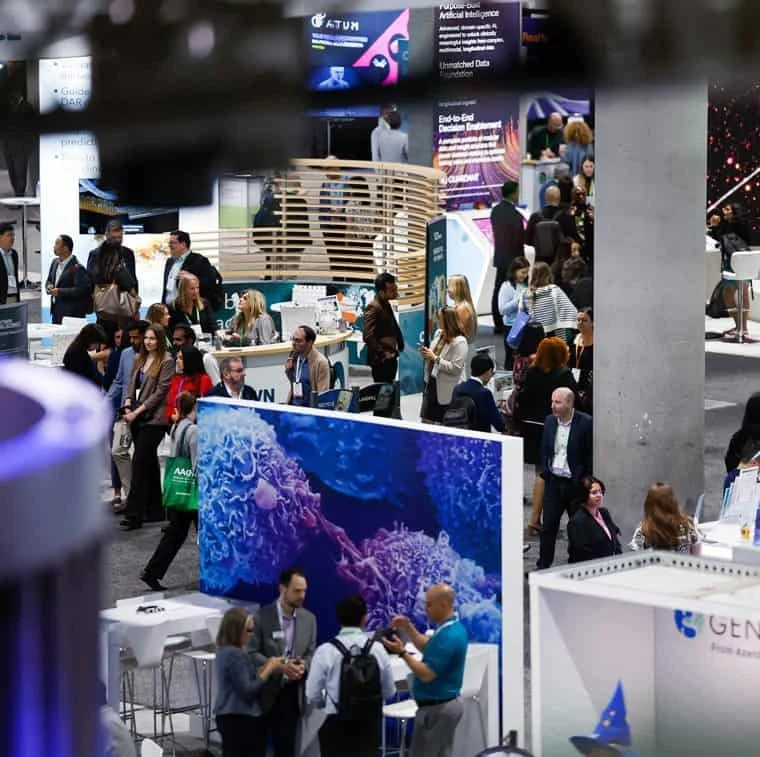
At the 2026 American Association for Cancer Research (AACR) Annual Meeting, the atmosphere was a blend of tempered optimism and urgent resolve. Taking the stage, National Cancer Institute (NCI) Director Anthony Letai, MD, PhD, delivered a keynote that served as both a victory lap for three decades of scientific advancement and a sobering manifesto for the challenges that lie ahead. While the statistics prove we are winning battles, Dr. Letai’s message was clear: the war on cancer requires a fundamental restructuring of how we conduct research, support talent, and deliver care.
Main Facts: The State of the Union in Oncology
The 2026 American Cancer Society’s Cancer Statistics report offers the most compelling evidence to date that modern medicine is changing the trajectory of human health. Over the last 30 years, cancer mortality in the United States has plummeted by approximately one-third. This decline is not merely a statistical curiosity; it represents millions of additional birthdays, milestones, and moments shared between patients and their families.
This progress has been primarily driven by the "Immunotherapy Revolution." By harnessing the body’s own immune system to identify and destroy malignant cells, researchers have transformed formerly terminal diagnoses into manageable, or even curable, conditions. However, Dr. Letai cautioned that this success has created a "clinical paradox." As we become more adept at treating certain cancers, we are simultaneously uncovering the depth of the disease’s biological complexity. The more we learn, the more we realize that "cancer" is not a singular entity, but a diverse landscape of hundreds of unique, evolving molecular profiles.
Chronology of Progress and the Emergence of New Threats
To understand the current landscape, one must look at the timeline of the last three decades:
- 1996–2010: The era of targeted therapy, where the first generation of small-molecule inhibitors began to change outcomes for specific blood cancers and breast cancers.
- 2011–2020: The dawn of checkpoint inhibitors and CAR-T cell therapy, which signaled the arrival of immuno-oncology as a pillar of cancer care.
- 2021–2025: The "Data Consolidation" phase, characterized by the integration of AI and high-throughput sequencing.
- 2026 and Beyond: The current focus on precision medicine, where the emphasis shifts from broad-spectrum treatments to hyper-personalized, data-driven interventions.
Despite this progress, the medical community is grappling with an alarming trend: a sharp rise in early-onset cancers. Most notably, colorectal cancer has ascended to become the leading cause of cancer-related death among adults under 50. Incidence rates in these younger cohorts are climbing by nearly 3% annually, a phenomenon that has left researchers scrambling for answers—be they environmental, lifestyle-based, or genetic.
Supporting Data: The Hurdles to Innovation
Dr. Letai’s address highlighted several "friction points" that currently impede the translation of lab-bench success to bedside reality.
The Data Gap
While we generate more data than ever, it is often siloed. Genomic, spatial, and cellular data remain trapped in proprietary formats or institutional "islands." The NCI and organizations like the Cancer Research Institute (CRI) are pushing for "AI-ready" datasets. The CRI’s Discovery Engine is a prime example of this pivot; by standardizing data collection, it allows AI models to synthesize insights across multiple studies, identifying why a therapy works for one patient but fails for another.
The Regulatory and Global Competitive Landscape
Dr. Letai was pointed in his critique of U.S. clinical trial infrastructure. He noted that the speed of early-phase clinical trials in countries like China is rapidly outpacing the domestic process. He argued that the U.S. research ecosystem is hindered by outdated regulatory pathways and a lack of coordination. To compete globally and serve patients faster, the U.S. must adopt "parallel processing"—where regulatory review, site initiation, and patient recruitment occur simultaneously rather than in rigid, serial phases.
Recurrence and Resistance
Even when immunotherapy succeeds initially, the durability of that response remains a "formidable obstacle." Many tumors possess the ability to evolve, developing resistance to immune-mediated attacks. Understanding these adaptive mechanisms is the next great hurdle in oncology.
Official Responses and Strategic Pivots
The NCI, under Dr. Letai’s leadership, is not merely identifying these problems; it is pivoting its internal strategy to address them.
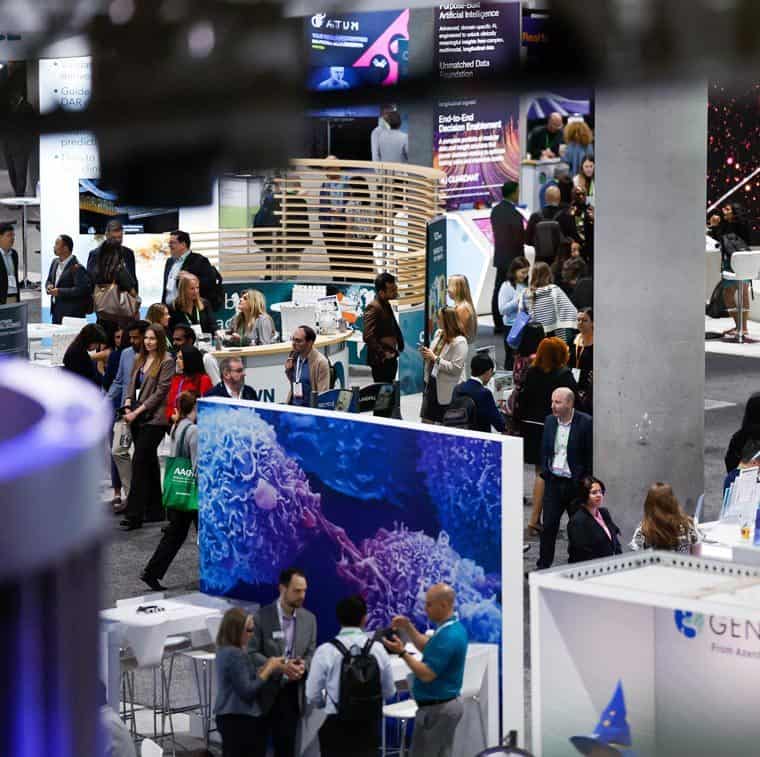
"We are moving toward a model of continuous, collaborative discovery," Dr. Letai stated. This involves a shift from static research projects to dynamic, iterative cycles where clinical outcomes immediately inform the next round of laboratory research.
Furthermore, the NCI is emphasizing the "human capital" crisis. The path to becoming an independent principal investigator is fraught with financial insecurity. The "funding gap"—the period between postdoctoral training and the acquisition of the first major grant—is where the field loses its brightest minds. In response, the NCI is launching new initiatives designed to provide earlier, more consistent financial runways for young scientists.
Supporting this vision, the Cancer Research Institute (CRI) has launched the IGNITE Award. This initiative provides five years of catalytic support specifically designed to bridge the transition from researcher to independent faculty member. This isn’t just funding; it is an investment in the long-term sustainability of the scientific workforce.
Implications: Precision, Partnership, and Purpose
As the 2026 AACR meeting concluded, the implications for the future were crystallized into three guiding principles:
1. The Imperative of Precision
Precision medicine is no longer a luxury; it is a necessity. Future treatments will be dictated by the unique tumor microenvironment of each patient. This requires a deeper integration of AI and advanced analytics to parse through vast datasets, ensuring that the right patient receives the right therapy at the right time.
2. The Power of Partnership
The complexity of cancer demands a collaborative approach that transcends institutional and national boundaries. The "silo" mentality is dead. Moving forward, the research community must prioritize open-access data, shared resources, and international cooperation to accelerate the timeline from bench to bedside.
3. The Mandate of Equitable Access
Perhaps the most significant challenge cited by Dr. Letai is the "equity gap." Advances in science are meaningless if they remain exclusive to affluent populations. There is a profound need for researchers and clinicians to engage with underserved and economically marginalized communities. This involves not only bringing clinical trials to these populations but also improving education and screening protocols to catch cancers early.
A Call to Action for the Public
The message from the 2026 AACR Annual Meeting is one of profound urgency. For the families currently navigating a cancer diagnosis, this research is a lifeline. For the donors and taxpayers who fund these endeavors, it is an opportunity to participate in one of the most consequential human enterprises of the 21st century.
Dr. Letai’s vision for the future is not one of static, incremental gain, but of radical, systemic evolution. By investing in the next generation of researchers, embracing AI-driven precision medicine, and dismantling the barriers to equitable care, the scientific community is setting the stage for the next great wave of breakthroughs. The landscape of cancer is changing, but so too is our ability to navigate it. As Dr. Letai reminded the audience, the next breakthrough is not an inevitability—it is a choice, driven by the work we choose to fund, the collaborations we choose to build, and the commitment we maintain to every patient, everywhere.