









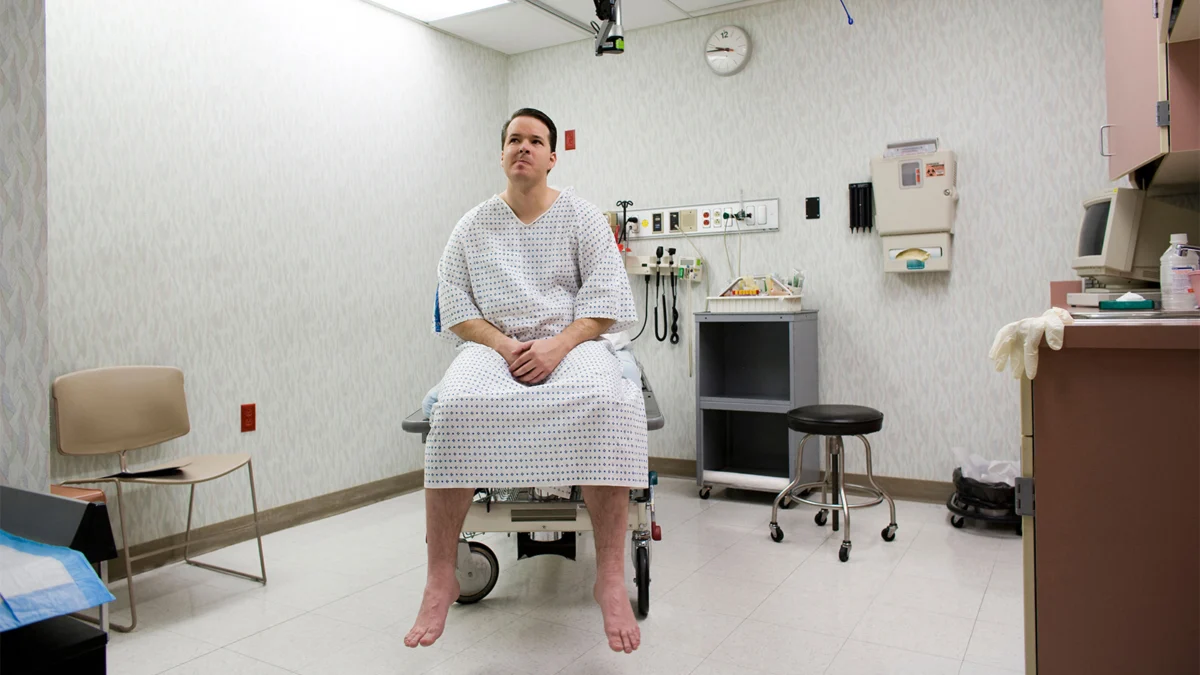
In the sterile, high-pressure environment of modern medicine, language serves as a vital diagnostic tool. Yet, some of the most common shorthand used by clinicians is arguably the most damaging. The phrase "difficult patient"—a label frequently scribbled in chart notes, whispered in hallway handoffs, and echoed during clinical rotations—has become a pervasive, if rarely scrutinized, element of medical culture.
According to Devina Wadhwa, MD, a psychiatrist and assistant professor at the Northern Ontario School of Medicine University, this shorthand is more than just a linguistic habit; it is a clinical blind spot. By pathologizing the person rather than the interaction, the healthcare system risks abandoning its primary directive: to understand the root cause of the patient’s distress.
The Anatomy of a "Difficult" Encounter
The narrative usually begins long before the physician enters the examination room. A colleague offers a cautionary warning: "Be careful with this one; they’re demanding," or "Expect a fight on this discharge." By the time the doctor meets the patient, the clinical encounter is already framed by a narrative of antagonism.
This labeling process is often born from necessity. In a healthcare system characterized by systemic burnout, fragmented care, and dwindling time, clinicians are under immense pressure to navigate high-volume caseloads. When a patient presents with complex emotional needs, requests for "unnecessary" testing, or repeated, unresolved complaints, the label of "difficult" serves as a cognitive shortcut. It signals to the medical team that this encounter will require an expenditure of emotional bandwidth that they may not have to give.
However, as Dr. Wadhwa notes, there is a fundamental difference between an encounter that feels difficult and a patient who is inherently problematic. When clinicians label a patient, they mistake their own internal experience—frustration, fatigue, or helplessness—for an objective clinical diagnosis.
A Chronology of Clinical Bias
The trajectory of the "difficult patient" label often follows a predictable, if unfortunate, path:
- The Pre-emptive Warning: Information is passed between staff members, establishing a baseline of suspicion.
- The Clinical Interaction: The patient, perhaps feeling unheard or fearful, exhibits behaviors—anger, persistent questioning, or resistance—that the physician interprets as confrontational.
- The Diagnostic Shutdown: The physician, reacting to the perceived antagonism, truncates the interaction. Questions that might uncover underlying trauma, chronic pain, or systemic navigation issues are skipped in favor of a quick, procedural resolution.
- The Permanent Record: The label is codified in electronic health records (EHRs), potentially influencing every subsequent clinician who treats the patient.
- The Feedback Loop: The patient, sensing the clinician’s dismissal or lack of empathy, becomes more frustrated or demanding, thereby "confirming" the initial label and reinforcing the physician’s bias.
Unpacking the Data: Why Patients "Act Out"
Clinical literature suggests that patient behavior is rarely an isolated variable. Research into patient-provider communication reveals that behaviors labeled as "difficult" are frequently symptomatic of underlying, unmet needs.
The Role of Trauma and Fear
For many patients, the clinical setting is a source of profound anxiety. Whether they are dealing with chronic illness, addiction, or the aftermath of trauma, their behavior is often a defensive mechanism. Anger is frequently a proxy for fear; irritability can mask deep-seated grief; and distrust is often the byproduct of having been dismissed by the medical establishment in the past.
Systemic Failure as a Driver
The healthcare system itself acts as an incubator for patient frustration. When a patient has spent months navigating a fragmented, bureaucratic maze—where information is siloed and care is inconsistent—they arrive at the next appointment already at their breaking point. When a physician labels this patient "difficult," they are often misattributing the systemic failure of the medical establishment to the individual sitting across from them.
The Human Factor: The Physician’s Reality
Crucially, the "difficulty" of an encounter is a two-way street. Physicians are not immune to the stresses of the modern medical workplace. Over-scheduled clinics, overnight shifts, administrative burdens, and personal stressors all deplete a clinician’s patience. A patient who is manageable at 9:00 AM may seem intolerable at 4:30 PM, not because the patient has changed, but because the clinician’s capacity for empathy has been exhausted.
Examining the Implications of Diagnostic Labeling
The implications of continuing to use such labels are profound. When we categorize a patient as "difficult," "non-compliant," or "attention-seeking," we effectively stop practicing the scientific method.
The Erosion of Clinical Curiosity
The core of medicine is the pursuit of the "why." If a patient presents with a fever, a physician does not stop at the symptom; they investigate the etiology. Yet, when faced with an emotionally demanding patient, the investigation often ceases. We stop asking, "What is driving this behavior?" or "What has happened to this person?" and instead settle for the convenience of a pejorative label.
The Impact on Quality of Care
Studies on healthcare disparities have shown that negative labeling in patient charts can lead to lower quality of care, delayed treatments, and even medical errors. If a physician enters an exam room expecting a "difficult" interaction, they are less likely to listen attentively, more likely to interrupt, and less likely to perform a comprehensive physical or mental health assessment.
Setting Necessary Boundaries vs. Dismissal
Critics of this shift in perspective often raise a valid concern: What about safety? There is a critical distinction between understanding behavior and excusing abuse. Physicians are not obligated to endure harassment, threats, or violence. Professionalism demands that clear boundaries be set in the clinical space. However, as Dr. Wadhwa argues, understanding the driver behind a behavior is not the same as accepting the behavior itself. By identifying the root cause, a physician can often de-escalate a situation before it crosses the line into abuse.
Shifting the Paradigm: From Judgment to Inquiry
If the medical community is to improve patient outcomes and clinician satisfaction, the framework for assessing "difficult" encounters must change. The shift begins with a simple but radical change in the questions clinicians ask themselves.
Replacing "Why" with "What"
Instead of asking, "Why is this patient so difficult?", practitioners should ask, "What is making this encounter difficult?" This subtle shift in syntax moves the burden of the problem from the patient’s character to the interaction itself.
- Is it the system? Does the patient lack access to the resources they need?
- Is it the communication gap? Are the patient’s expectations and the physician’s goals misaligned?
- Is it the clinician’s state? Is the physician’s own burnout or stress level impacting their ability to connect?
Cultivating Humility
Acknowledging the subjectivity of a "difficult" encounter requires a degree of professional humility. It requires clinicians to recognize that their perception of a patient is colored by their own experiences and limitations. This self-awareness is not a failure of professionalism; it is the hallmark of a mature, reflective practitioner.
Redefining Professionalism
The future of medical education must prioritize emotional intelligence alongside clinical proficiency. If medicine prides itself on looking beyond symptoms to understand underlying causes, it must apply that same rigor to the patient-provider relationship.
Conclusion: A New Standard of Care
The phrase "difficult patient" may be a common feature of hospital culture, but it is an obstacle to excellence. It closes doors, fosters cynicism, and obscures the complex human stories that define clinical medicine.
As we look toward the future of healthcare, the goal should not be to make every patient easy to treat, but to become more proficient at navigating the complexity that humans bring into our offices. By replacing judgment with curiosity, and labels with inquiry, physicians can move toward a model of care that is not only more effective but more deeply rooted in the humanity that both the healer and the healed share.
The next time a chart note suggests a patient is "difficult," perhaps the most appropriate response is not to prepare for a battle, but to prepare to listen—to look for the burden that the patient is carrying, and to ask, with genuine interest, what is truly happening in the room. The answer may not always make the work easier, but it will almost certainly make the care better.