









The United States is currently grappling with a public health catastrophe of unprecedented scale. Synthetic opioids, led by the hyper-potent fentanyl, have fundamentally altered the landscape of substance use, claiming more lives annually than the combined toll of motor vehicle accidents and firearm-related injuries. As illicit laboratories continuously refine the chemical architecture of these substances to bypass regulation and maximize potency, the medical community has remained largely reactive—focusing on overdose reversal via naloxone rather than preemptive defense.
However, a paradigm-shifting study from Scripps Research, recently published in the Journal of Medicinal Chemistry, offers a glimpse of a different future. Researchers have developed an experimental vaccine that does not merely treat an overdose; it acts as a preemptive barrier, training the immune system to intercept fentanyl and its dangerous "designer" variants before they can ever cross the blood-brain barrier.
The Mechanics of a Silent Killer
To understand the significance of this development, one must first appreciate the lethality of the adversary. Fentanyl and its analogs function by hijacking the brain’s opioid receptors, which regulate pain, reward, and, crucially, the autonomic control of breathing. In high doses, these drugs effectively silence the signals that command the lungs to expand and contract, leading to rapid, fatal respiratory depression.
Current harm-reduction strategies, such as the administration of naloxone, are life-saving but fragile. They require the presence of a witness, rapid recognition of symptoms, and immediate access to the antidote. By the time a victim is in the throes of an overdose, they are often moments away from irreversible brain damage or death. The Scripps Research team’s vaccine approach aims to remove the "race against time" entirely by creating a prophylactic shield.
Chronology of an Unconventional Discovery
The path to this breakthrough began with a challenge that has long stifled vaccine development for illicit substances: the specificity of the immune response. Historically, vaccines are designed by using a target molecule—or a structure nearly identical to it—to trigger the production of antibodies.
For years, the laboratory of Kim Janda, the Ely R. Callaway, Jr. Professor of Chemistry at Scripps Research, has been at the forefront of immunotherapy for drug addiction. Early efforts focused on targeting specific compounds, such as heroin or individual fentanyl structures. However, these traditional methods faced two significant hurdles. First, working with controlled substances is a logistical and regulatory minefield. Second, the immune system is notoriously precise; a vaccine trained to recognize standard fentanyl might prove useless against a slightly modified chemical cousin, such as carfentanil or furanylfentanyl.
Challenging Conventional Wisdom
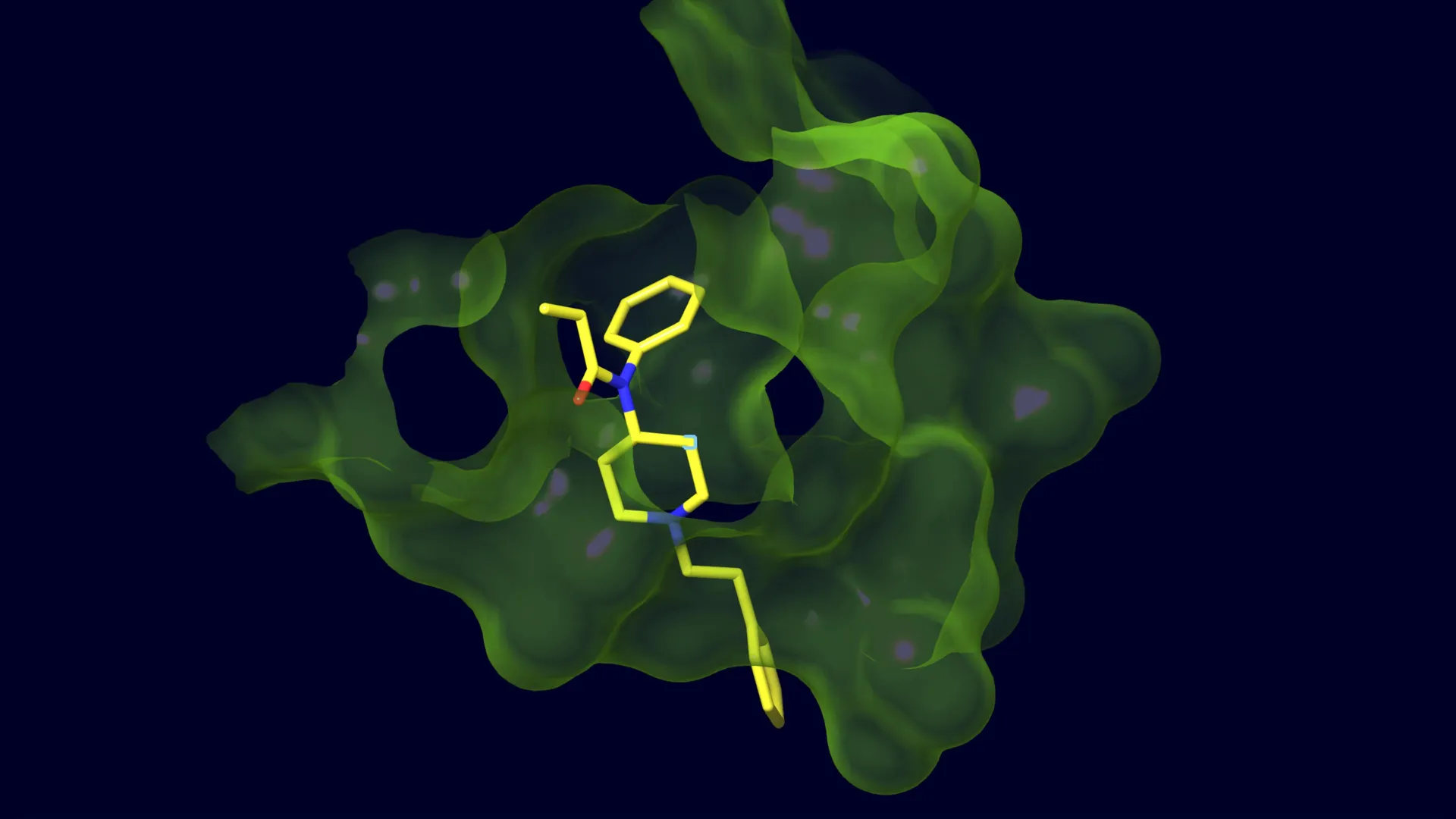
The turning point for the Janda lab came when they dared to abandon the "lock-and-key" model of traditional vaccine design. In their recent study, lead researcher Arran Stewart and his colleagues decided to pivot away from using the drug itself as the foundation. Instead, they synthesized a molecule that possessed the underlying structural characteristics of the fentanyl class but maintained a fundamentally different core architecture.
"When we started testing this molecule as a vaccine component, we honestly didn’t know if it would work," says Stewart. "The conventional wisdom says that to get the immune system to recognize fentanyl, you have to use something that looks like fentanyl. We were doing the opposite."
The team attached this reconfigured molecule to a carrier protein and administered a series of four doses to mice over an eight-week span. The results were not just positive; they were transformative. The immune system, rather than being confused by the structural divergence, generated a diverse library of antibodies that recognized the broader molecular "signature" shared by the entire fentanyl family.
Supporting Data: Proof of Efficacy
The efficacy of the vaccine was subjected to rigorous testing against a variety of synthetic threats. When the researchers exposed the vaccinated subjects to various "designer" drugs—including the notoriously lethal carfentanil, as well as China White, acetylfentanyl, and furanylfentanyl—the antibodies proved remarkably robust.
Key metrics from the study highlight the potential impact of this technology:
- Respiratory Protection: Vaccinated mice maintained near-normal breathing patterns even when administered doses of fentanyl that would otherwise induce severe, fatal respiratory depression.
- Brain Concentration: In a critical metric of success, the study found that fentanyl levels in the brains of vaccinated mice were approximately 70% lower than those in the control group.
- Selectivity: Perhaps most importantly for safety, the antibodies showed no affinity for clinically vital medical opioids such as morphine, oxycodone, and remifentanil. This ensures that a vaccinated individual could still receive necessary pain management during surgery or trauma care without interference from the vaccine.
These findings suggest that the vaccine does not just create a hurdle for the drug; it creates a systemic trap that neutralizes the compound in the bloodstream, preventing it from reaching the neural receptors where it exerts its lethal effects.
Official Perspectives and the Road Ahead
The scientific community has received the findings with cautious optimism. By shifting the focus from individual molecules to entire drug classes, the Janda lab has provided a template that could address the "whack-a-mole" nature of the illicit drug trade.
"The way the fentanyl landscape is evolving, the black-market drug makers are constantly coming up with new versions to skirt regulations and avoid detection in standard screenings," says Dr. Janda. "We need countermeasures that are going to work against all these future variants at once, not just one at a time."
However, the transition from successful animal models to human clinical trials is a complex, multi-year process. The vaccine must undergo extensive safety testing to ensure that the immune response is durable and that no long-term side effects emerge. Furthermore, questions regarding the duration of immunity and the required frequency of "booster" shots will need to be addressed before the vaccine can be considered for widespread public health use.
Implications for Public Health and Policy
The implications of this research extend far beyond the laboratory. If proven effective in humans, this vaccine could become a cornerstone of substance use disorder (SUD) recovery. For individuals in active recovery, the fear of accidental exposure to fentanyl-laced substances—a growing risk as dealers mix fentanyl into everything from cocaine to counterfeit benzodiazepines—is a constant source of anxiety. A vaccine could provide a protective floor, offering a measure of security that empowers individuals to focus on their long-term health.
Moreover, the "class-recognition" approach pioneered by the Scripps team provides a new blueprint for tackling future pharmaceutical threats. As drug chemistry continues to evolve, the ability to train the immune system to recognize structural motifs rather than specific configurations could prove to be the most potent weapon in the medical arsenal against synthetic abuse.
"The public health potential here is significant," Janda concludes. "But so is the lesson that we can design vaccines that recognize an entire drug class, not just a singular drug."
As the Scripps team moves toward the next phases of development, the medical community remains hopeful. While a vaccine will not solve the underlying socio-economic drivers of the opioid crisis, it represents a sophisticated, science-led attempt to neutralize the most immediate and lethal threat to American lives. By staying a step ahead of the traffickers, researchers are finally beginning to change the rules of the game.
The study, titled "Redefining Drug Immune Recognition: A Radically Reconfigured Molecular Architecture Enables Broad Fentanyl-Class Protection," was authored by Kim Janda, Arran Stewart, Lisa Eubanks, Bin Zhou, and Rachel Steinhardt, and was supported by the Shadek Family Foundation.