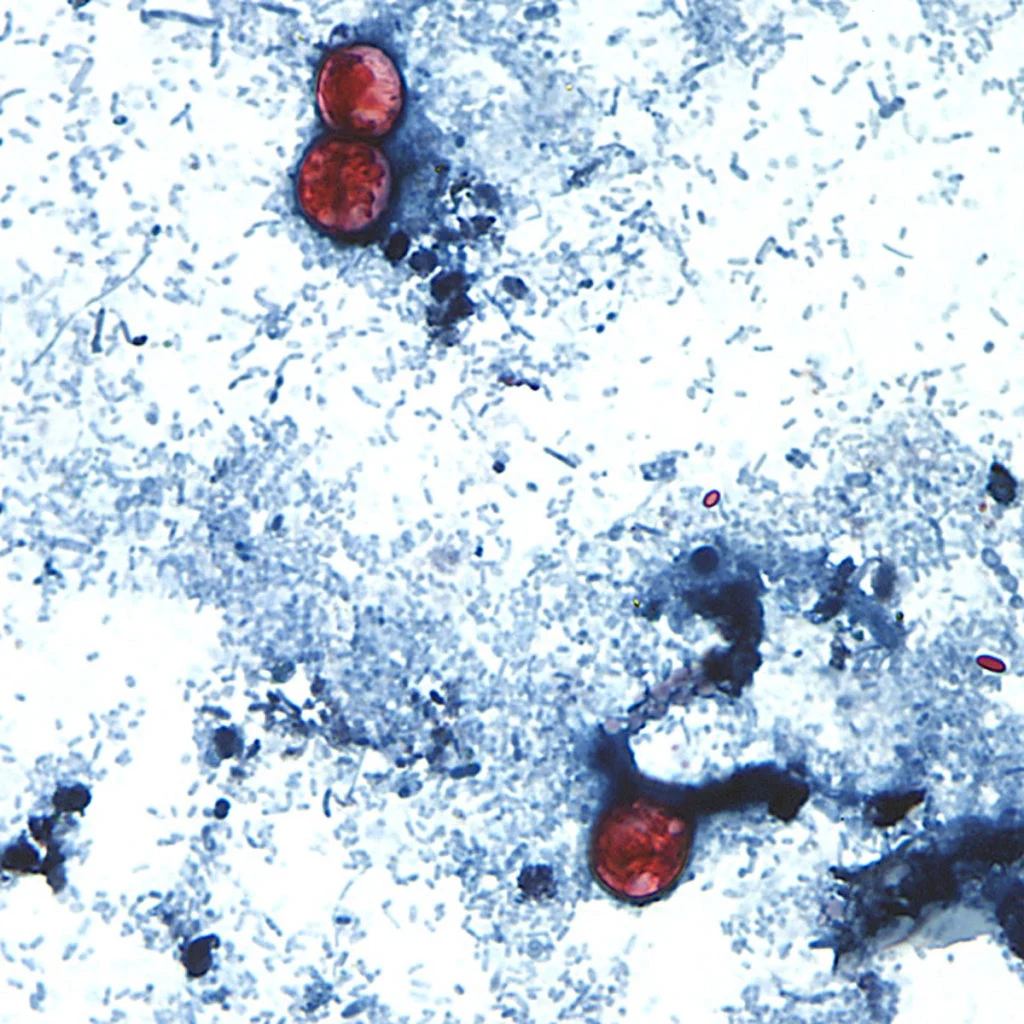
As the summer of 2024 hits its peak, public health officials across the United States are grappling with a persistent and confounding public health challenge: a massive, multi-state outbreak of cyclosporiasis. This parasitic intestinal disease, which typically causes significant discomfort and prolonged illness, has surged to levels far exceeding seasonal norms. With 31 states currently reporting infections and total case counts estimated to be in the thousands, the outbreak has sparked an urgent conversation regarding the nation’s food safety surveillance infrastructure and the challenges of tracking foodborne pathogens in an era of globalized supply chains.
The Scope of the Outbreak: Facts and Figures
Cyclosporiasis is a foodborne and waterborne disease caused by Cyclospora cayetanensis, a microscopic parasite. While the U.S. has periodically experienced outbreaks of the illness, the current trajectory is alarming. Current estimates suggest that more than 4,000 cases have emerged this summer alone.
The epicenter of this crisis appears to be Michigan, which has borne a disproportionate share of the burden. State health officials in Michigan have recorded over 2,600 individual cases, a staggering figure that highlights the intensity of the current transmission. Of particular concern is the severity of these cases; at least 44 individuals in Michigan have required hospitalization due to the intensity of their symptoms. The fact that the outbreak has spread across 31 states underscores the complexity of the transmission, suggesting a widely distributed food source that remains, for the moment, unidentified.
Clinical Manifestations: Understanding the Parasite
For those who contract cyclosporiasis, the experience is debilitating. Dr. Omer Awan, a medical expert from the University of Maryland School of Medicine, describes the symptoms as far more persistent than those of common stomach viruses.
"The typical symptoms are nausea, fatigue, bloating, and, of course, explosive, watery diarrhea," Dr. Awan explained. Unlike common foodborne pathogens like norovirus, where symptoms might resolve in 48 to 72 hours, cyclosporiasis is notorious for its longevity. "With cases of cyclosporiasis, the diarrhea can last weeks, if not months. That is what makes this so problematic."
The clinical challenge is compounded by the parasite’s long incubation period. Once ingested, the Cyclospora parasite can take anywhere from two days to two weeks to manifest symptoms. This long window creates a "memory gap" for patients, who often find it impossible to pinpoint the specific meal or ingredient that led to their infection. This lag also complicates epidemiological efforts; by the time a cluster of cases is identified, the contaminated food product has often already been consumed or discarded, leaving little for public health investigators to test.
Chronology of the Crisis
The summer of 2024 has been marked by a steady, if not rapid, escalation of cases. While cyclosporiasis is historically seasonal—thriving in heat and humidity and typically peaking between May and August—the sheer volume of cases this year is unprecedented.
The Challenges of Source Identification
Historically, outbreaks of cyclosporiasis have been linked to contaminated fresh produce, including lettuce, cilantro, basil, and raspberries. However, the current outbreak has eluded federal investigators. Because the parasite is often associated with imported produce and has a long incubation period, investigators are struggling to narrow down a specific brand or commodity.
The Surveillance Gap
A critical timeline event occurred in July 2023, when the Centers for Disease Control and Prevention (CDC) shifted its reporting requirements. The agency ceased making the reporting of cyclosporiasis mandatory for the Foodborne Disease Active Surveillance Network (FoodNet). Critics argue that this transition to "optional" reporting has severely hampered the federal government’s ability to maintain a real-time, accurate picture of the outbreak. Consequently, while the CDC might report fewer than 1,000 cases based on voluntary data, state-level reporting—such as the massive tally in Michigan—reveals a reality that is three to four times higher.
The Impact of Federal Surveillance Cutbacks
The current outbreak has reignited a fierce debate over the adequacy of public health funding and oversight. Following budget adjustments at the Department of Health and Human Services (HHS), significant staffing reductions occurred at the CDC, specifically affecting the teams tasked with tracking foodborne pathogen outbreaks.
Dr. Awan notes that the combination of these staffing cuts and the shift toward optional reporting has created a "blind spot" in the national response. "If you remember, the CDC has reported less than 1,000 cases, but we know that there are more than 3,000 or 4,000 cases," Dr. Awan stated. "The states have more of an accurate representation than actually even the federal government."
This disconnect between state and federal data is not merely a bureaucratic failure; it is a clinical one. When the federal government cannot accurately aggregate data, it cannot effectively issue nationwide recall notices for contaminated produce, allowing the parasite to continue circulating through the food supply.
Preventive Measures and Best Practices
While there is currently no vaccine for cyclosporiasis, it is not a fatal illness for the average healthy adult. Treatment involves a course of antibiotics, typically a seven-to-10-day regimen of Trimethoprim-sulfamethoxazole (commonly known as Bactrim). Most patients see a significant improvement in symptoms within a few days of starting treatment.
However, prevention remains the most effective strategy. Given the uncertainty regarding the source of the current outbreak, medical professionals are emphasizing a return to "commonsense" hygiene:
- Rigorous Washing: While washing produce with running water is standard advice, it must be thorough. Scrubbing produce is essential to remove potential parasitic eggs that may be embedded in the crevices of leafy greens or berries.
- Temperature Control: Refrigerating produce immediately upon returning from the grocery store is vital to prevent the multiplication of pathogens.
- The Thermal Solution: The most effective way to eliminate the parasite is through heat. Cooking produce at an internal temperature of 158 degrees Fahrenheit (70 degrees Celsius) effectively kills Cyclospora. While this is not always practical for delicate items like lettuce or fresh herbs, it remains a critical safety measure for other food types.
- Hand Hygiene: Consistent handwashing for at least 20 seconds remains the gold standard for preventing the spread of any foodborne illness.
The Broader Implications for Public Health
The 2024 cyclosporiasis outbreak serves as a sobering reminder of the fragility of the American food safety net. As the global food supply becomes increasingly interconnected, the speed at which a single contaminated crop can move from a farm to dinner tables across 31 states is faster than ever.
The current crisis highlights the necessity of robust, mandatory, and well-funded federal surveillance. When surveillance is downgraded to "optional," the ability to detect, isolate, and eliminate foodborne risks is compromised. As Dr. Awan noted, even if the source were identified today, the nature of the parasite’s incubation period means that new cases would continue to appear for at least two weeks.
For the average consumer, the current situation underscores the need for vigilance. If you have been experiencing persistent, watery diarrhea for more than a few days, medical intervention is not just recommended—it is necessary. Seeking a stool test from a healthcare provider is the only way to confirm a diagnosis of cyclosporiasis and obtain the necessary antibiotic treatment to end the weeks or months of misery that the parasite can otherwise cause.
As summer continues, the primary hope is that state health departments continue to coordinate their data, filling the gaps left by federal reporting shifts. Until then, the onus of safety rests largely on the individual: wash thoroughly, cook where possible, and stay informed. The resilience of the public health system will be tested, but the lessons learned from this summer’s outbreak may prove crucial in reforming how the nation monitors the food on its tables.