








A groundbreaking study published in the Journal of Thoracic Oncology has fundamentally shifted the scientific understanding of the relationship between obesity and non-small cell lung cancer (NSCLC). For years, the medical community has grappled with the “obesity paradox”—a series of observations suggesting that, counterintuitively, individuals with a higher body mass index (BMI) might experience lower risks for certain respiratory diseases. However, new research from the Roswell Park Comprehensive Cancer Center suggests this narrative is not only incomplete but potentially dangerous.
By shifting the focus from generalized BMI to the specific measurement of abdominal fat, researchers have identified a biological mechanism through which visceral adiposity actively dismantles the lung’s internal defenses, effectively rolling out a welcome mat for oncological development.
Main Facts: Redefining the Obesity-Cancer Connection
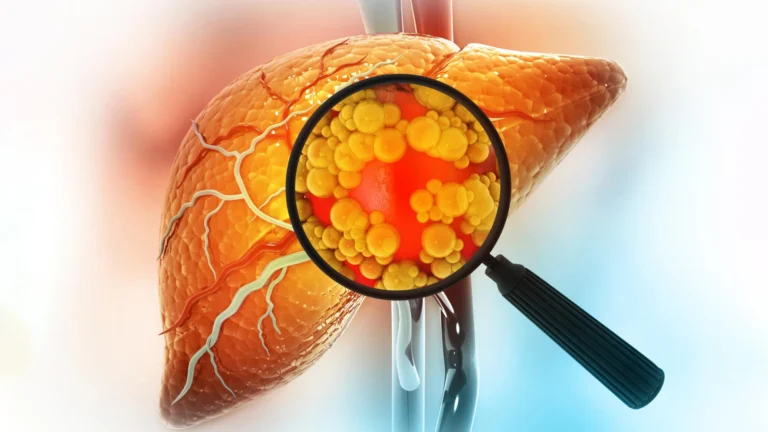
The central premise of the research is that excess abdominal fat is not merely a metabolic burden; it is an immunological disruptor. The study reveals that the accumulation of fat in the abdominal cavity triggers systemic changes that specifically weaken the immune cells residing in the lungs.
When the body carries significant visceral fat, it creates a pro-inflammatory environment. In the context of lung health, this environment alters the behavior of local immune cells. Specifically, the study found that in obese subjects, the lungs become populated with an overabundance of regulatory T cells (Tregs). While Tregs are essential in a healthy body for preventing autoimmune responses, their presence in the context of emerging malignancy is detrimental. They effectively "switch off" the immune system’s surveillance mechanisms, preventing the body from identifying and destroying nascent tumor cells. Simultaneously, the study observed that the "killer" cells—the cytotoxic T cells responsible for tumor elimination—were rendered defective or diminished in number, leaving the lung defenseless against the rapid proliferation of non-small cell lung cancer.
Chronology of the Investigation
The research team at Roswell Park conducted a rigorous, multi-stage investigation to isolate the effects of abdominal fat on pulmonary immunity.
- Initial Observation: Researchers noted a disconnect between clinical outcomes and the "obesity paradox," prompting a deeper look into body composition rather than simple weight-based metrics.
- Data Collection: The team analyzed a substantial cohort of 1,170 current or former smokers. This group was carefully stratified into two categories: 576 individuals who had already been diagnosed with stage 1 or 2 NSCLC, and 576 individuals serving as a screening control group.
- Methodological Shift: Moving away from the traditional BMI, which fails to account for muscle-to-fat ratios or fat distribution, the researchers utilized high-resolution CT scans to measure Total Fat Area (TFA). This provided a precise, physiologically relevant map of abdominal adiposity.
- The Findings: The data revealed a striking correlation: those in the control group who possessed higher levels of TFA were significantly more likely to progress to a lung cancer diagnosis over the follow-up period.
- Preclinical Validation: To confirm the human observations, the team utilized preclinical models, which definitively showed that subjects with higher abdominal fat reserves developed lung tumors at a significantly accelerated rate compared to their leaner counterparts.
Supporting Data: Why BMI Fails Us
The medical community has long relied on BMI as a standard screening tool, yet this study serves as a potent reminder of its limitations. BMI is a crude mathematical ratio that fails to distinguish between lean mass and adipose tissue. As the authors of the study point out, the physiological impact of "central obesity"—the accumulation of fat around the organs in the abdominal cavity—is fundamentally different from peripheral fat.
The data underscores a critical public health crisis: in the United States, approximately 66% of the population now has a BMI exceeding 25. By failing to differentiate between types of body mass, clinicians may be missing a vital diagnostic marker. The study’s use of Total Fat Area (TFA) via CT scans suggests a potential future for lung cancer screening that incorporates body composition analysis to better stratify risk for high-risk patients, such as long-term smokers.
The study highlights that while obesity has been scientifically linked to at least 13 other types of cancer, the link to lung cancer has remained elusive until now. By providing a concrete, mechanism-based explanation—the hijacking of the Treg pathway—the researchers have provided a missing piece of the puzzle that explains why lung cancer mortality remains high among specific demographic groups.
Official Responses: Insights from the Research Team
The lead researchers have emphasized that these findings represent a "call to action" for both clinical practitioners and public health policy.
Sai Yendamuri, MD, FACS, chair of thoracic surgery at Roswell Park, underscored the potential for intervention in a press release following the study’s publication. "Our results provide strong evidence that obesity is a risk factor driving lung cancer development," Yendamuri stated. "Furthermore, strategies to correct the effects of obesity on airway immune cells may help us to prevent or intercept early-stage lung cancers in people at high risk of developing lung cancer."
This perspective shifts the conversation from passive observation to active clinical intervention. By targeting the inflammatory pathways induced by abdominal fat, doctors might eventually be able to "reset" the lung’s immune system, potentially mitigating risk even before a tumor takes root.
Joseph Barbi, PhD, assistant professor of oncology in the department of immunology, highlighted the temporal nature of the damage. "Now we know that obesity impairs the lung’s immune defenses before and during the early stages of tumor development," Barbi noted. This confirms that the damage is not merely a consequence of having cancer, but a pre-existing state of vulnerability created by metabolic imbalance.
Implications: The Future of Oncology and Preventative Medicine
The implications of this study are far-reaching, touching upon clinical diagnostics, patient counseling, and pharmaceutical development.
1. Reimagining Lung Cancer Screening
If abdominal fat is a key driver of tumor development, screening protocols for high-risk populations—such as those with a history of tobacco use—might need to incorporate body composition metrics. A patient with high TFA could be flagged for more frequent monitoring or earlier intervention, even if they appear asymptomatic.
2. Targeting the Immune System
The discovery of the Treg-mediated suppression in the lungs opens new doors for immunotherapy. If researchers can develop pharmacological agents that neutralize the immunosuppressive effects of Tregs specifically within the pulmonary environment, they could potentially reverse the "defensive wall" that obesity builds around developing tumors.
3. Public Health Policy
With two-thirds of the American population currently categorized as overweight or obese, the societal implications are staggering. The findings provide a compelling argument for integrated health programs that combine smoking cessation with metabolic health management. By treating the patient holistically—addressing both the respiratory damage caused by smoking and the systemic immune dysfunction caused by obesity—healthcare providers can offer a more robust defense against lung cancer.
4. Ongoing Research
The research team is not stopping here. Supported by grants from the National Cancer Institute (NCI), the Roswell Park Alliance Foundation, and the American Lung Association, the investigators are currently expanding their scope. They are working to identify other potential mechanisms through which obesity compromises pulmonary immunity. The goal is to build a comprehensive map of how the endocrine and immune systems communicate within the lungs, ultimately aiming to develop "immunometabolic" therapies that treat the patient’s underlying metabolic state alongside the malignancy itself.
In conclusion, this research marks a turning point in oncology. It moves the discussion of obesity away from vague associations and toward a precise, actionable understanding of cellular biology. By recognizing that abdominal fat is an active participant in the failure of the lung’s immune system, the medical community is now better equipped to develop the next generation of preventative strategies, potentially saving thousands of lives in the process. As we look to the future, the integration of metabolic health into the standard of cancer care is no longer just an option; it is an imperative.