








14 July, 2026
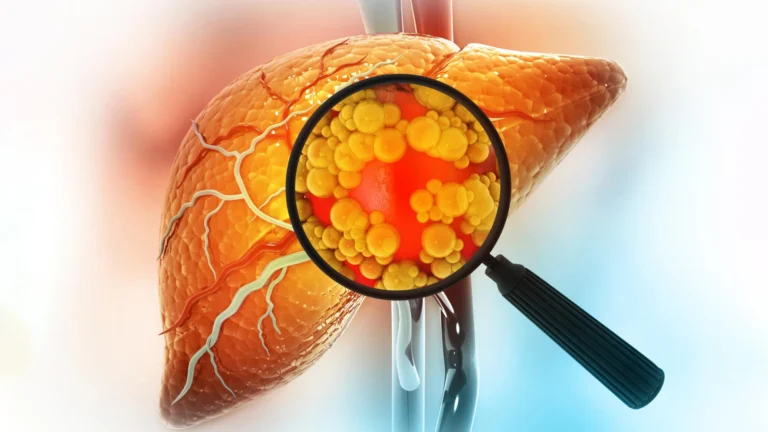
As the landscape of respiratory medicine undergoes a period of rapid transformation, the focus on rare genetic conditions has never been more critical. Alpha-1 Antitrypsin Deficiency (AATD)—a condition characterized by a lack of a protective protein in the blood that leads to lung and liver disease—remains a complex challenge for clinicians and patients alike.
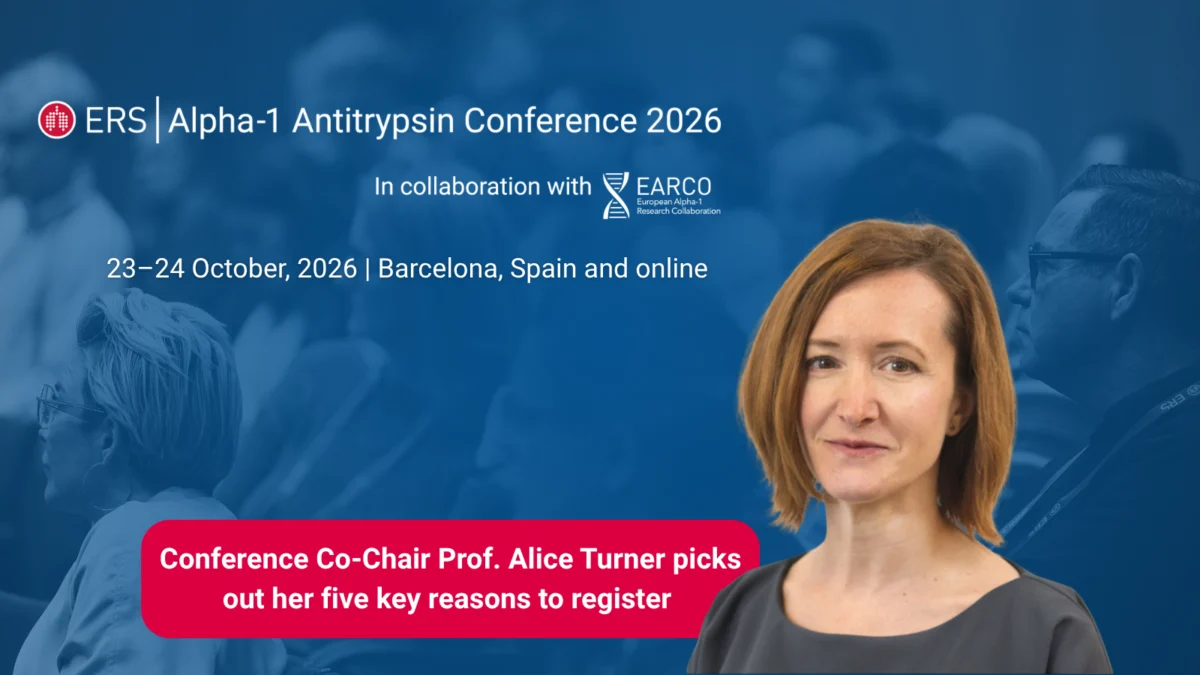
In a move to consolidate global expertise and catalyze innovation, the European Respiratory Society (ERS) is set to host its highly anticipated Alpha-1 Antitrypsin Conference. Designed as a high-impact, two-day summit, the event aims to move beyond traditional lecture-based learning to foster a collaborative environment where research meets clinical application.
Main Facts: A New Frontier in AATD Management
The upcoming ERS Alpha-1 Antitrypsin Conference is not merely a scientific meeting; it is a strategic gathering designed to accelerate the diagnostic and therapeutic journey for AATD patients. By bringing together the brightest minds in pulmonology, genetics, and pharmaceutical research, the conference serves as a nexus for those dedicated to navigating the complexities of this condition.
The conference is structured to address the "real-world" challenges faced by practitioners. From the persistent issues surrounding under-diagnosis to the integration of novel therapies, the agenda is curated to ensure that every participant leaves with actionable insights. Whether you are an early-career researcher or a seasoned clinician, the focus remains steadfast: improving patient outcomes through evidence-based practice and global synergy.
Chronology: The Evolution of AATD Advocacy and Research
The trajectory of AATD research has been marked by significant milestones, shifting from a niche diagnostic challenge to a field defined by emerging molecular therapies.
- Mid-20th Century: The initial identification of AATD as a genetic link to emphysema, marking the beginning of decades of clinical observation.
- The Rise of Global Registries: Over the last decade, international collaboration, particularly through organizations like the European Alpha-1 Research Collaboration (EARCO), has allowed for the creation of vast datasets. These registries have been instrumental in defining the natural history of the disease.
- 2024–2025: A period of unprecedented therapeutic development, with several clinical trials entering late-stage phases, bringing new hope to the patient community.
- July 2026 (The Current Context): The ERS conference arrives at a pivotal juncture where these data, trials, and advocacy efforts must be translated into standard clinical practice.
Supporting Data: Why the Field is Shifting
The necessity for this conference is underscored by the current state of AATD research. As Professor Alice Turner, Co-Chair of the conference, notes, the field is evolving at a breakneck speed.
1. The Power of Collaborative Science
The conference will host representatives from all major AATD research groups. This is a critical development because AATD is a multisystemic condition. By pooling data from various global hubs, researchers are now identifying phenotypic variations that were previously overlooked.
2. Emerging Therapies
Data from the last 24 months suggest that we are moving toward a "personalized medicine" approach for AATD. The integration of gene-editing technologies and augmentation therapies is currently being refined through the findings of international registries. The conference provides the only platform where these findings are presented in a cohesive, peer-reviewed setting.
3. Addressing the Diagnostic Gap
Despite advances, a significant percentage of patients remain undiagnosed or misdiagnosed as having COPD or asthma. The conference sessions are specifically designed to address these diagnostic hurdles, providing clinicians with the tools to identify AATD earlier, thereby preventing irreversible lung damage.
Official Responses: Insights from Prof. Alice Turner
In a recent interview, Prof. Alice Turner outlined five key imperatives for attendees, emphasizing that the value of the conference lies in its intimate and focused nature.
"The conference is designed to be a catalyst," Prof. Turner stated. "By keeping the meeting size manageable, we enable the kind of deep, meaningful dialogue that simply doesn’t happen at larger, more impersonal congresses. This is where future research partnerships are born."
According to Prof. Turner, the "hot topics" format—which includes pro-con debates—is essential. One of the most anticipated sessions will focus on the relationship between AATD and bronchiectasis. "This is a controversial area," she explained. "By placing opposing viewpoints in a structured debate format, we allow clinicians to understand the nuances of the evidence, which helps them make more informed decisions in their own clinics."
For early-career professionals, Prof. Turner highlights that the event is intentionally supportive. Through engagement with the EARCO research committee, young investigators can find mentorship and potential placements in expert centres, bridging the gap between theoretical knowledge and practical clinical experience.
Implications: The Future of Global Patient Care
The implications of this conference extend far beyond the walls of the venue. The goal is a unified strategy that links healthcare providers, patient advocacy groups, and the pharmaceutical industry.
Driving Access to Care
A recurring theme of the 2026 summit is the "widening of the net." When industry stakeholders, charities, and clinicians sit at the same table, the result is a more robust advocacy for access to treatment. By highlighting the socioeconomic burden of AATD, the conference aims to pressure policymakers to expand access to life-saving augmentation therapies globally.
Shaping Clinical Guidelines
The insights gained at this conference will inevitably influence the next iteration of clinical guidelines. As research evolves, so too must the standards of care. The debates and workshops held during these two days will serve as a bellwether for the future of AATD management protocols worldwide.
Strengthening the Community
Perhaps the most lasting impact of the event is the strengthening of the global network. AATD can be an isolating condition for both patients and the clinicians who treat them. By fostering a sense of community, the ERS is ensuring that knowledge transfer is not a one-off event but a continuous cycle of learning and support.
Conclusion: A Call to Action
The 2026 ERS Alpha-1 Antitrypsin Conference represents a vital opportunity for any respiratory professional looking to make a tangible difference in the lives of patients. With its blend of cutting-edge science, controversial debates, and unparalleled networking opportunities, it is poised to be the most significant event in the AATD calendar this year.
As the industry moves toward more sophisticated therapies and better diagnostic pathways, the need for a shared vision has never been higher. By attending, you are not just keeping up with the field—you are helping to shape its future.
Registration and Program Details:
- Register for the ERS Alpha-1 Antitrypsin Conference: Secure your place in this high-level forum.
- View the Full Conference Programme: Review the session tracks, speaker lineup, and workshop schedule to plan your attendance.
In the rapidly shifting world of respiratory medicine, the ERS Alpha-1 Antitrypsin Conference offers the clarity, connection, and scientific rigour required to push the boundaries of what is possible. Whether you are seeking to update your clinical practice, explore research collaborations, or contribute to the global policy conversation, this is the definitive venue for the future of AATD.