











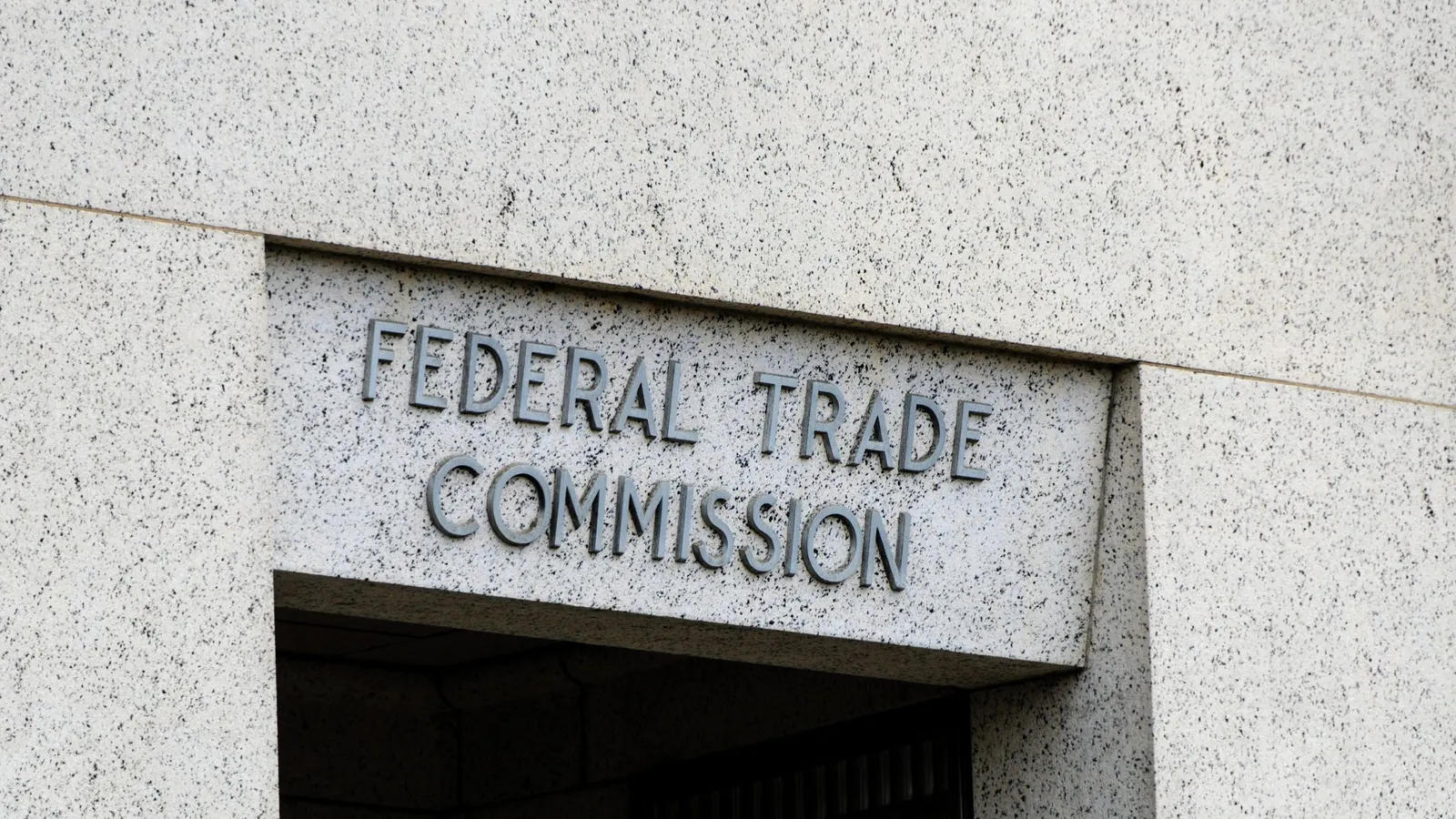
In a move that promises to alter the fundamental mechanics of the American pharmaceutical supply chain, CVS Health’s pharmacy benefit manager (PBM), Caremark, has reached a comprehensive settlement with the Federal Trade Commission (FTC). The agreement, finalized this week, mandates sweeping changes to how the nation’s largest drug middlemen structure their formularies, negotiate rebates, and interact with independent pharmacy service providers.
The settlement resolves a high-profile 2024 antitrust lawsuit that accused the "Big Three" PBMs—Caremark, Express Scripts, and Optum Rx—of inflating the cost of life-saving medications, particularly insulin, by favoring high-list-price drugs in exchange for lucrative manufacturer rebates. By forcing a shift toward cost-based transparency and fair competition, regulators hope to curb the escalating costs that have burdened patients and employers for decades.
The Chronology: From Allegation to Resolution
The road to this settlement was paved by years of escalating scrutiny regarding the opacity of the PBM industry.
- 2024: The Catalyst: The FTC launched a formal investigation into the practices of CVS Caremark, Express Scripts, and Optum Rx, specifically targeting their role in the insulin pricing crisis. Regulators alleged that these PBMs effectively penalized lower-cost drug alternatives, forcing patients to pay higher out-of-pocket costs while the middlemen pocketed the difference via manufacturer rebates.
- February 2026: The First Domino: Express Scripts became the first of the major players to reach a settlement with the FTC, setting a template for how regulators would approach the remaining defendants.
- Ongoing: The Optum Rx Status: While Caremark has now joined the fold, Optum Rx is currently in the final stages of negotiating its own agreement with the antitrust agency, signaling an industry-wide pivot.
- July 2026: The Caremark Deal: The FTC announced the formal settlement with CVS Caremark, marking a significant victory for Chair Andrew Ferguson’s aggressive antitrust agenda.
Core Provisions: What Changes for Caremark?
The settlement is not merely a symbolic gesture; it imposes concrete operational mandates on CVS Caremark. Under the terms of the agreement, the company must fundamentally alter its "standard formularies"—the lists of drugs covered by insurance plans.
Prioritizing Patient Savings
Caremark is now prohibited from discriminating against lower-cost drugs. Historically, PBMs often excluded cheaper generic or biosimilar medications if the manufacturer of a higher-cost, brand-name drug offered a larger rebate. The new mandate requires Caremark to prioritize the lowest-cost medications, ensuring that market competition, rather than rebate optimization, dictates formulary placement.
Rebate Pass-Throughs
A central pillar of the settlement is the requirement to pass through negotiated savings to clients. Plan sponsors, such as employers and unions, will now have the right to select a "rebate-free" standard offering. This transparency measure is designed to strip away the "black box" of PBM accounting, allowing companies to see exactly how much their employees are paying for drugs versus what the PBM is collecting behind the scenes.
Integration with TrumpRx
In a unique provision, the settlement includes a forward-looking requirement regarding the "TrumpRx" online drug marketplace. Once regulatory frameworks are established, Caremark will be required to ensure that patient purchases made through this marketplace count toward their health plan deductibles. This ensures that patients who seek cheaper alternatives outside of the traditional PBM ecosystem are not financially penalized.
Curbing Market Power Over Independent Pharmacies
Perhaps the most distinct "wrinkle" in the CVS settlement is the focus on anti-competitive behavior regarding independent pharmacies. The FTC alleged that CVS used its massive market power to block independent pharmacies from collaborating with "pharmacy hubs"—third-party tech platforms that facilitate digital pharmacy services. The settlement prohibits CVS from foreclosing these services and establishes an independent monitor to oversee compliance, ensuring that smaller players can compete on a level playing field.
Supporting Data: The Economic Impact
The scale of the "Big Three" PBMs—Caremark, Express Scripts, and Optum Rx—cannot be overstated. Together, they manage approximately 80% of all prescriptions dispensed in the United States. Consequently, their business model serves as the primary engine for pharmaceutical price fluctuations.
The FTC’s economic analysis projects that this settlement will yield substantial relief for the American healthcare system:
- $8.5 Billion in Total Savings: Over the next decade, the combined impact of the regulatory changes is expected to save consumers and employers up to $8.5 billion.
- $4.5 Billion in Rebate Pass-Throughs: By requiring the direct passing of rebates at the point of sale, the FTC estimates that $4.5 billion will be returned directly to the pockets of patients who have historically overpaid at the pharmacy counter.
These figures represent a significant shift in capital flow, moving money away from administrative "middleman" profits and back toward the actual cost of medication.
Official Responses and Perspectives
The FTC’s Stance
FTC Chairman Andrew Ferguson championed the settlement as a landmark achievement. "This deal will deliver billions in real savings to consumers feeling the pinch from excessive prescription drug prices," Ferguson said in a statement. His focus remains on dismantling the incentives that encourage drug manufacturers to artificially inflate list prices to appease PBM rebate demands.
The Corporate Perspective
CVS Health has framed the settlement as a pragmatic step toward operational certainty. In a statement on their corporate website, CVS emphasized that the agreement "eliminates the need for ongoing litigation and investigations."
Caremark President Ed DeVaney underscored this, stating, "Today’s agreement advances and reinforces the changes we have already put in place and ensures affordability for families and patients across the country." The company asserts that it is already moving toward a more transparent, value-based model, and the settlement serves to codify those internal shifts.
Implications: The End of the Rebate Era?
The broader implications of this settlement suggest that the era of the "rebate-driven" PBM model is nearing its sunset.
Reshaping the Industry
For years, critics have argued that the rebate system incentivized a "perverse cycle": manufacturers raise the list price of a drug to offer a larger rebate, which then makes the drug more attractive to PBMs for their formulary, ultimately forcing patients to pay a higher price based on that bloated list figure. By mandating the preference of low-cost drugs and requiring transparent pass-throughs, the FTC is effectively dismantling this incentive structure.
The Competitive Landscape
While the PBMs may lose a portion of their rebate-based revenue, analysts suggest that the settlements might actually serve the long-term interest of companies like CVS. By settling now, these corporations avoid more draconian legislative threats, such as a complete federal ban on the PBM business model or a forced structural separation of PBMs from their affiliated pharmacies.
Impact on Independent Pharmacies
The inclusion of provisions protecting independent pharmacies is a major victory for local, community-based providers. By ensuring they have access to digital hubs and preventing CVS from "foreclosing" their participation in the market, the settlement provides a vital lifeline to pharmacies that have struggled to stay afloat against the vertical integration of the PBM giants.
Future Regulatory Outlook
As Optum Rx moves toward its own settlement, the landscape for pharmacy benefits is undergoing a forced metamorphosis. The "Big Three" are shifting from being opaque intermediaries to being regulated conduits for drug pricing. While this does not solve the underlying issue of pharmaceutical research and development costs, it ensures that the "last mile" of the delivery chain—the pharmacy benefit—is no longer an engine for excessive, artificial inflation.
Ultimately, the CVS Caremark settlement serves as a warning shot to the entire pharmaceutical industry: the period of unchecked growth through opaque middleman practices is coming to a close. For the millions of Americans managing chronic conditions like diabetes, these changes represent a move toward a more logical, transparent, and affordable system of care.