











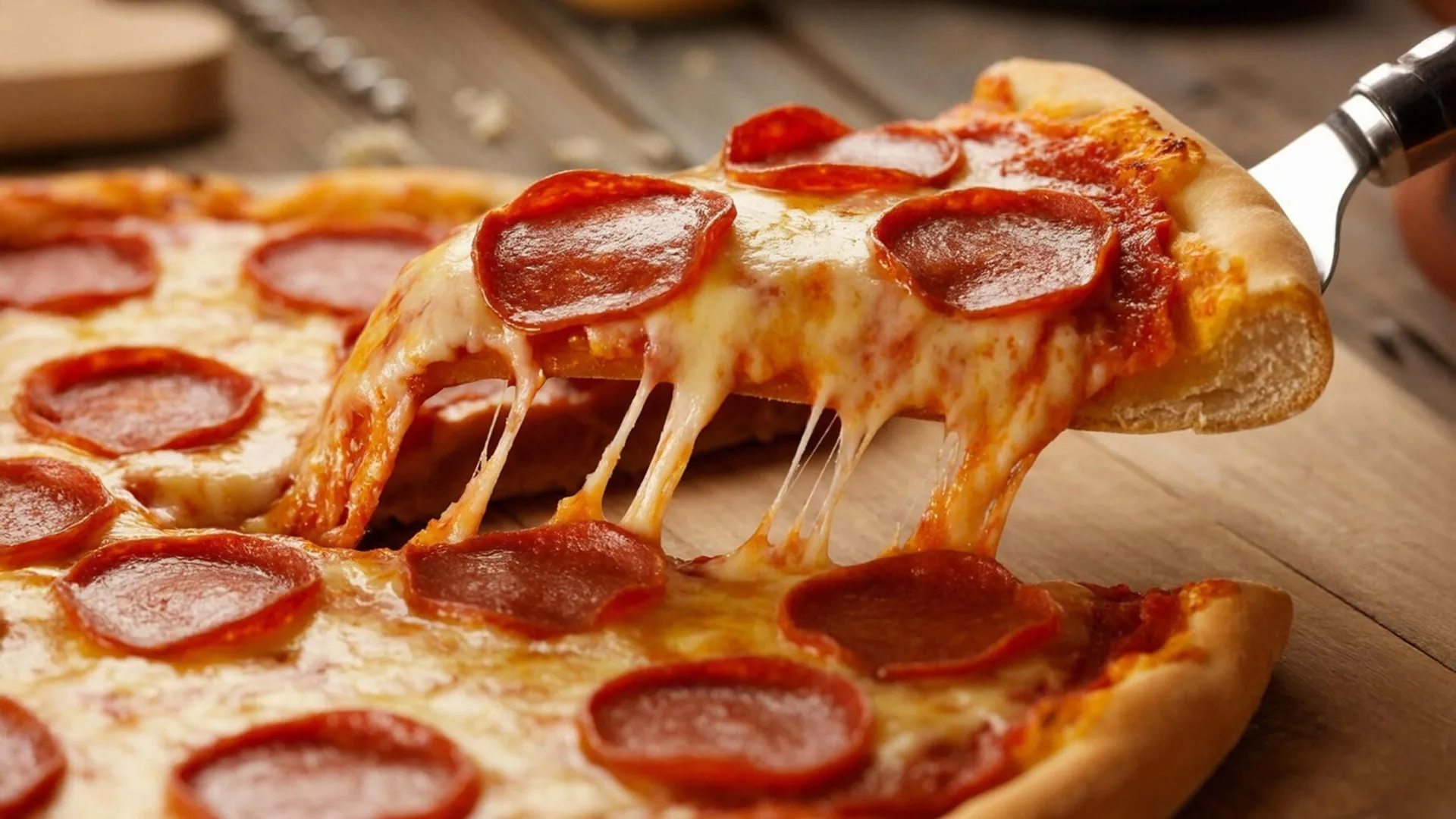
For millions of Britons, the Friday night takeout is a cherished ritual—a reprieve from the kitchen after a grueling work week. Whether it is a spicy chicken tikka masala, a comforting portion of spaghetti carbonara, or a classic pepperoni pizza, these meals are staples of the modern UK diet. However, a startling new study conducted by researchers at the University of Reading has cast a long, salty shadow over the nation’s favorite convenience foods, suggesting that the nutritional information provided to diners is often dangerously inaccurate.
The study, recently published in the peer-reviewed journal PLOS One, reveals that nearly half of all tested takeout meals contained significantly more salt than their labels claimed. In some instances, a single serving provided nearly double the total recommended daily salt intake for an adult, transforming what should be a simple dinner into a significant cardiovascular risk.
The Scale of the Deception: Main Facts
The research team, led by Professor Gunter Kuhnle, set out to investigate the transparency of the takeout industry. By purchasing 39 individual meals from 23 diverse establishments—ranging from large national restaurant chains to small, independent vendors in Reading—the team sought to bridge the gap between advertised nutritional values and the reality of the kitchen.
The results were sobering. Of the items tested that carried nutritional labeling, 47% were found to contain salt levels exceeding the values stated on the menu or packaging. The discrepancy was not merely marginal; in some cases, the sodium content was so high that a single meal reached or exceeded 10 grams of salt. Given that the UK’s National Health Service (NHS) and the World Health Organization (WHO) advise that adults consume no more than 6 grams of salt per day, these meals effectively force a "salt overdose" on unsuspecting diners in one sitting.
Chronology of the Investigation
The investigation was not merely a snapshot of consumer confusion; it was a systematic, data-driven effort to quantify the inaccuracy of current food labeling standards.
- Initial Hypothesis: Professor Kuhnle and his team began the study based on the premise that menu labels in restaurants were, at best, estimates. Unlike pre-packaged supermarket foods, which undergo strict laboratory testing to determine nutritional content, restaurant food is subject to the whims of the chef, the variability of ingredients, and the lack of standardized kitchen protocols.
- Data Collection Phase: The team spent weeks sampling 39 different takeout meals across the Reading area. The selection was designed to be representative of the typical British diet, encompassing Italian, Indian, and traditional English cuisines.
- Laboratory Analysis: Each meal was analyzed in controlled conditions to determine its chemical composition, specifically focusing on sodium levels. This allowed the researchers to compare the "real-world" content against the "advertised" content provided by the restaurants.
- Comparative Review: Once the data was aggregated, the researchers cross-referenced their findings with the recommended daily intake guidelines, mapping the high-salt offenders against the lower-salt outliers.
Supporting Data: Which Foods Are the Biggest Offenders?
The research identified a clear hierarchy of saltiness, with specific culinary styles proving more problematic than others. Curries, pasta dishes, and pizzas consistently emerged as the "high-risk" categories.
The complexity of these dishes—which often involve pre-prepared sauces, processed meats, and various seasoning blends—makes consistent salt measurement nearly impossible for even the most conscientious restaurant. If a chef adds a pinch of salt to a sauce, then adds a handful of salty bacon or hard cheese to a pasta dish, the cumulative effect often goes untracked by the kitchen staff.
The Fish and Chip Surprise
Perhaps the most unexpected finding of the study was the relatively positive performance of traditional fish and chip shops. Historically viewed as a "junk food" staple, these outlets were among the lowest in terms of salt content. The reasoning, according to the researchers, lies in the preparation method.
In traditional chippies, salt is typically applied as a finishing touch, added by the customer at the counter or by the staff upon request. Because the salt is not cooked into the core components of the meal (unlike a pizza sauce or a curry base), the base product remains lower in sodium. This offers a rare glimmer of hope for the takeout enthusiast: simplicity in preparation often leads to greater transparency in nutritional content.
Professional Perspective: The Challenges of the Kitchen
Professor Gunter Kuhnle, who spearheaded the study, is quick to point out that the inaccuracy of these labels is not necessarily an act of malice by restaurant owners. Instead, it is a structural failure of the industry.
"We conducted this research because we suspected that many menu labels were inaccurate on salt," Professor Kuhnle explained. "It is very difficult for restaurants to provide accurate values without measuring each meal. Variations in preparation methods, ingredients used, and portion sizes mean food labels are often guesswork. It’s virtually impossible to know exactly how much salt is being added to your dinner."
Kuhnle’s comments highlight the "guesswork culture" that currently permeates the hospitality industry. While the UK government has made commendable strides in pressuring food manufacturers to reduce salt levels in shop-bought, processed goods—a policy that has successfully lowered the sodium intake of millions—the restaurant sector has largely remained a "wild west" of nutritional regulation.
Implications for Public Health
The implications of this study are profound. The World Health Organization estimates that excessive salt consumption is a primary driver of high blood pressure, which in turn contributes to roughly 1.8 million deaths annually worldwide due to heart disease and stroke.
When consumers believe they are making a "healthy" choice based on a menu label—perhaps choosing a dish that claims to have 2 grams of salt—they are often unknowingly consuming 4 or 5 grams. This renders the practice of menu labeling not only useless but potentially harmful, as it provides a false sense of security.
The "Salty Affair" of Dining Out
For the public, the takeaway message is clear: menu labels should be treated as "rough guides at best." The variability between one batch of curry and the next, or between two different chefs in the same restaurant, means that the number printed on the menu is rarely a precise scientific measurement.
For health-conscious individuals, the researchers suggest several strategies:
- Prioritize Freshness: Opt for meals where the components are clearly visible and less processed.
- Request "No Salt": When ordering, asking for meals to be prepared with little to no added salt can significantly alter the nutritional profile of the dish.
- Mind the Sauces: Highly seasoned, liquid-heavy dishes like curries and pasta sauces are often the primary vehicles for hidden salt.
- Balance the Day: If you know you are having a takeout meal in the evening, aim for very low-salt options for breakfast and lunch to compensate.
Conclusion: Is Regulation the Next Step?
The University of Reading study serves as a wake-up call for both the government and the restaurant industry. While voluntary salt reduction programs have seen success in the supermarket aisles, the evidence suggests that the restaurant sector requires a more rigorous approach.
If the UK is to meet its public health targets regarding cardiovascular disease, the "salty affair" of dining out must be addressed. Whether through mandatory standardized testing for large chains or better education for independent business owners on the importance of consistent salt measurement, the status quo is no longer sustainable. Until such changes are implemented, the responsibility falls on the consumer to remain vigilant. The next time you sit down to enjoy a favorite takeout meal, remember: the menu might be telling you one thing, but your health may be paying a much higher price.