










For many, the physical changes that accompany aging—specifically the accumulation of "belly overhang"—can feel like an inevitable consequence of time. It is a common misconception that the only path to a flatter midsection after 60 is endless, repetitive abdominal crunches. However, modern fitness coaching and physiological research suggest a far more effective, full-body approach.
By leveraging a simple household chair, individuals can engage in a high-impact, low-risk routine that builds lean muscle, boosts metabolic rate, and fundamentally changes body composition. This article explores the science behind chair-based training, provides a professional, step-by-step circuit, and examines the long-term implications of strength training for the aging population.
The Science of Body Composition Over 60
Main Facts: Why Spot-Reduction Fails
The primary barrier to managing belly overhang is the myth of "spot reduction." Biological evidence confirms that you cannot dictate where your body loses fat simply by exercising a specific muscle group. Performing 500 crunches will strengthen your abdominal wall, but it will do little to address the layer of adipose tissue resting atop those muscles.
Instead, the key to a leaner waistline lies in systemic metabolic demand. By training larger muscle groups—such as the quadriceps, glutes, and back—you force the body to utilize more energy. This not only burns more calories during the session but also stimulates muscle protein synthesis, which is critical for maintaining a healthy metabolic rate as we age.
Chronology of Physical Changes
- The Muscle Decline: Between the ages of 30 and 60, adults lose approximately 3% to 5% of their muscle mass per decade. This condition, known as sarcopenia, slows the metabolism, leading to the increased storage of visceral fat.
- The "Overhang" Development: As collagen production decreases and muscle tone diminishes, the structural integrity of the core weakens, allowing for the characteristic protrusion of the abdominal area.
- The Intervention Phase: By initiating a structured resistance program at 60+, the body can reverse these trends. Research from the National Institutes of Health indicates that even sedentary individuals can see significant improvements in insulin sensitivity and body fat percentage through just three months of consistent strength training.
The Strategic Role of the Chair
A chair serves as more than just a piece of furniture; it is a vital tool for accessibility and biomechanical precision. For those over 60, joint health is a primary concern. A chair provides a "stable reference point" that eliminates the need for complex balancing acts while ensuring the user reaches the correct depth for movements like squats and lunges. This allows for cleaner, safer repetitions that prioritize muscle recruitment over momentum.
The Full-Body Chair Circuit: A Professional Protocol
1. The Chair Squat: Building Foundational Power
The squat is the "king" of functional movements. It mirrors the daily act of rising from a sofa or a toilet, making it essential for independence.
- The Benefit: By targeting the quads, glutes, and hamstrings, you utilize the largest muscles in the body, maximizing calorie burn.
- Execution: Stand in front of your chair, feet shoulder-width apart. Hinge at the hips, keeping your chest tall. Lightly tap the seat with your glutes—do not sit fully—and immediately drive back up through your heels.
- Protocol: 3 sets of 10–15 repetitions. Rest 60 seconds.
2. Chair-Supported Reverse Lunge
Lunges are superior to squats for addressing muscle imbalances between the left and right legs.
- The Benefit: The chair provides a point of contact for balance, allowing you to focus on hip stability and posture.
- Execution: Stand beside the chair, using one hand for light support. Step back with one foot, dropping your back knee toward the floor. Keep the front shin vertical.
- Protocol: 3 sets of 8–10 reps per leg.
3. Incline Chair Push-Ups
Traditional floor push-ups can be daunting or hard on the wrists. The incline modification makes this movement accessible for all fitness levels.
- The Benefit: This move builds the chest, shoulders, and triceps while requiring a "plank-like" tension in the core to keep the body straight.
- Execution: Place hands on the edge of a sturdy, non-slip chair. Keep your body in a straight line from heels to head. Lower your chest to the seat edge and push back.
- Protocol: 3 sets of 6–12 reps.
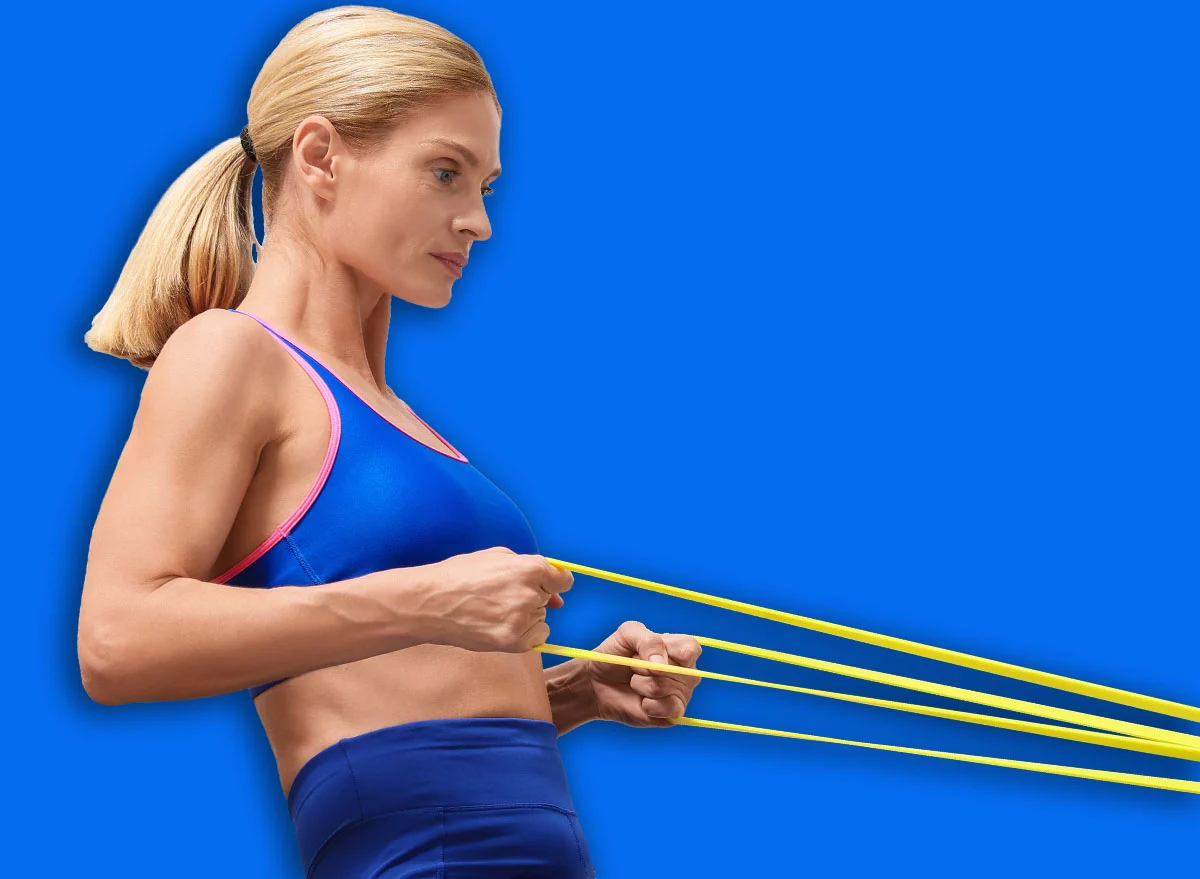
4. Seated Band Rows
Posture is a silent factor in the appearance of the belly. A rounded back makes the abdomen appear more prominent.
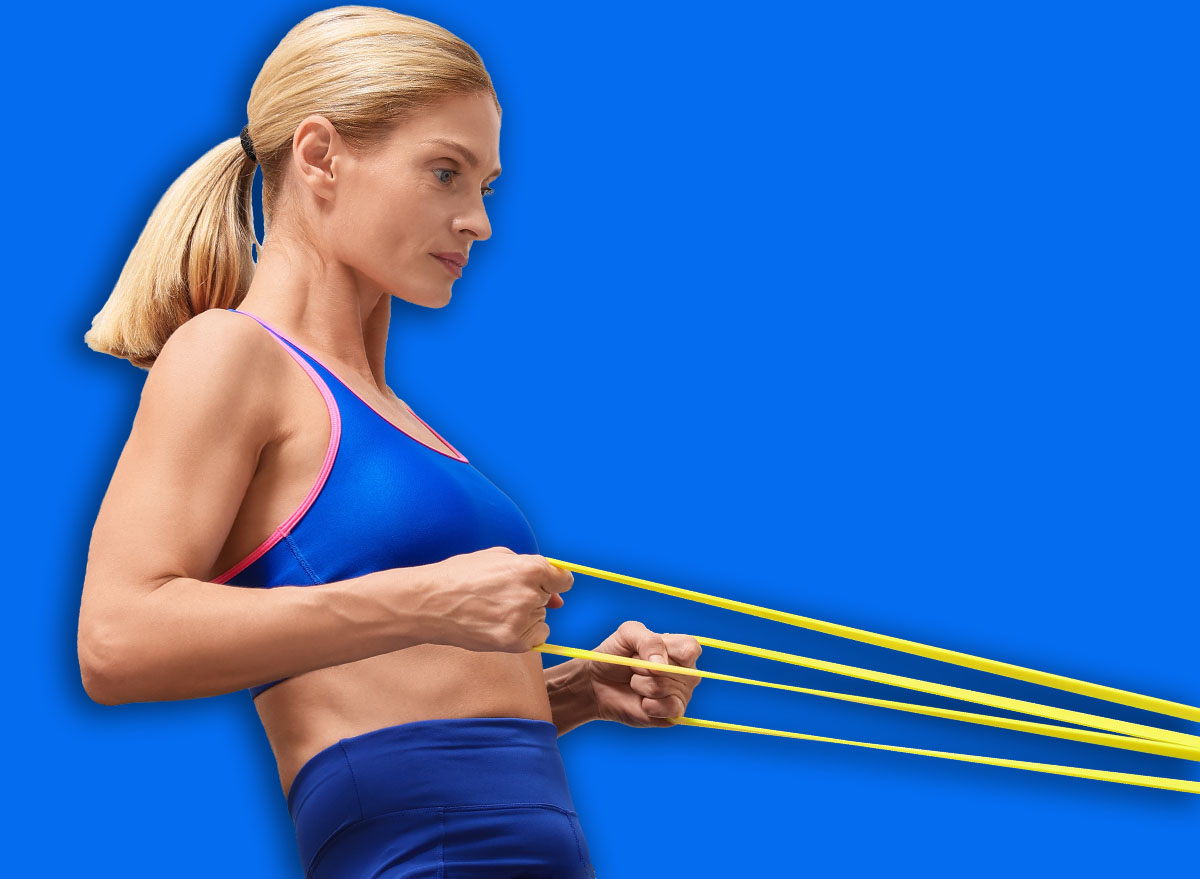
- The Benefit: This targets the lats and rhomboids, pulling the shoulders back and helping you stand taller, which instantly creates a more streamlined silhouette.
- Execution: Sit upright, feet flat. Wrap a resistance band around your feet or a sturdy post. Pull the band toward your ribcage, squeezing your shoulder blades together.
- Protocol: 3 sets of 10–15 reps.
5. Seated Knee Tucks
This is the "core-specific" portion of the workout, designed to challenge the deep abdominals without the strain of floor-based sit-ups.
- The Benefit: It engages the hip flexors and deep rectus abdominis while you remain safely seated.
- Execution: Hold the edges of the chair. Lean back slightly, keep your core braced, and pull your knees toward your chest.
- Protocol: 3 sets of 8–12 reps.
6. Elevated Mountain Climbers
The ultimate "finisher," this move elevates the heart rate for a cardiovascular boost.
- The Benefit: It requires shoulder stability and rapid core engagement, effectively "firing up" the metabolism at the end of the session.
- Execution: Place hands on the chair in a plank position. Alternately drive your knees toward your chest at a steady, controlled pace.
- Protocol: 3 sets of 20–30 seconds.
Supporting Data and Evidence
Clinical studies on geriatric fitness demonstrate that muscle mass is a "metabolic sink." The more muscle you possess, the more glucose your body consumes at rest. In a study published in the Journal of Gerontology, researchers found that older adults who engaged in regular resistance training showed a 15% higher resting metabolic rate compared to those who focused solely on cardiovascular activity like walking. The chair-based approach bridges the gap between high-intensity training and safety, ensuring long-term adherence.
Official Perspectives: The Importance of Consistency
Fitness professionals emphasize that the "over-60" demographic often fails due to unrealistic expectations. The strategy here is not "transformation in a week," but rather the establishment of a sustainable routine.
"The goal," says one leading physical therapist, "is to create a routine that is too simple to skip. By using a chair, you remove the barriers of ‘I don’t have time to go to the gym’ or ‘I don’t have equipment.’ The chair is your gym. Once you build the habit, the physiological changes—the fat loss and muscle toning—follow as a byproduct of consistency."
Implications: A New Lifestyle
What are the long-term implications of adopting this routine?
- Fall Prevention: Increased leg strength from squats and lunges significantly reduces the risk of accidental falls, which is the leading cause of injury in seniors.
- Metabolic Health: Consistent resistance training is linked to better blood sugar control, reducing the risk of Type 2 diabetes.
- Psychological Empowerment: Mastery over one’s own body is a potent tool for mental well-being. Moving with strength and confidence at 60, 70, or 80 years old provides a sense of autonomy that is invaluable.
Final Recommendation
To see the best results, perform this circuit 3 times per week, with at least one rest day in between sessions. Pair this with a protein-rich diet—essential for muscle repair after 60—and maintain a steady, progressive increase in the intensity of your movements.
The belly overhang is not a permanent fixture of aging; it is a sign that your body requires a new type of maintenance. By using these six chair moves, you are not just working your abs—you are building a stronger, more capable version of yourself.