









15 July, 2026
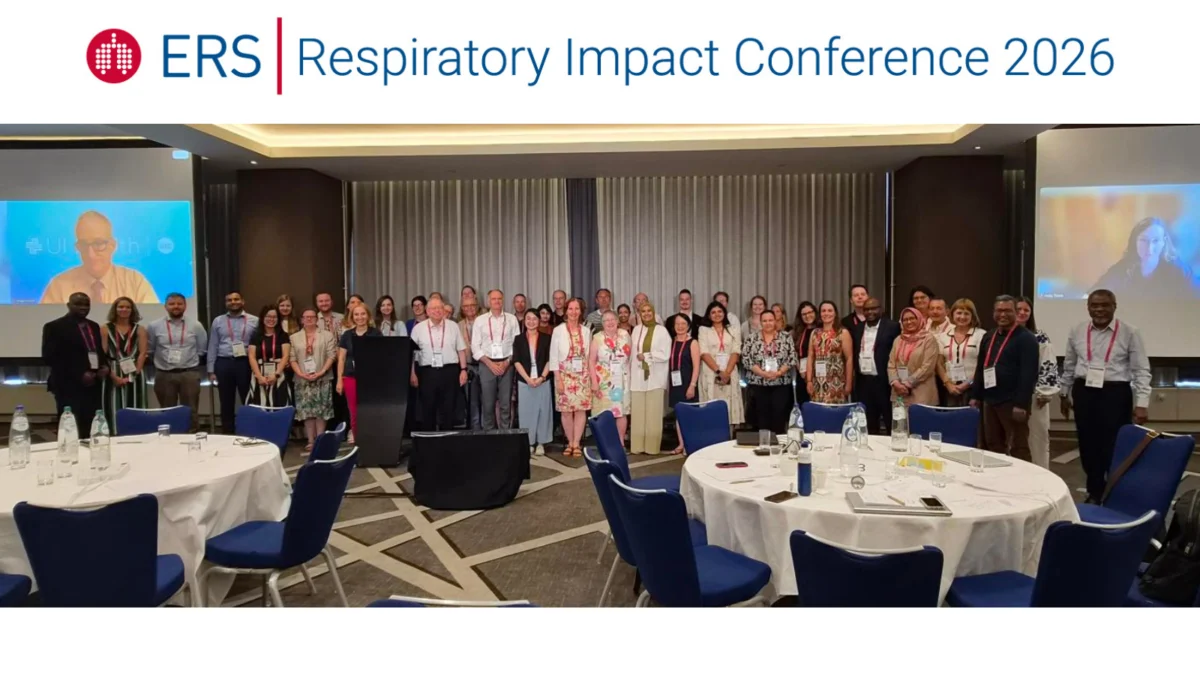
In a pivotal moment for global health policy and clinical practice, the European Respiratory Society (ERS) concluded its inaugural Respiratory Impact Conference at the end of June. This landmark event represents a strategic shift in the organization’s mission, moving beyond the traditional boundaries of discovery science to address the complex challenges of implementation. By convening experts from 38 countries, the ERS has signaled a new era in respiratory medicine: one where the speed and efficacy of translating clinical evidence into routine patient care are prioritized as highly as the initial laboratory discovery.
The Mandate for Implementation: Main Facts
The Respiratory Impact Conference was conceived as a direct response to the "translational bottleneck"—the persistent gap between high-quality research findings and their adoption in real-world healthcare settings. While the medical community has become increasingly adept at identifying the molecular mechanisms of disease and developing novel therapeutics, the systematic application of these advancements remains uneven across global health systems.
The conference brought together a multidisciplinary cohort, including clinicians, bench scientists, implementation researchers, educators, policymakers, and, crucially, patient representatives. This diverse assembly was designed to dismantle the silos that often prevent scientific progress from reaching the patient. By fostering dialogue between those who create the evidence and those who govern its application, the ERS aims to ensure that scientific innovation translates into tangible improvements in respiratory health outcomes worldwide.
A Chronology of the Event
The three-day conference was structured to guide participants through the lifecycle of evidence implementation.
- Day One: The Global Context. The event opened with a high-level keynote address from José Luis Castro, Director-General Special Envoy for Chronic Respiratory Diseases for the World Health Organization (WHO). Mr. Castro’s address served as the foundational pillar for the conference, emphasizing that respiratory diseases—ranging from asthma and COPD to emerging infectious threats—remain a leading cause of morbidity and mortality globally. He challenged participants to move beyond localized pilots and focus on sustainable, scalable policy frameworks.
- Day Two: The Implementation Science Laboratory. The second day was characterized by highly interactive workshops and "implementation clinics." These sessions allowed participants to present real-world obstacles—such as resource constraints in low-to-middle-income countries or systemic administrative hurdles in primary care—to a panel of implementation scientists. The goal was to co-create adaptive solutions that could be piloted across different healthcare infrastructures.
- Day Three: Synthesis and Strategic Outlook. The final day focused on the integration of the ERS’s three core pillars: science, education, and advocacy. Panel discussions synthesized the lessons learned, concluding with a mandate to develop a "Respiratory Implementation Toolkit" that will guide future ERS initiatives and member organizations in their local efforts.
Supporting Data: The Scope of the Challenge
The urgency of this conference is supported by a growing body of data highlighting the disparity in respiratory outcomes. Despite the existence of well-defined clinical guidelines for chronic obstructive pulmonary disease (COPD) and asthma, audit data from across Europe and beyond shows that patient adherence to these guidelines remains inconsistent.
According to preliminary briefings provided during the conference, it takes an average of 17 years for a significant portion of research findings to be integrated into daily clinical practice. This "17-year gap" is the primary target of the ERS initiative. Furthermore, the conference underscored the global inequity in diagnostic access. While high-income nations grapple with the optimization of biologic therapies, many regions still lack access to basic spirometry. The ERS utilized the conference to highlight these gaps, providing a data-driven impetus for the attendees to focus on equity-based implementation models.
Official Perspectives: The Vision for the Future
The success of the conference was anchored by the leadership of Prof. Hilary Pinnock, ERS Education Council Chair and Professor of Primary Care Respiratory Medicine at The University of Edinburgh, who served as Conference Co-Chair. Her perspective provided the intellectual roadmap for the proceedings.
"ERS recognizes that the translational pathway extends far beyond the traditional ‘bench to bedside’ model," Prof. Pinnock noted. "It must encompass the entire journey of how effective treatments are integrated into the chaotic, resource-constrained environment of routine care to truly benefit population health."
She further clarified the symbiotic relationship between the new Impact Conference and the established ERS Lung Science Conference. "The Respiratory Impact Conference complements the discovery science focus that has been served so well by the Lung Science Conference. Together, these meetings represent the full spectrum of respiratory science—from understanding the mechanisms of disease and developing new therapies, through to the messy, essential work of implementation and population health."
The faculty and attendees praised the interactive nature of the sessions. Prof. Pinnock emphasized that the event was a proof-of-concept for the ERS’s integrated model. "The faculty and highly interactive sessions demonstrated that achieving impact relies on the three pillars of ERS: science, education, and advocacy. It was inspiring to see so many disciplines coming together with a shared goal of improving respiratory health."
Implications: Changing the Paradigm of Respiratory Care
The conclusion of the conference marks only the beginning of a long-term strategic shift. The implications of this gathering are likely to be felt in three specific domains:
1. The Institutionalization of Implementation Science
The ERS has effectively declared that implementation science is no longer a peripheral field but a core competency for respiratory clinicians. Future ERS conferences and educational curricula are expected to feature dedicated tracks on policy negotiation, health economics, and stakeholder engagement. This shift ensures that the next generation of respiratory specialists will be equipped not just with diagnostic skills, but with the tools to influence healthcare policy.
2. Strengthening the Advocacy-Policy Nexus
By inviting high-level representatives from the WHO and various national health ministries, the ERS has created a new channel for evidence-based advocacy. The conference demonstrated that when clinicians and researchers speak with a unified voice to policymakers—supported by concrete implementation data—the likelihood of systemic change increases significantly. The "Respiratory Impact" framework provides a template for this type of evidence-backed advocacy.
3. Patient-Centered Co-Design
Perhaps the most significant implication is the formalization of the patient’s role in the research-to-practice pipeline. By including patient representatives as active participants rather than observers, the conference established a precedent: research that is not co-designed with the end-user is inherently less likely to be implemented successfully. This paradigm shift encourages clinicians to view patients as partners in the implementation process, ensuring that treatments are not only clinically effective but also culturally and practically acceptable to those who use them.
A Call to Action
As the attendees return to their respective countries and institutions, the ERS has issued a call to action for the broader respiratory community. The society intends to publish a summary of the best practices identified during the conference, creating a living document that will evolve as new implementation successes are reported.
The 2026 Respiratory Impact Conference has set a new standard for medical societies. It has moved the conversation from "what we know" to "how we make it work." For the millions of people living with chronic respiratory conditions worldwide, this shift holds the promise of a future where scientific breakthroughs are not merely published in journals, but are actively transforming lives in clinics, hospitals, and homes across the globe.
In the words of the organizers, the work of the conference is "ongoing." By bridging the gap between the laboratory and the population, the ERS is ensuring that the full spectrum of respiratory science is directed toward one ultimate, measurable goal: better, more equitable health for all.