







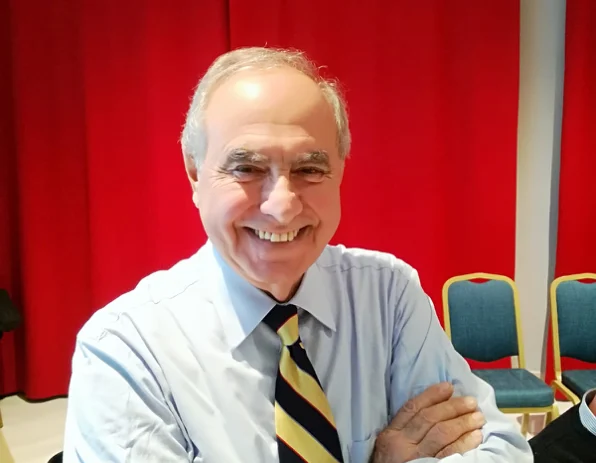
Introduction: A Life Transformed by Diagnosis
In the rarefied air of global pharmaceutical and medical device boardrooms, Luciano Cattani spent decades shaping the trajectory of healthcare innovation. Yet, at age 65, the narrative of his own life was abruptly rewritten. No longer the executive directing strategy, Cattani became a patient navigating a labyrinthine, often bewildering medical system. His journey—from a sudden onset of severe asthma to becoming a leading voice in European patient advocacy—serves as a poignant case study on the critical necessity of integrating the patient perspective into the heart of clinical research.
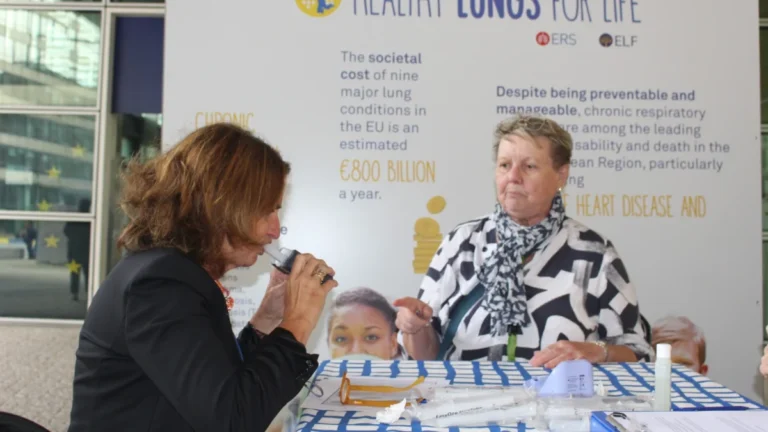
Today, as a key member of the European Lung Foundation’s (ELF) Asthma Patient Advisory Group (PAG) and a catalyst for change within the European Respiratory Society (ERS), Cattani is leveraging his professional expertise to bridge the gap between scientific advancement and the lived reality of those suffering from respiratory disease.
The Chronology of an Unseen Struggle
Cattani’s transition from a high-flying career to the life of a patient was as swift as it was devastating. After years of international travel and strategic oversight in the medical device sector, he found his life—and his health—halted by the onset of severe asthma.
- The Onset (Age 65): A diagnosis that was entirely unexpected, marking the beginning of a five-year period of severe health instability.
- The Years of Uncertainty: Between 65 and 70, Cattani endured recurring flare-ups, frequent emergency room visits, and a profound decline in his quality of life. His professional career ended abruptly, creating a cascade of financial and personal strain.
- The Diagnostic Gap: For six years, Cattani navigated the healthcare system without a clear diagnosis, relying on repetitive cycles of oral corticosteroids and antibiotics—a "band-aid" approach that left the root cause unaddressed.
- The Turning Point: It took eight years in total—six for a diagnosis and two more for the titration of the correct treatment—to regain his health.
This protracted struggle, particularly within the Italian healthcare system of that era, provided the impetus for his future advocacy. Recognizing that his experience was not an anomaly but a symptom of systemic failure, he co-founded AsmaGrave, Italy’s Severe Asthma Association, to ensure others would not have to endure the same isolation and diagnostic delay.
Supporting Data: The Global Burden of Severe Asthma
The personal story of Luciano Cattani is supported by sobering statistics that reveal the broader, often hidden, crisis of severe asthma. Despite advancements in biologics and personalized medicine, the path to care remains fraught with obstacles.
The Diagnostic Delay
On average, a patient suffering from severe asthma waits nearly three years for a definitive diagnosis. This delay is not merely a bureaucratic inconvenience; it is a clinical failure. During this time, patients are often forced to rely on systemic corticosteroids, which, while effective in the short term for controlling inflammation, carry significant long-term risks, including:
- Metabolic impacts: Increased risk of Type 2 diabetes.
- Musculoskeletal decline: Development of osteoporosis and bone fragility.
- Cardiovascular strain: Heightened susceptibility to heart disease and hypertension.
The Need for Standardization
The disparity in care across Europe remains stark. As Cattani notes, simple, life-saving interventions—such as the distribution of "flare-up kits" or standardized action plans—are inconsistently applied. While some regions empower patients with clear, actionable guidance on managing exacerbations, others leave patients to navigate these terrifying moments with little more than a prescription. This inconsistency underscores a fundamental need for harmonized, pan-European standards of care.
Official Perspectives: The Role of the ERS Congress
The 2026 ERS Congress, under the theme of "Partnership," marks a significant shift in how researchers and clinicians interact with those they serve. By inviting patient advocates like Cattani to participate in Task Forces and research design, the ERS is acknowledging that clinical outcomes are only one half of the equation; the other is the patient’s functional quality of life.
Cattani’s current work with the ERS Task Force is pioneering, particularly regarding the study of severe asthma in aging populations. With a cohort covering 23 European countries, the study seeks to understand how the disease evolves over time and to define the elusive parameters of "remission."
"Bringing the patient perspective into research has been meaningful," Cattani asserts. "Ultimately, its impact is best judged by the researchers and clinicians involved, but it underlines the importance of collaboration."
Implications: The Four Pillars of Reform
When asked what the future of asthma care should look like, Cattani proposes a framework defined by four essential pillars. These pillars are intended to guide the next generation of policy, research, and clinical practice:
1. Earlier Identification
We must move beyond the current diagnostic delay. This requires better education for primary care physicians, who are often the first line of defense, to recognize the symptoms of severe asthma before the condition becomes life-threatening or chronic.
2. Quicker Diagnosis
Speed is a factor in outcomes. The transition from symptom presentation to specialized care must be accelerated. This requires better integration between general practice and specialized respiratory centers.
3. Effective Treatment
Treatment must be personalized. With the rise of biologics, "one-size-fits-all" approaches are becoming obsolete. The focus must shift to ensuring equitable access to these life-changing therapies regardless of geography or socioeconomic status.
4. Working Together
This is the most crucial pillar. The "patient-professional partnership" is not just a buzzword; it is a clinical necessity. It requires:
- Accessible Communication: Clinicians must be trained to communicate in ways that are clear and jargon-free, ensuring patients understand the "why" behind their treatment.
- Patient Empowerment: Patients must be educated to navigate the complexities of their condition, transforming them from passive recipients of care into active partners in their own health management.
Conclusion: A Call to Action
Luciano Cattani’s journey from a global executive to a patient advocate highlights a profound truth: the healthcare system, while technically advanced, often fails the individual at the point of intersection. His work with the European Lung Foundation and the ERS is a testament to the power of the "informed patient."
By infusing research with the human experience, Cattani and his peers are advocating for a future where the patient is not merely a data point, but a primary stakeholder. As the medical community looks toward the objectives of the 2026 Congress, the focus remains clear: to move from discussion to action, ensuring that "earlier, quicker, effective, and together" becomes the gold standard for respiratory care across Europe and beyond.
The story of severe asthma is no longer just about survival; it is about the quality of life, the restoration of dignity, and the power of a collaborative, patient-centered approach to transform the future of medicine.