





By Sree Roy
The landscape of sleep medicine is undergoing a profound transformation. As sleep practices face the dual pressures of rising patient demand and the need for operational sustainability, the traditional model—reliant on reusable home sleep testing (HST) devices—is being challenged. Disposable HSTs offer a compelling alternative, promising to eliminate the logistical burdens of cleaning, tracking, and maintaining a fleet of hardware. However, as industry experts warn, the benefits of such a transition are not guaranteed; they require a deliberate, holistic approach to the entire patient care pathway.
Main Facts: The Shift Toward Streamlined Diagnostics
For many clinics, the "logistics tax" of reusable equipment is a silent drain on resources. Staff time spent sanitizing devices, checking for sensor damage, managing inventory, and troubleshooting missing components often goes unrecorded, yet it erodes the capacity of a practice to scale.
Disposable HSTs offer a "plug-and-play" solution. By moving to a single-use model, practices can:
- Increase Testing Capacity: Without the need to wait for device return and sanitization, clinics can process a higher volume of patients.
- Reduce Administrative Overhead: Shipping kits directly to the patient’s home minimizes the need for office visits and device hand-offs.
- Enhance Patient Access: Mail-order diagnostics are particularly effective for rural populations or those with significant transportation barriers.
However, the transition involves more than just swapping hardware. It requires a shift in how clinics calculate the return on investment (ROI), moving away from a simple unit-cost analysis to a comprehensive look at workflow efficiency.
Chronology of a Diagnostic Workflow: From Intake to Adherence
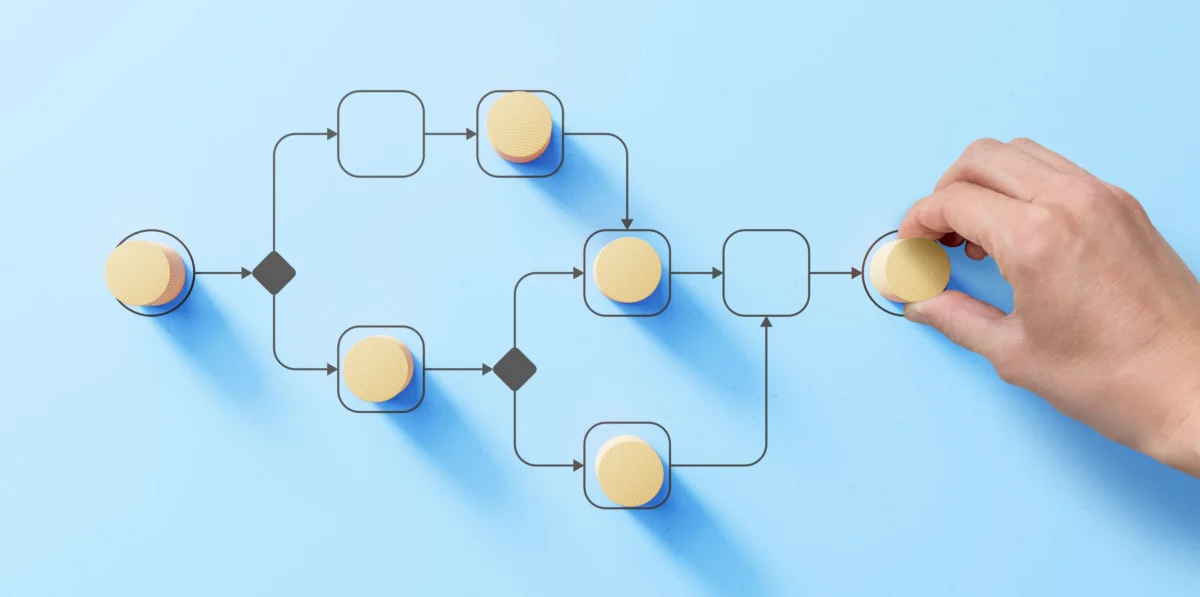
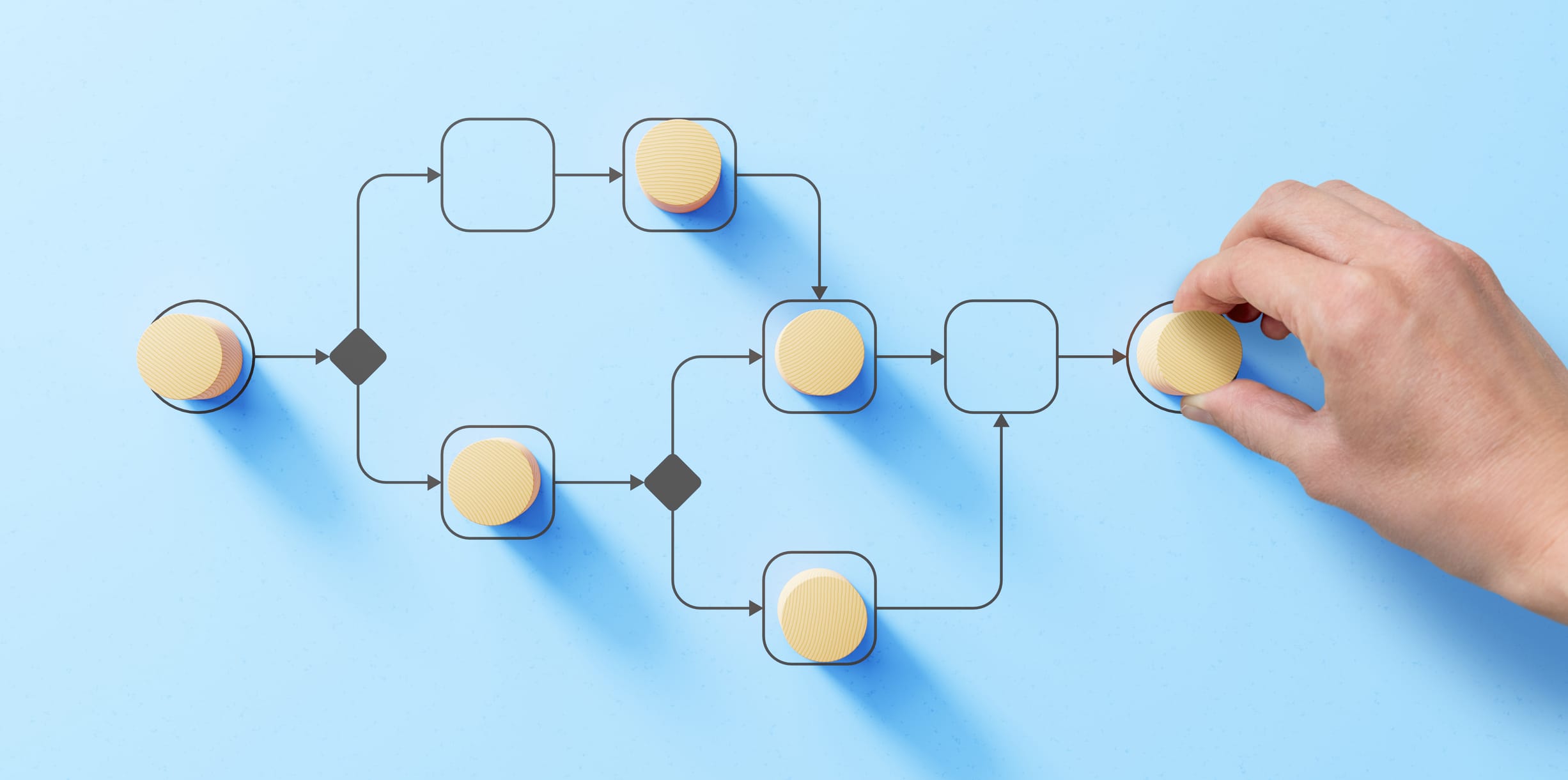
The operational life cycle of a sleep test is a chain of interconnected events. When one link fails, the entire diagnostic process stalls.
- The Intake Phase: This is the most critical juncture. If patient details—mailing addresses, insurance information, and symptom profiles—are not verified with absolute precision at the outset, the entire process is compromised.
- The Education Phase: Once the kit is dispatched, the patient becomes the primary operator. Providing clear, concise, and accessible instructions is the only way to prevent user error.
- The Testing Window: The patient completes the study at home. Reliability here depends on the quality of the support provided by the clinic during the study window.
- The Data Review: Once the device is discarded (in the case of disposables) or the data is uploaded, the clinician reviews the findings to dictate the treatment pathway.
- Therapy Adherence: The final step involves transitioning the patient to effective treatment, whether through CPAP, oral appliances, or lifestyle interventions.
Calculating the True ROI: Beyond the Unit Price
When evaluating the transition to disposables, practices often fixate on the higher per-unit cost compared to the amortized cost of reusable devices. Yet, this "line-item myopia" often obscures the financial reality.
"Many practices report that saving time and money on personnel, reducing lost equipment, and increasing the speed at which patients go through the diagnostic process helps to offset the increased cost," says Sadia Saeed, MD, a medical advisor at the virtual healthcare platform Welzo.
Jonathan Wong, DDS, MS, owner of Renovo Endodontic Studio, emphasizes that the true cost of reusable devices is hidden in the "micro-interruptions" that plague a busy office. "Cleaning and charging, bagging, sensor checks, calling for missing parts, and follow-up can take up to 40 minutes per completed test," Wong explains. "This time is seldom reported on a timesheet because it is spread out between the front desk, the assistants, and the clinician. The savings that truly make this worthwhile are in the interruptions, the charts that stall, and the loose ends between screening and the review of results."
Official Responses and Strategic Perspectives
The industry is currently divided between two distinct schools of thought regarding efficiency.
The Case for "Perfect Intake"
Wong advocates for an intensive, front-loaded intake process. "It’s possible to lose the savings by entering the wrong address," he cautions. He suggests that spending five to seven minutes with the patient to verify every detail—from phone numbers to symptom history—can prevent days of cleanup caused by mis-shipped units or confused patients. By treating the intake process as the "actual test," practices ensure that the logistics of the disposable model function without friction.
The Case for Longitudinal Monitoring
Conversely, some experts argue that the future of sleep diagnostics lies not in single-night disposables, but in longitudinal monitoring. Sahil Chopra, MD, a pulmonologist and co-founder of Empower Sleep, utilizes reusable devices in a long-term paradigm. By using a device like a SleepImage ring, Chopra gathers two weeks of baseline data, providing a more accurate diagnostic picture than a single-night snapshot.
"This approach is particularly effective for trialing oral appliance therapy," says Chopra. "Patients test an inexpensive, over-the-counter ‘boil and bite’ appliance while wearing the longitudinal sensor. If the data shows a positive response, it provides a strong clinical indicator that the patient will benefit from a custom-fabricated appliance."
Supporting Data and Operational Implications
The data-driven shift toward efficiency is supported by the need for better patient engagement. Louis Lerebours, MD, a family medicine physician at Freeman Recovery Center, notes that the convenience of direct-to-patient shipping removes significant barriers to care.
"Many times, the tests are shipped directly to the patients at no additional charge to the practice; therefore, there are fewer logistical challenges with scheduling," says Lerebours. "This efficiency allows a practice to increase its testing capabilities with minimal increases in staffing."
Key Implications for Clinics:
- Workflow Predictability: Disposable tests eliminate the uncertainty of waiting for device returns. Clinics can schedule tests with confidence, knowing they are not beholden to a patient’s speed in returning a borrowed unit.
- Reduced User Error: While disposables are simple, they still require excellent patient education. Clinics should abandon long, complex manufacturer manuals in favor of a "one-page, two-minute" walkthrough.
- Patient-Centric Care: The ultimate goal is not just operational speed, but patient adherence. Whether using a two-week baseline monitor or a one-night disposable, the best model is one that integrates seamlessly into the patient’s home life.
Conclusion: Quality of Care at the Core
The decision to adopt disposable HSTs or shift to a longitudinal monitoring model is ultimately a decision about clinical values. While disposables excel at clearing the administrative bottleneck, longitudinal monitoring provides deeper insights into long-term therapy success.
"The best clinical solution for your practice would be one that provides excellent quality of care to your patients while providing your office with efficient and sustainable ways to operate," says Lerebours.
As sleep medicine continues to evolve, the most successful practices will be those that view their diagnostic workflow not as a static task, but as a dynamic, patient-centered process. By ruthlessly optimizing intake, simplifying education, and choosing the diagnostic hardware that best aligns with their patient population, sleep clinicians can successfully bridge the gap between administrative efficiency and superior clinical outcomes. The era of the "logistics-heavy" sleep clinic is coming to an end, replaced by a smarter, leaner, and more responsive model of care.