For decades, the culinary landscape of American chain restaurants has been defined by the quest for the perfect balance between comfort and excitement. While burgers and pizzas remain the reliable staples of the casual dining sector, there is one dish that has quietly ascended to the top of the "must-have" hierarchy: Cajun chicken pasta.
It is the quintessential fusion dish—a marriage of Italian-inspired noodle techniques and the bold, soulful intensity of Louisiana Creole seasonings. With its ability to be both warming and electrifying, this dish has become a signature offering for some of the most prominent restaurant chains in the country. But what is it about this specific combination of spice, cream, and protein that has captured the collective appetite of diners nationwide?
The Anatomy of a Modern Classic
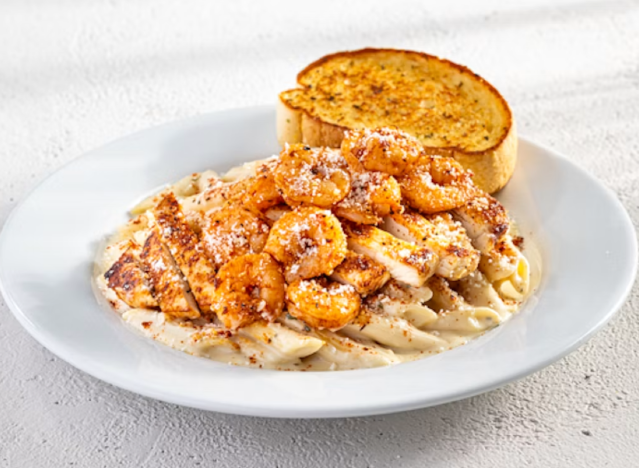
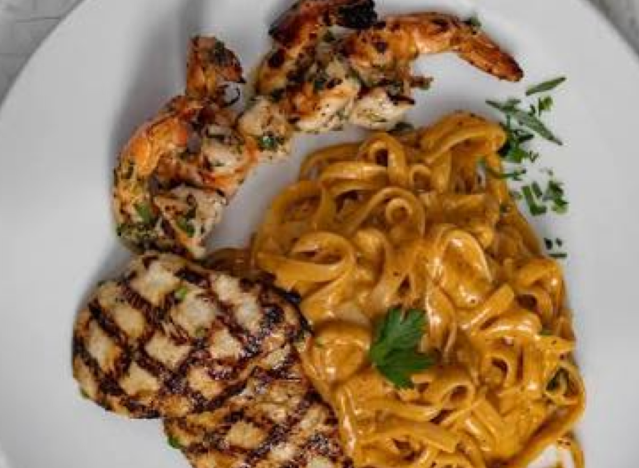
At its core, Cajun chicken pasta is a study in textures and flavor profiles. The dish typically features a protein—most often chicken breast—that has been dredged in or dusted with a complex blend of spices including paprika, cayenne, garlic powder, onion powder, and thyme. This "blackened" or "Creole-rubbed" chicken provides the heat, which is then tempered by a rich, velvety sauce.

Most iterations rely on an Alfredo-style base or a specialized "New Orleans sauce" that incorporates cream, parmesan, and sautéed vegetables like bell peppers, onions, and mushrooms. The result is a dish that is at once indulgent and fiery, offering a "craveability" factor that keeps customers returning to these establishments time and time again.
A Chronology of Culinary Fusion
The rise of Cajun chicken pasta within chain menus did not happen overnight. Its trajectory mirrors the broader American obsession with "Cajun-fication" that began in the 1980s and 90s, when chefs like Paul Prudhomme brought the bold flavors of the bayou into the national consciousness.
- The 1980s (The Foundation): The initial wave of Cajun influence focused heavily on blackened fish and jambalaya. It was during this era that chains began experimenting with spicy pasta dishes as a way to differentiate their menus from standard Italian fare.
- The 1990s (The Expansion): As chains like The Cheesecake Factory expanded, they sought dishes that felt "gourmet" but remained accessible. The Cajun chicken pasta became a menu anchor—a sophisticated-sounding meal that felt indulgent enough for a special night out.
- The 2000s to Present (The Refinement): Today, the dish has become a benchmark for restaurant quality. It is no longer just about heat; it is about the "cajun kick" balanced with high-quality ingredients, such as sun-dried tomatoes, shrimp, or perfectly al dente fettuccine.
The Industry Leaders: Five Chains Defining the Genre
When looking for the definitive version of this dish, five major restaurant chains consistently rise to the top of customer reviews and industry analysis. Each offers a unique take on the classic, proving that there is no single "right" way to craft this spicy favorite.
1. The Cheesecake Factory: The Gold Standard of Consistency
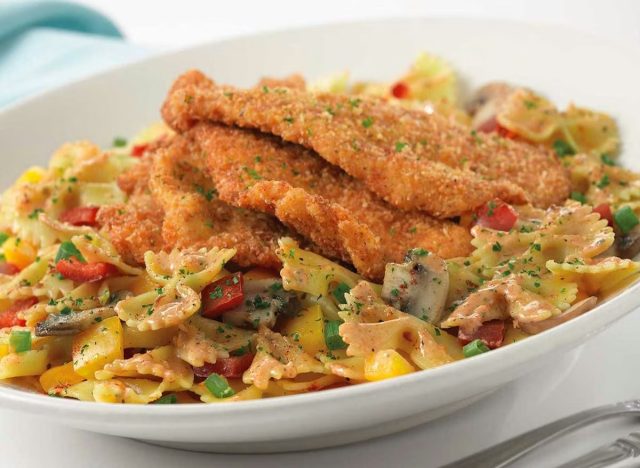
The Louisiana Chicken Pasta at The Cheesecake Factory is perhaps the most famous iteration of the dish. By using parmesan-crusted chicken, they add a layer of crunch that contrasts beautifully with the soft pasta and creamy sauce. Diners consistently praise the sauce for being "spicy but not hot," a testament to the kitchen’s ability to balance heat with a savory, buttery undertone.
2. Miller’s Ale House: The Hearty Favorite
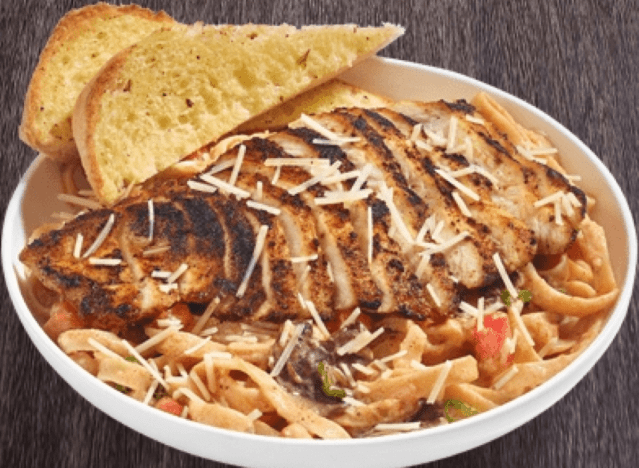
Miller’s Ale House approaches the dish with a focus on volume and robustness. Their version features blackened chicken breast combined with sautéed mushrooms, tomatoes, and scallions. By serving it on thick fettuccine with a side of garlic bread, they have successfully positioned this dish as the ultimate "hearty meal" for those looking for a substantial dining experience that doesn’t compromise on flavor.
3. Chili’s: The Accessible Pivot
Chili’s "Ultimate Cajun Pasta" is a fascinating case study in menu engineering. It manages to deliver the spicy, creamy experience that enthusiasts crave while maintaining enough versatility to accommodate those with lower spice tolerances. Their strategy of allowing diners to request the "spice on the side" has proven to be a masterclass in customer service, ensuring that even the most timid palates can enjoy the rich Alfredo base of the dish.
4. Bossa Nova: The Fusion Specialist
Bossa Nova brings a unique flair to the genre. By incorporating sun-dried tomatoes and offering the option to add grilled blackened salmon alongside the chicken and shrimp, they elevate the dish from standard chain fare to a more upscale, Mediterranean-Cajun hybrid. It serves as a reminder that the Cajun pasta format is a blank canvas for high-quality proteins.
5. Red Lobster: The Seafood Integration
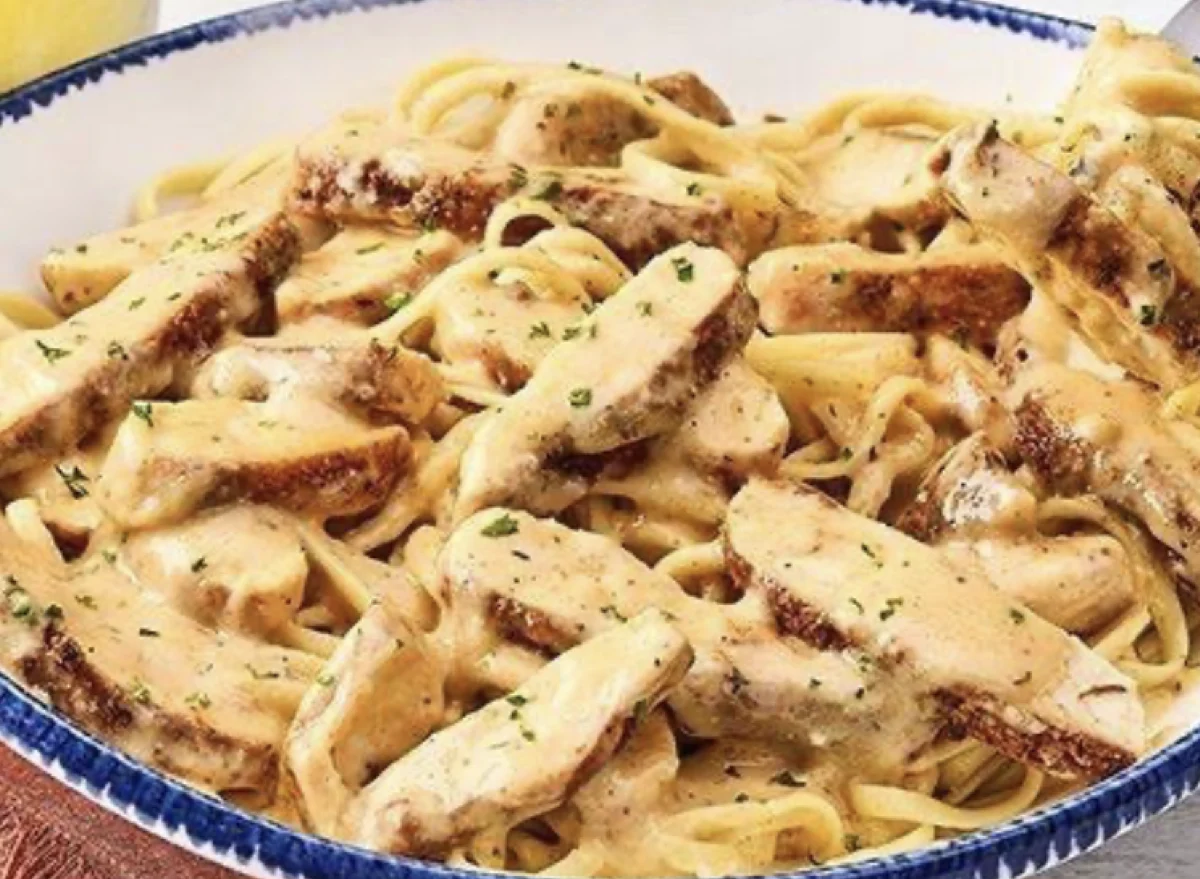
Given their expertise in seafood, Red Lobster’s Cajun Chicken Linguini Alfredo feels like a natural progression of their menu. By plating the chicken slices around the edge of the pasta rather than mixing them in, they allow the diner to appreciate the quality of the sear. The sauce is thick and garlic-forward, leaning into the creamy richness that makes this dish such a powerful comfort food.
Supporting Data: Why Customers Keep Ordering It
Market research within the casual dining sector reveals that "spice" remains a primary driver for menu engagement among Millennials and Gen Z diners. According to recent consumer trends, dishes that offer a "medium-high" heat level are frequently ordered because they provide a sensory experience that standard, mild comfort foods cannot.
Furthermore, the "Cajun" descriptor acts as a flavor signal. When customers see "Cajun" on a menu, they aren’t just expecting spice; they are expecting a specific flavor profile—garlic, onion, and herbal complexity. This predictability makes the dish a "safe" risk. Diners know that even if they are trying a new restaurant, a Cajun chicken pasta is likely to satisfy their craving for something bold.
Official Responses and Culinary Strategy
When asked about the popularity of these dishes, restaurant operations managers often point to the "cross-utilization" of ingredients. Most of the components in a Cajun chicken pasta—Alfredo sauce, chicken breast, pasta, and Cajun seasoning—are already staples in the restaurant’s kitchen. This allows chains to offer a high-quality dish without the need for an overly complex supply chain.
For example, the shift toward "blackened" preparations allows kitchens to utilize high-heat cooking techniques that create a premium, "chef-made" appearance. As one industry expert noted, "The beauty of the Cajun pasta is that it feels like a restaurant-only experience. It’s difficult to get the sauce-to-pasta ratio and the spice-to-cream balance exactly right at home, which keeps the restaurant version in high demand."
Implications for the Future of Chain Dining
The enduring success of the Cajun chicken pasta suggests that the future of chain dining is not necessarily in novelty, but in the perfection of the familiar. As the industry moves forward, we can expect to see:
- Customization Trends: As seen at Chili’s, the ability to control spice levels will become standard. Chains that offer modular spice additions will likely see higher customer satisfaction.
- Ingredient Transparency: With consumers becoming more health-conscious, there will be increased demand for better proteins, such as antibiotic-free chicken and fresh, locally sourced vegetables within these pasta dishes.
- Global Fusion: We are already seeing hints of global fusion, where Cajun spices are being paired with Asian-style noodles or Latin American-inspired sauces. The "Cajun" profile is proving to be a highly adaptable foundation for global culinary experimentation.
Conclusion
Cajun chicken pasta is more than just a menu item; it is a cultural phenomenon that bridges the gap between the adventurous and the comfort-seeking. Whether you are enjoying a creamy bowl at The Cheesecake Factory or a hearty portion at Miller’s Ale House, the experience remains the same: a perfect bite of crispy chicken, flavorful heat, and velvety sauce.
As restaurants continue to evolve, one thing is certain: the appetite for this spicy, creamy, and deeply satisfying dish shows no sign of waning. It remains the gold standard of the chain dining experience—a dish that refuses to be ignored, one bite at a time.