








As public health officials across the United States scramble to contain the latest multi-state outbreak of cyclosporiasis—a parasitic infection characterized by debilitating, "explosive" diarrhea—the incident has served as a stark reminder of a biological threat that often lurks in the shadows of the American food supply. While bacteria like Salmonella and viruses like Norovirus dominate the headlines regarding foodborne illness, a diverse array of parasites—ranging from microscopic protozoa to multi-centimeter-long worms—remains a persistent, albeit less discussed, health challenge.
For the average consumer, the distinction between a bacterial infection and a parasitic one may seem academic. However, for medical professionals and epidemiologists, the differences are profound, dictating everything from diagnostic protocols to long-term clinical outcomes.
Understanding the Parasitic Landscape
Protozoa vs. Helminths: The Two Primary Threats
Foodborne parasites are generally categorized into two distinct biological groups: protozoa and helminths (worms).
Protozoa, such as Cyclospora cayetanensis, Cryptosporidium spp., Giardia intestinalis, and Toxoplasma gondii, are single-celled organisms. According to Dr. David Freedman, professor emeritus of infectious diseases at the University of Alabama at Birmingham and spokesperson for the Infectious Diseases Society of America, protozoa are the primary drivers of acute gastrointestinal distress. "Protozoa will cause much more severe diarrhea," Freedman explains. Their ability to rapidly multiply within the intestinal lining leads to the acute, watery symptoms that often drive patients to emergency departments.
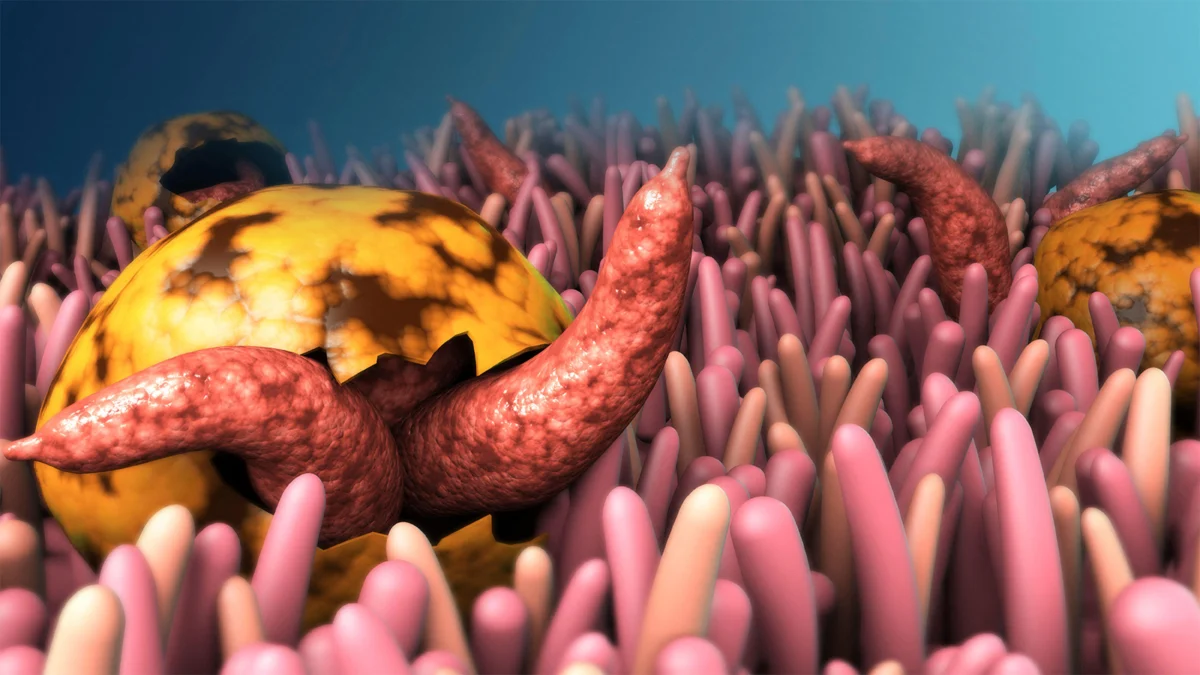
Helminths, or worms, present a different set of challenges. This category includes roundworms (Trichinella and Anisakis species) and tapeworms (Diphyllobothrium and Taenia species). Unlike protozoa, which generally remain within the gastrointestinal tract, worms are physically larger and more invasive. "Worms can do other things because they can escape from the intestinal tract and end up in the liver, or start blocking movements of fluids just because they’re so physically big," says Freedman. The clinical manifestation of a helminth infection is highly variable, ranging from mild abdominal pain and cough to systemic issues like malnutrition, weight loss, and, in severe cases, neurological impairment.
The Anatomy of an Outbreak: A Chronology of Risk
The current attention on Cyclospora is part of a recurring cycle of food safety events. Cyclospora is typically contracted through the consumption of fresh produce that has been contaminated by water or soil harboring the parasite’s oocysts.
The Life Cycle of Infection
- Ingestion: The parasite is consumed via contaminated food or water.
- Incubation: Depending on the organism, symptoms may take days or even weeks to appear, making it notoriously difficult for patients to pinpoint the exact meal that caused the illness.
- Clinical Presentation: Patients often present with acute gastrointestinal symptoms. Because these symptoms mimic other common ailments, diagnosis is often delayed.
- Public Health Intervention: Once multiple cases are identified, the CDC and state health departments initiate "trace-back" investigations, attempting to link disparate illnesses to a single food source or distribution chain.
The complexity of these investigations is high. As Dr. Sean Murphy, chief of pathology and laboratory medicine at Seattle Children’s Hospital, notes, investigators are often "trying to find two grains of sand on a whole football field."
Supporting Data: Risks in the Food Chain
The risk of parasitic infection is inextricably linked to the modern food supply chain, processing methods, and individual consumption habits.
Meat and Marine Hazards
Tapeworms like Taenia solium (the pork tapeworm) and Taenia saginata (the beef tapeworm) are classic examples of parasites transmitted through undercooked meat. While many infections are asymptomatic, T. solium poses a unique, severe threat. If the larvae are ingested, they can migrate to the central nervous system, leading to neurocysticercosis—a condition that can cause seizures and chronic neurological deficits.
Dr. Joel Barratt, a molecular parasitologist at Emory School of Medicine, emphasizes the severity of this migration: "You can end up with neurocysticercosis, where the worms basically travel around your body and end up in your brain." This phenomenon recently entered the public consciousness when political figures discussed medical findings of worm-related damage, highlighting that no demographic is entirely exempt from these risks.
The Sushi and Wild Game Factor
Fish-borne parasites, particularly Anisakis, have become more relevant as the popularity of sushi and ceviche has grown in the U.S. Dr. Murphy explains that commercial freezing is a critical safety barrier. "The risk factors for [Anisakis] are eating sushi or ceviche," he notes. "In fact, commercial freezing of fish is a great safety factor in preventing some of these worms from having more impact."
Similarly, Trichinella persists in the context of wild game. Hunters who process their own meat bypass the rigorous inspection standards of the USDA. If this meat is undercooked, it can introduce parasitic larvae into the human host—a practice that was significantly more common a century ago but remains a niche risk today.
Official Responses and Clinical Challenges
When a patient arrives at an emergency department (ED) with severe diarrhea, the clinical team faces an immediate hurdle: the lack of rapid, point-of-care testing for most parasites.
The "Tip of the Spear"
Dr. Arjun Venkatesh, chair of emergency medicine at Yale School of Medicine, describes the ED as the "tip of the spear" for public health surveillance. Because there is no "rapid test" for the majority of these organisms, physicians rely on detailed patient histories, travel records, and current epidemiological data provided by the CDC.
"It matters because some parasites are treated," says Dr. Venkatesh. For instance, the current Cyclospora outbreak responds to the antibiotic trimethoprim-sulfamethoxazole. While most healthy individuals will recover on their own, for the "very young, the very old, and the immunocompromised," medical intervention is not just helpful—it is life-saving.
The Success of Toxoplasma gondii
Perhaps the most pervasive parasite is T. gondii. Dr. Barratt labels it "possibly the most successful parasite on the planet." While often asymptomatic in healthy adults, it presents a significant risk to pregnant individuals, as it can cause severe birth defects. Exposure often occurs through contaminated soil, cat feces, or undercooked shellfish and meat. The ubiquity of T. gondii serves as a reminder that parasitic risk is not limited to exotic foods, but exists in the soil of our own backyards.
Implications for Public Health and Prevention
The current Cyclospora outbreak underscores the fragility of the food supply and the necessity of the public health infrastructure. Despite the challenges, experts agree that the U.S. food safety network—comprising state labs, the CDC, and USDA oversight—is among the most robust in the world.
Protecting the Consumer
The consensus among experts for individual protection is twofold: hygiene and awareness.
- Handwashing: The most effective defense against the fecal-oral route of transmission.
- Cooking Temperatures: Heat is the ultimate equalizer; thorough cooking kills the vast majority of parasitic larvae and cysts.
- Vigilance: Consumers should monitor public health advisories regarding food recalls. If a specific produce item is linked to an outbreak, it should be discarded immediately.
- Rational Risk Assessment: While eating raw or undercooked foods (like steak tartare or sushi) increases the risk of exposure, the danger can be mitigated by sourcing food from reputable suppliers that adhere to strict safety standards and freezing protocols.
The Future of Surveillance
As we look to the future, the integration of molecular diagnostics into routine clinical care may eventually shorten the time between symptom onset and diagnosis. However, until such technology becomes ubiquitous, the strength of the public health system—the "coordinated network" mentioned by Dr. Murphy—remains the primary shield for the American population.
The "explosive" nature of current outbreaks may be alarming, but it also serves as a catalyst for ongoing vigilance. By supporting public health surveillance and maintaining high standards for food preparation and inspection, the medical community and the public can continue to navigate the hidden risks of the parasitic world, ensuring that the food on our tables remains a source of sustenance rather than a vector for disease.