In the world of biotechnology, few areas have been as historically overlooked as the treatment of hair loss. Often relegated to the realm of "cosmetic" concerns rather than medical necessity, the industry has relied for decades on two legacy products—Rogaine and Propecia—both of which were discovered by chance as side effects of medications intended for blood pressure and prostate health, respectively.
However, a paradigm shift is underway. Veradermics, a biotech firm that went public just last year, is rapidly positioning itself as the leader in a new generation of hair restoration therapies. Following stellar Phase 2 clinical trial data, the company is inching closer to what could be the first FDA-approved oral pill specifically indicated for female pattern hair loss.
Main Facts: A Landmark Success
The recent announcement of Phase 2 trial results for Veradermics’ oral minoxidil candidate has sent shockwaves through the investment community and the medical field alike. The data demonstrated a level of efficacy that exceeded analyst projections, providing a robust foundation for the company’s ongoing Phase 3 development program.
Following the data release, Veradermics’ shares surged, climbing to a record high of nearly $130 per share. While the stock settled slightly to around $116 in subsequent trading, the market capitalization reflects a profound confidence in the company’s ability to capture a significant share of the multi-billion-dollar hair loss market.
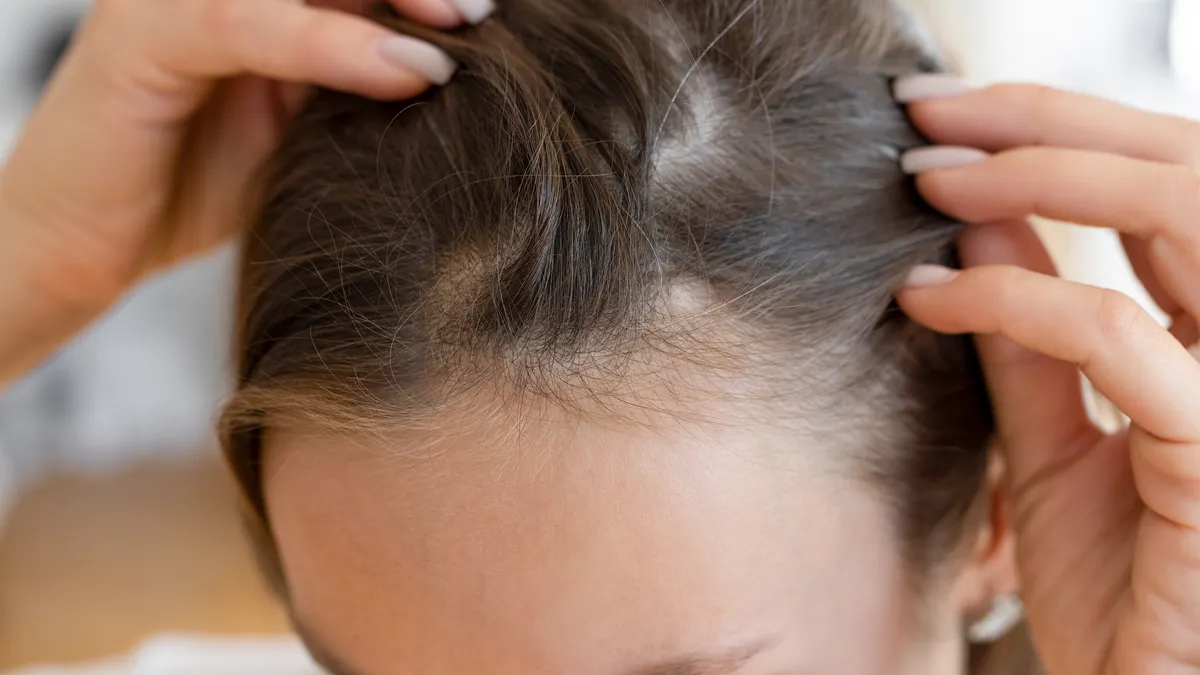
The trial results are particularly significant for women. While male pattern baldness has seen a variety of interventions, women suffering from hair loss—estimated to affect 30 million individuals in the United States alone—have long faced a dearth of effective, non-invasive, and FDA-approved medical options.
Chronology: From IPO to Clinical Milestone
Veradermics’ rise has been meteoric. The company’s journey from a niche biotech player to a market darling is marked by a series of strategic milestones:
- February 2024: Veradermics completes its initial public offering (IPO), pricing 15 million shares at $17 each.
- April 2025: The company releases successful study results regarding its oral minoxidil treatment for male pattern baldness, establishing proof-of-concept for its drug delivery platform.
- November 2025: Veradermics releases Phase 2 clinical data for female pattern hair loss, showing efficacy rates that far surpassed the 15-to-20 hair-per-square-centimeter increase investors had anticipated.
- Late 2025/Early 2026: The company gears up for its second Phase 3 trial readout for men, a critical hurdle for eventual regulatory submission.
- First Half 2027: Anticipated readout for the Phase 2/3 study in women, which will serve as the primary evidence for potential FDA approval.
Supporting Data: Why Analysts Are Bullish
The financial community’s reaction to Veradermics has been fueled by the sheer potential of the addressable market. Cantor analyst Prakhar Agrawal, in a recent note to clients, revised his 2033 sales estimate for the product to $2.1 billion. This is a substantial increase from his previous forecast of $1.8 billion.
The shift in the forecast is rooted in the demographic breakdown of the potential patient base. Agrawal estimates that women will eventually account for 40% of the total revenue generated by the drug. This is a departure from historical norms, where hair loss marketing and R&D were almost exclusively focused on the male experience.
The clinical data, which showed a notable lack of serious adverse side effects, has further bolstered investor confidence. By refining the delivery of minoxidil—a drug already well-known but traditionally used in topical applications that are often messy and difficult to maintain—Veradermics is providing a user-friendly, consistent, and scientifically validated alternative.
Official Responses: Addressing the Psychological Toll
During a recent conference call with investors, Veradermics CEO Reid Waldman emphasized that the development of this drug is about more than just aesthetics; it is about restoring the fundamental sense of self for millions of women.
"For women, losing hair can feel like losing your identity," Waldman stated. "This transcends being aesthetic. It’s deeply personal, it’s deeply psychological, and it’s essentially universal."
The company’s focus on the psychological impact of hair loss has resonated with patient advocacy groups. By framing hair loss as a legitimate medical condition requiring targeted therapeutic intervention, Veradermics is helping to destigmatize the issue. The company argues that the previous market failure to provide a high-quality, oral treatment for women was a failure of the industry to acknowledge the severity of the condition’s impact on quality of life.
The Competitive Landscape: A Wave of Innovation
Veradermics is not operating in a vacuum. Its success is part of a broader, long-overdue "gold rush" in hair loss research. For decades, the pharmaceutical industry treated the condition as an afterthought. Now, a wave of startups and venture-backed firms are applying cutting-edge science to the problem.
Pelage Pharmaceuticals and Stem Cell Activation
Among the competitors is Pelage Pharmaceuticals, a firm backed by heavyweights like GV and Arch Venture Partners. Rather than repurposing existing blood pressure or prostate drugs, Pelage is developing a topical gel designed to activate dormant hair follicle stem cells. This approach aims to address the root cause of follicle senescence rather than merely stimulating existing hair.

AI-Driven Discovery at Absci
Perhaps the most futuristic approach comes from Absci, an AI-driven drug discovery company that counts Eli Lilly among its investors. Absci is using its artificial intelligence platform to identify antibodies that may spur hair growth. By analyzing massive datasets of biological interactions, Absci hopes to "engineer" a cure that is more effective and targeted than any previous chemical intervention.
Implications: The Future of Hair Restoration
The implications of Veradermics’ success are far-reaching. If the company secures FDA approval for its oral minoxidil treatment, it will validate a new business model for dermatological conditions: repurposing known, safe compounds with optimized delivery mechanisms while simultaneously building the case for a neglected demographic.
However, challenges remain. The company must successfully navigate the complex regulatory pathway of Phase 3 trials and prove that the drug’s performance is consistent across diverse populations. Furthermore, as generic versions of older treatments like Rogaine remain cheap and accessible, Veradermics must clearly communicate the clinical superiority of its product to both insurers and patients.
The broader biotech sector is watching closely. If Veradermics can successfully commercialize a pill for female pattern hair loss, it will likely trigger a massive influx of capital into the space. We are moving toward an era where hair loss is treated not with "accidentally discovered" off-label drugs, but with precision medicine developed specifically for the scalp.
For millions of women who have long been told that hair loss is simply an inevitable part of aging, the work being done at Veradermics offers a rare, science-backed promise of restoration. As the company marches toward 2027, the medical community will be waiting to see if these clinical gains translate into a permanent, safe, and effective solution for one of the most common, yet deeply personal, health issues in the world today.